
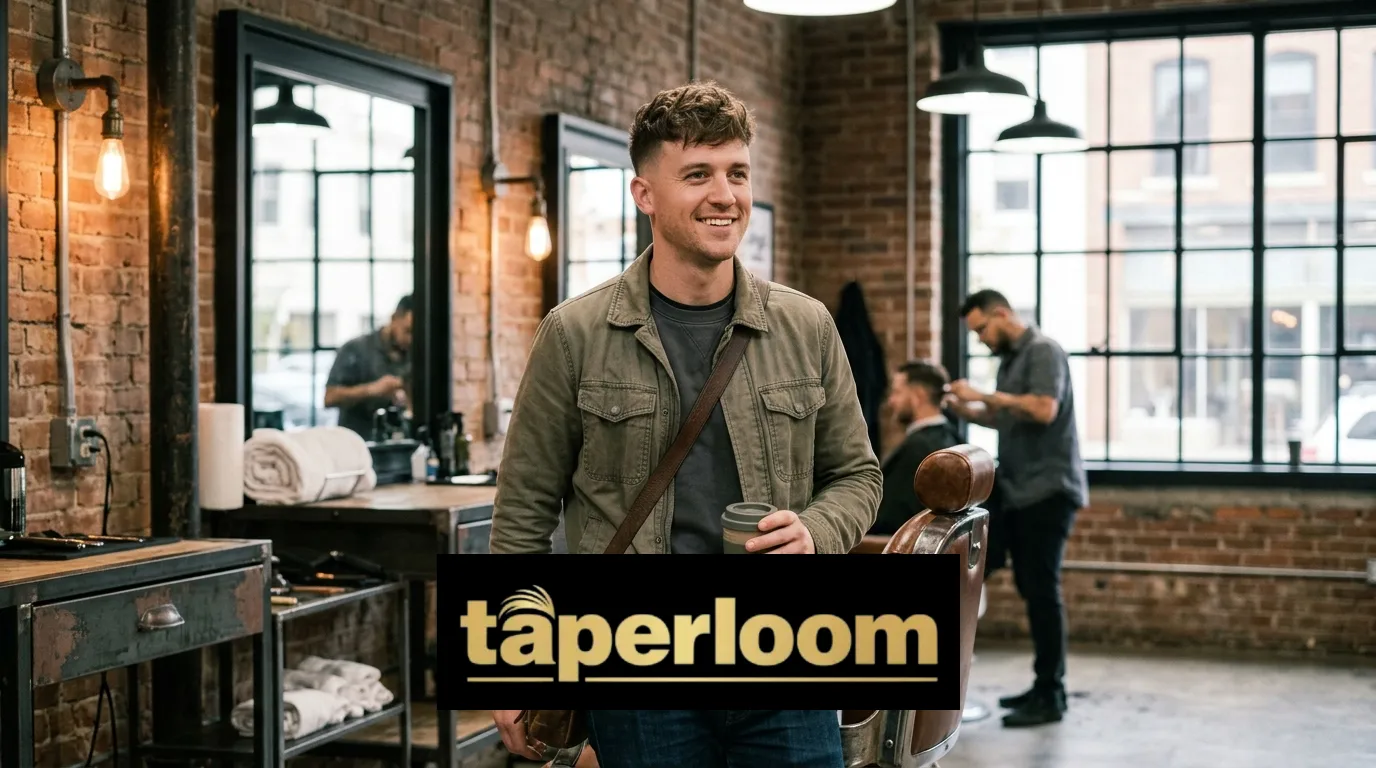
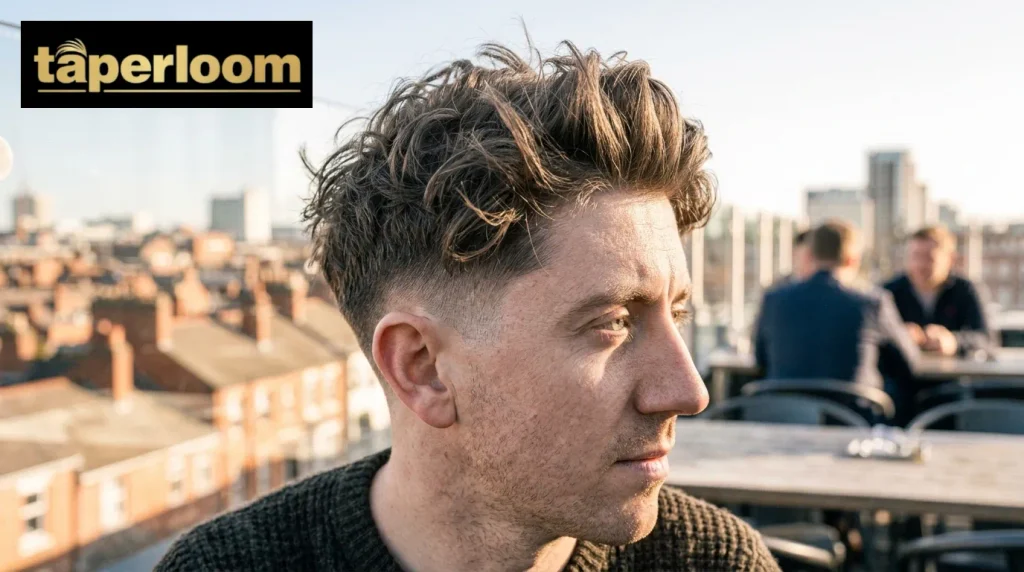
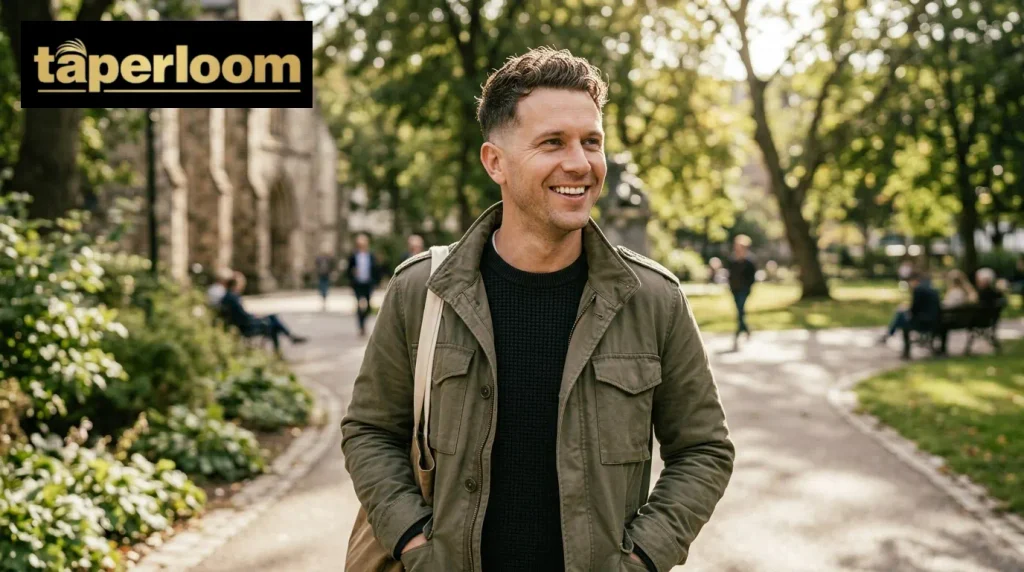
A Low Taper Fade with Trending Textured Crop pairs a low-sitting fade one that starts its blend near the ears and neckline instead of higher up with a choppy, layered top cut using point-cut or razored layers.
The result is a clean, polished side profile with a piecey, natural-looking top that works on straight, wavy, curly, and thick hair alike. It’s low-maintenance, suits most face shapes, and holds its shape well between barber visits.
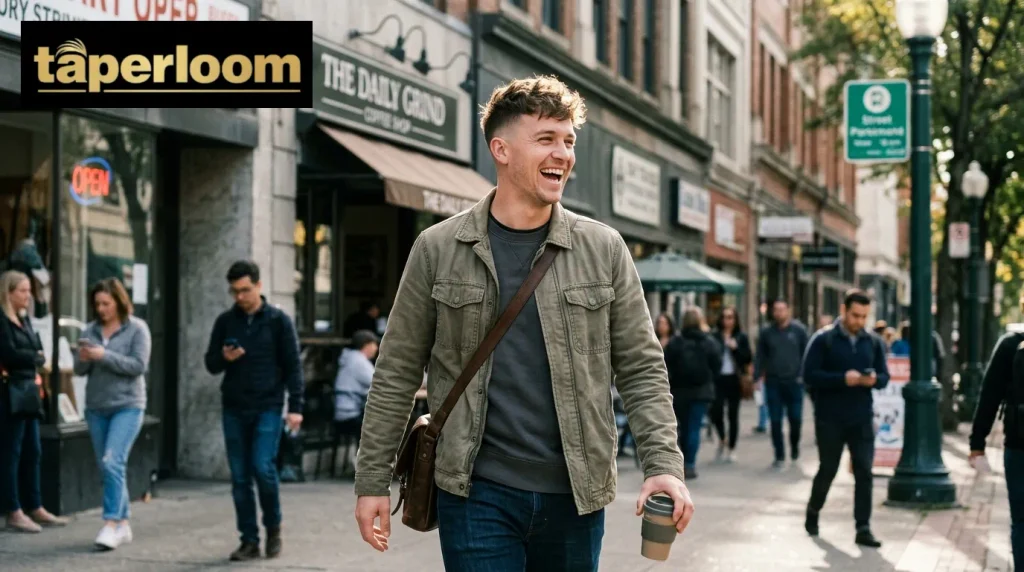
What Is a Low Taper Fade with Trending Textured Crop?
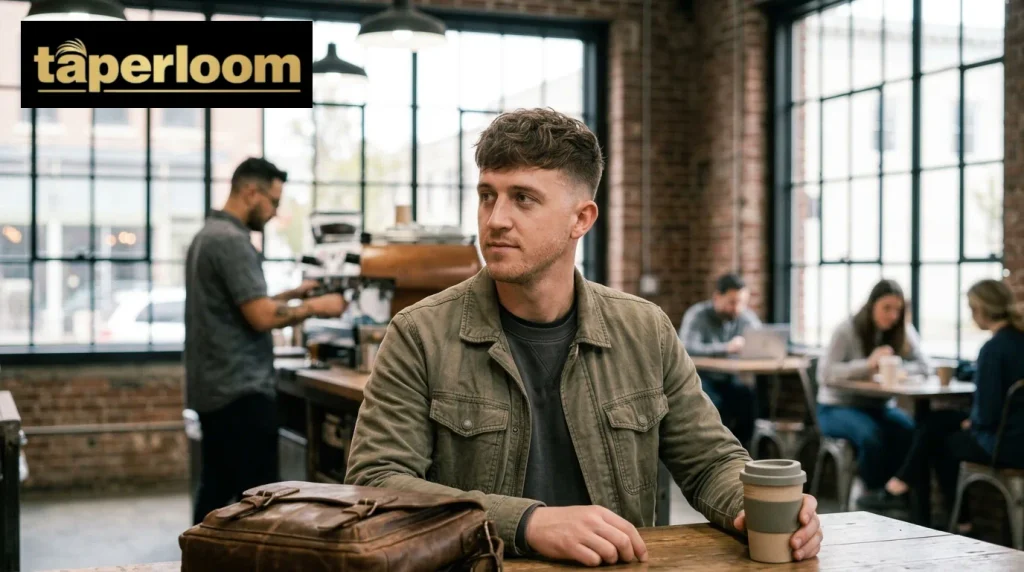
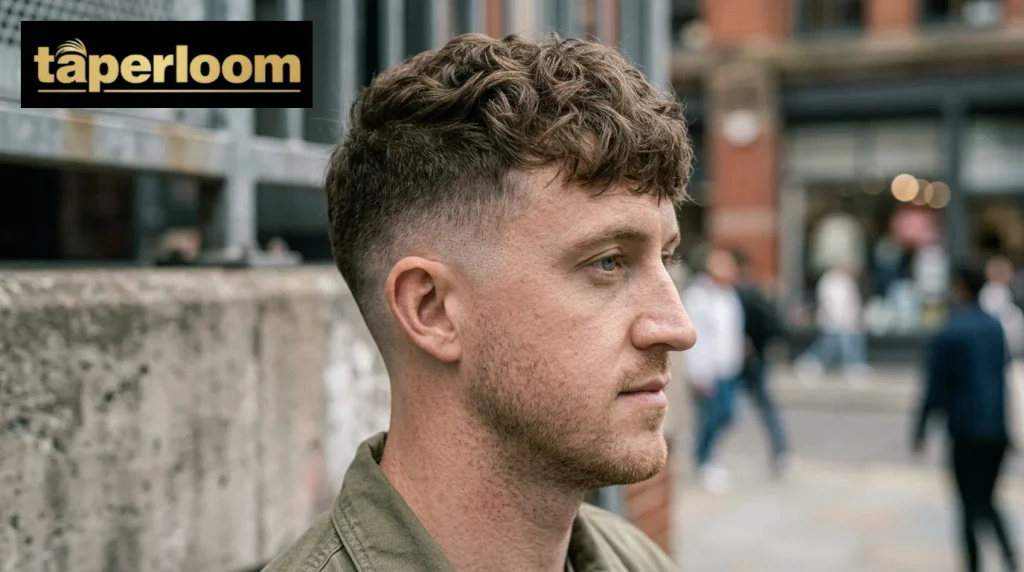
A low taper fade with textured crop pairs two elements: a low-sitting fade on the sides and back that starts its blend right around the ears and neckline, and a choppy, piecey top created with point-cut or razored layers.
It’s subtle from a distance you might not even clock it as a “fade” but the layered top adds a forward-swept fringe that sits between the eyebrows and mid-forehead, giving the cut its “cropped” identity.
If you want to lean further into that fringe detail specifically, our low taper fade fringe haircuts guide breaks down 27 variations.
That combination is why it’s one of the most requested cuts right now sharp and put-together on the sides, relaxed and textured on top, without forcing you to choose between “professional” and “casual.”
It also works across nearly every hair type. Straight hair gets structured piecey definition through point-cutting, wavy hair barely needs product, curly hair and thick hair get volume control without losing natural texture, and thin or fine hair gets the appearance of density through lighter layering.
For a broader look at where this style sits within the low taper fade family, check out our full low taper fade designs guide.
Low Taper vs Mid vs High vs Skin Fade
The height at which a fade starts changes the entire character of the haircut, even with the same textured crop on top. Here’s how they compare:
- Low taper fade — Blend starts near the ears and neckline. Subtle, understated, and the most office-friendly option. Best for guys who want the fade to be felt more than seen.
- Mid taper fade — Blend starts around the middle of the sides, roughly temple height. More visible contrast between the top and sides, still versatile enough for work or casual settings.
- High taper fade — Blend starts high on the sides, closer to the crown. Bold, high-contrast look that puts more emphasis on the textured top.
- Skin fade — Not a height category but a finish — the sides fade all the way down to bare skin at the shortest point. Can be combined with a low, mid, or high starting point for extra sharpness.
If you’re unsure which height suits you, a low taper fade is the safer starting point since it grows out more gracefully and needs fewer touch-ups to stay sharp.
Best Style by Face Shape
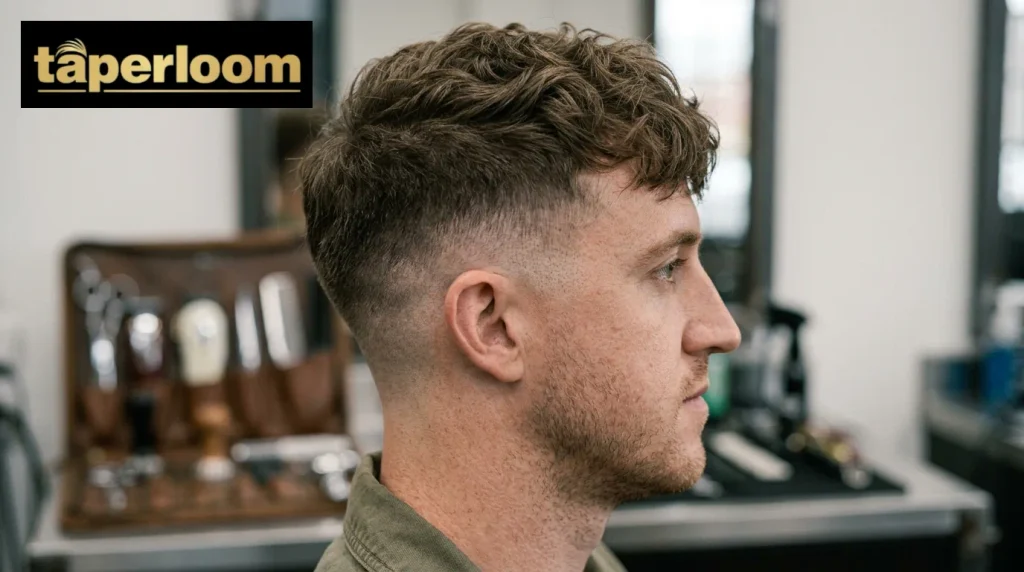
The fade height stays low across all face shapes, but the fringe length and top volume should shift depending on your face shape:
Oval faces — The most flexible shape. Nearly any fringe length or top volume works, so this is where you have the most room to experiment.
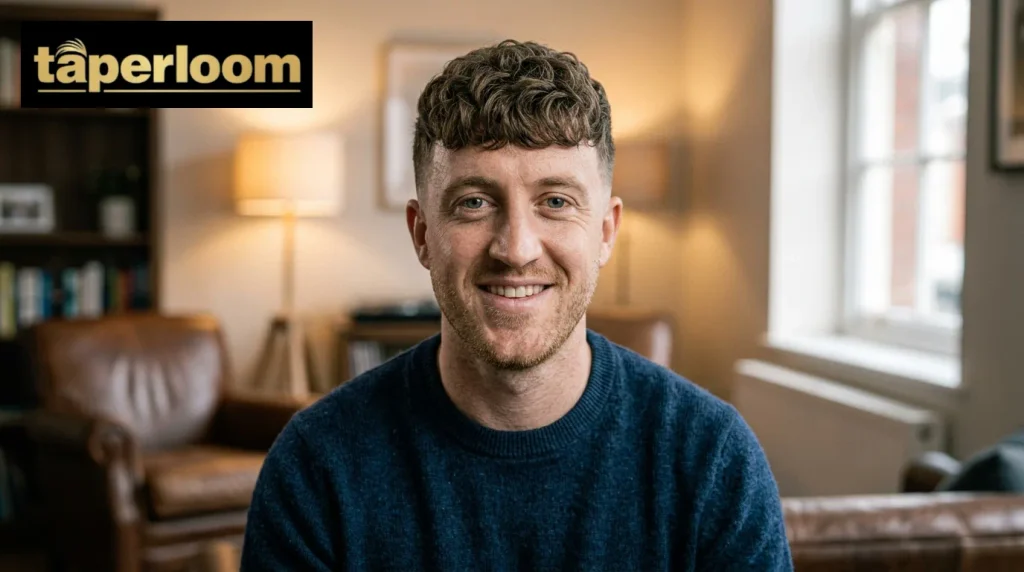
Round faces — Go for more height and volume on top with a shorter, angled fringe. This adds visual length and avoids emphasizing width.
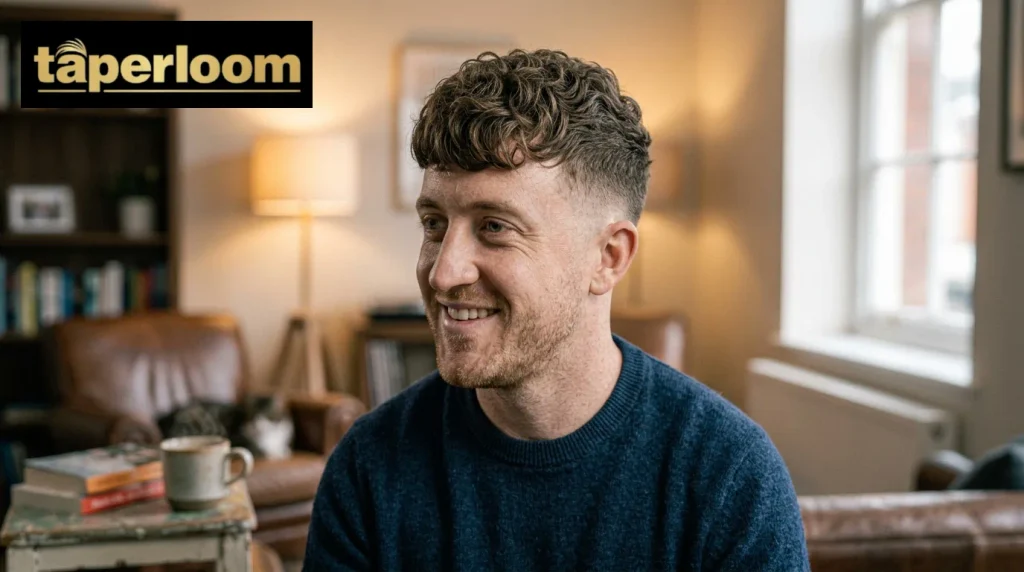
Square faces — A soft, textured fringe with rounded edges balances a strong jawline. Avoid overly blunt, straight-across fringes, which can sharpen angles further.
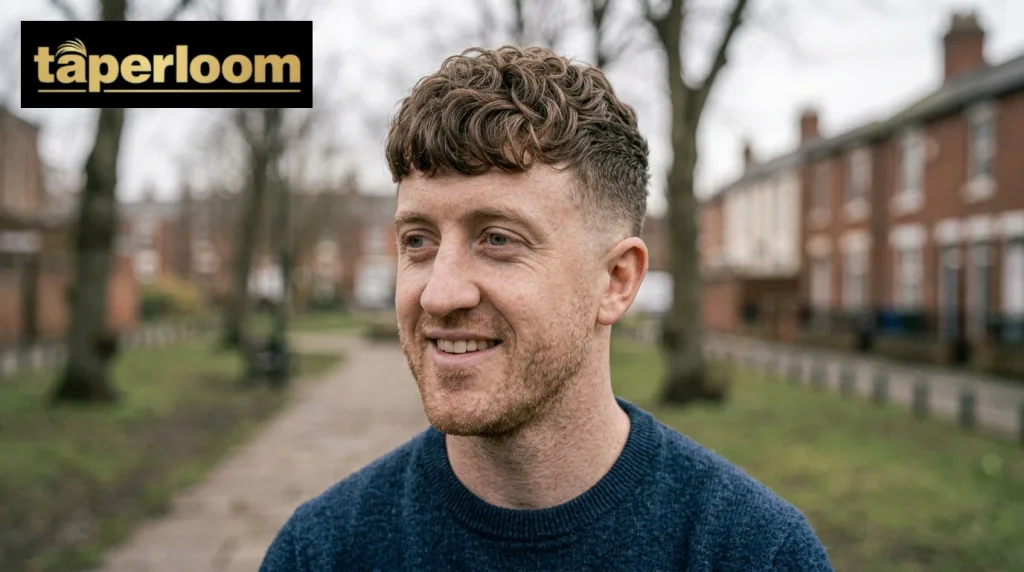
Heart-shaped faces — Keep more length and texture through the fringe to balance a narrower chin against a wider forehead.
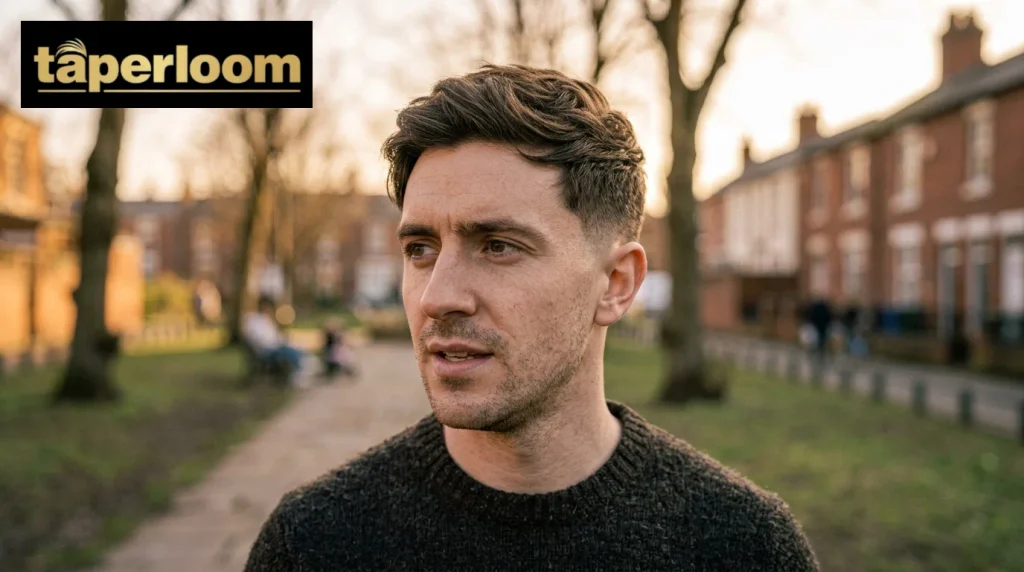
Diamond faces — Side-swept texture with moderate volume softens prominent cheekbones without adding unnecessary width.
30 Best Styles (by Hair Type)
Below are the top variations grouped by hair type and finish, so you can pick a direction before your appointment.
Straight Hair
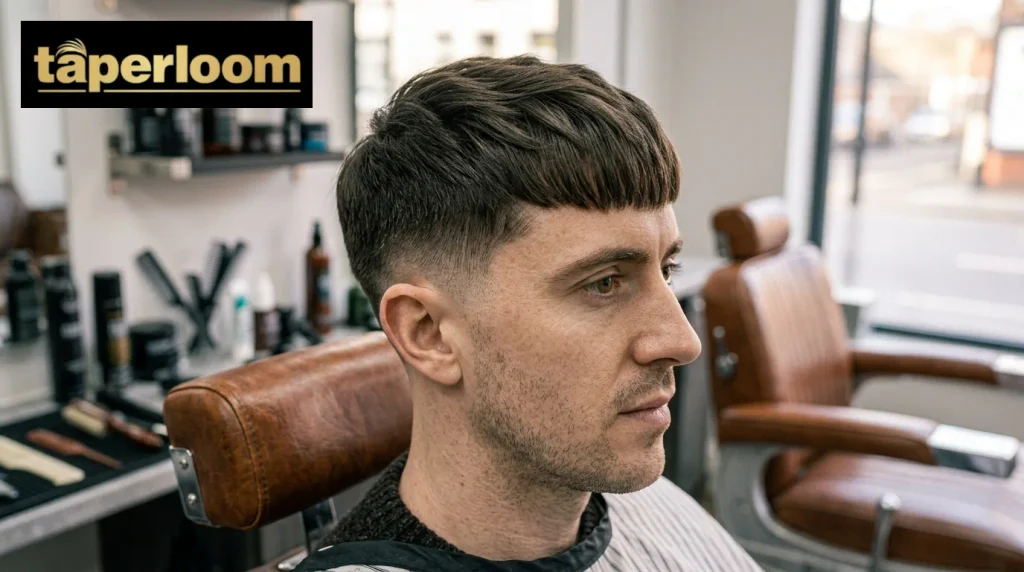
1. Classic forward fringe with point-cut layers
2. Side-parted crop with a soft low fade
3. Textured quiff with a low taper underneath
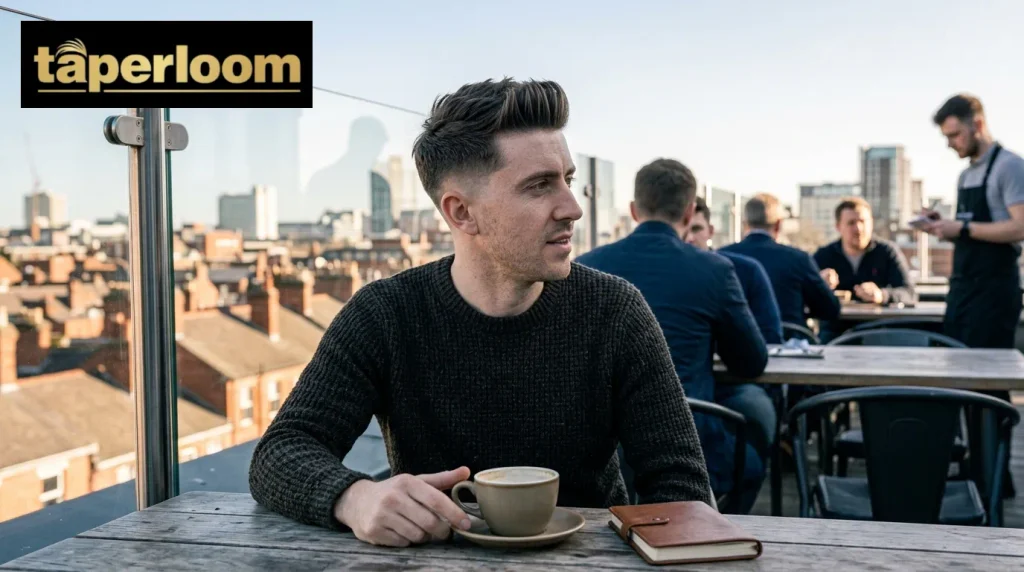
4. Choppy blunt fringe, matte finish
5. Slicked-back crop for a dressier look
Wavy Hair
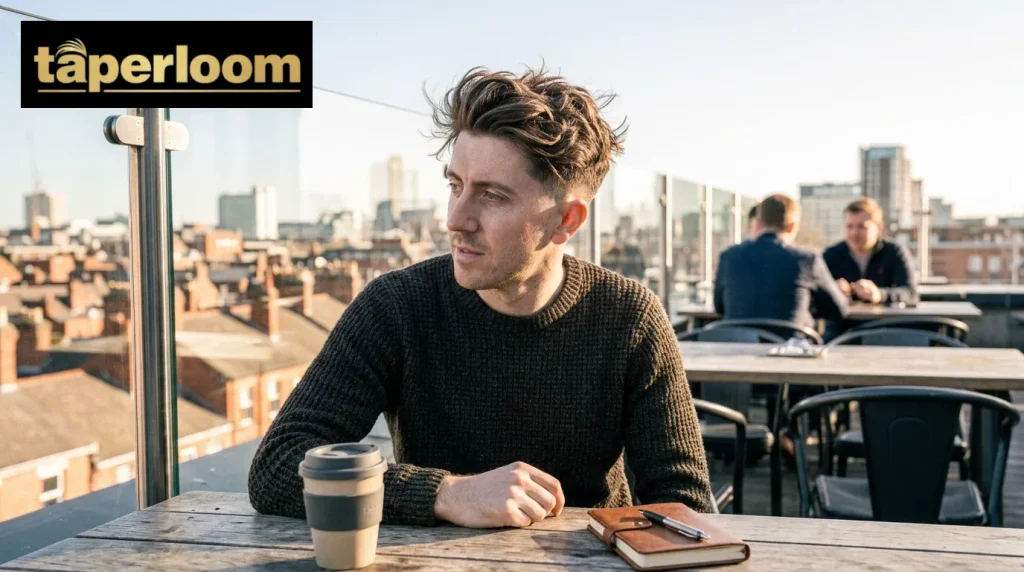
1. Natural wave left loose on top with minimal product
2. Textured crop with a slight side sweep
3. Messy fringe that follows the wave pattern
4. Low-volume crop for finer, wavy strands
5. Piecey top with a defined low fade line
Curly Hair
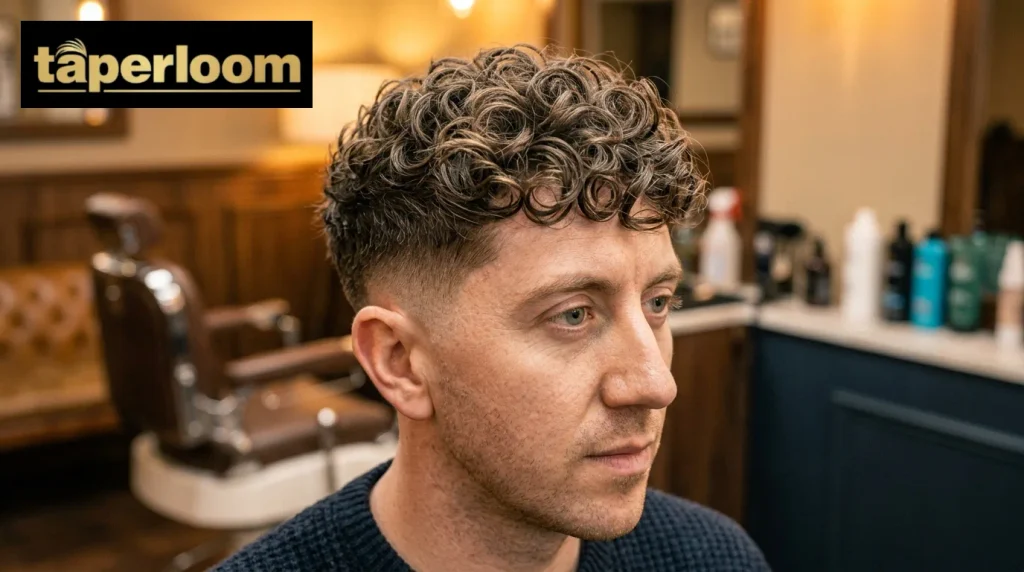
1. Curl-forward crop with tapered perimeter only
2. Loose curl top with a low fade for contrast
3. Defined curl clusters with light hold cream
4. Voluminous curly crop, sides kept subtle
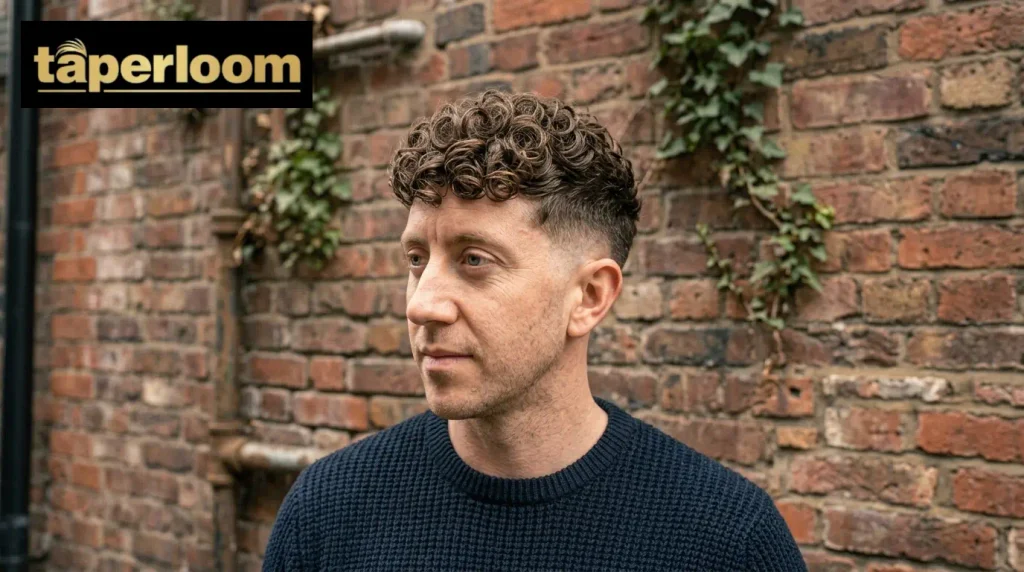
5. Twist-out style paired with a clean low fade
Thick Hair
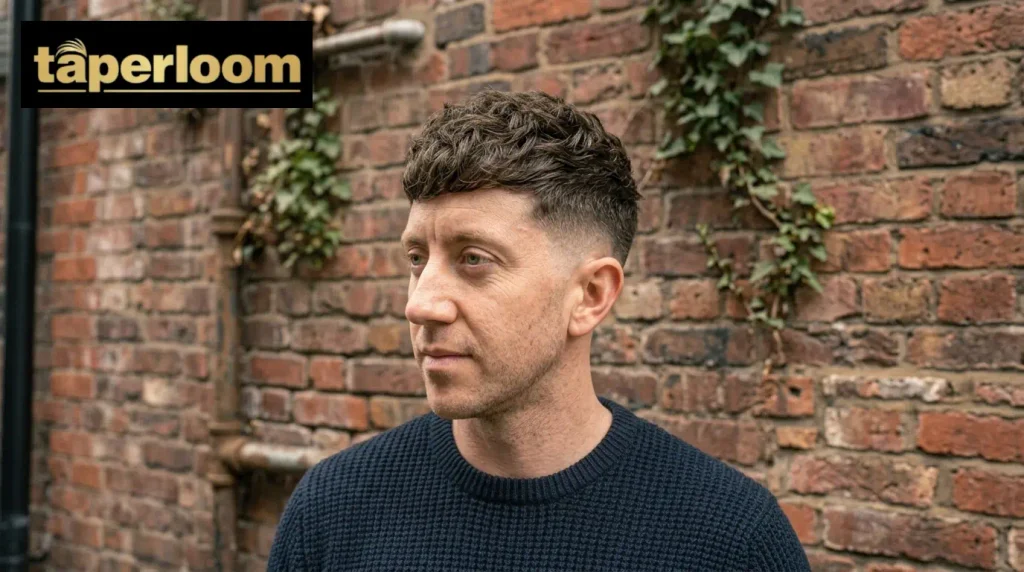
1. Heavily layered crop to remove bulk
2. Textured crop with a blowout taper for extra volume on top
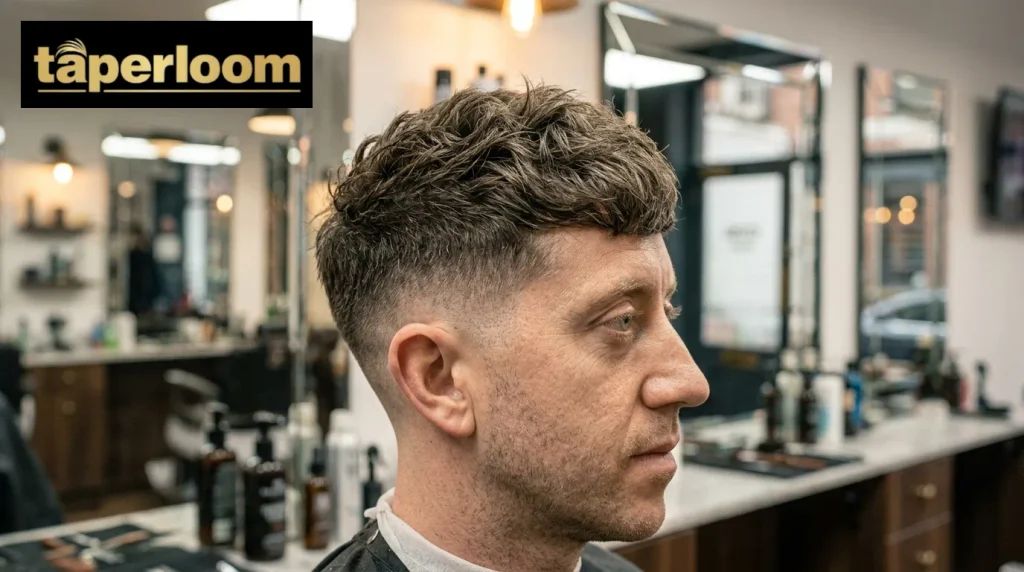
3. Low-maintenance short crop, thinned throughout
4. Structured fringe with weight removed at the crown
5. Piecey texture using a texturizing spray
Thin or Fine Hair
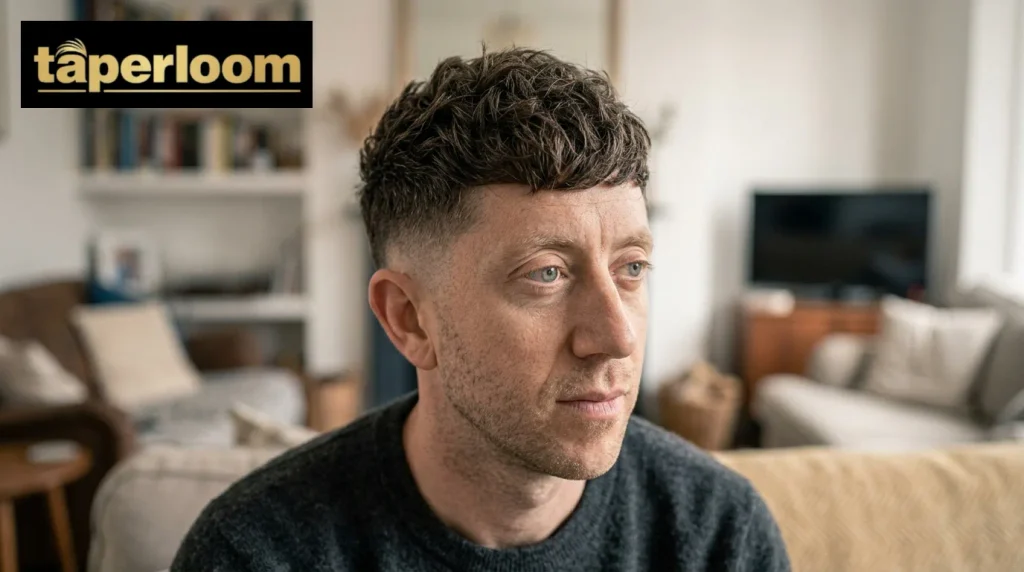
1. Lightly layered crop to fake density
2. Short crop with minimal fringe length
3. Textured top styled forward for volume illusion
4. Matte finish crop, avoiding heavy, flattening products
5. Cropped fringe with subtle root lift
Special Variations
Low taper fade mullet for a longer-on-top, retro-modern twist
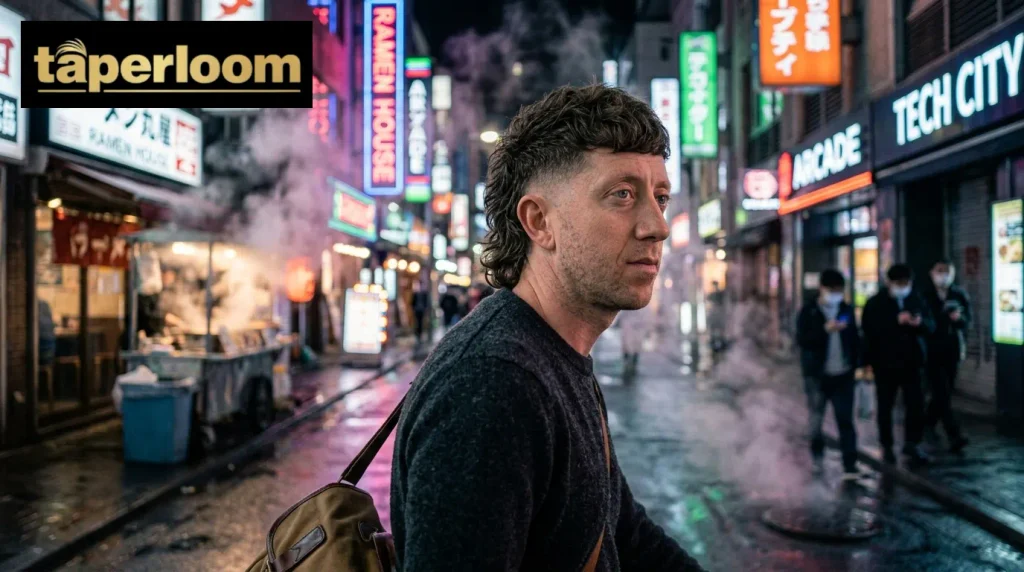
Low taper fade buzz cut for the lowest-maintenance version of this look
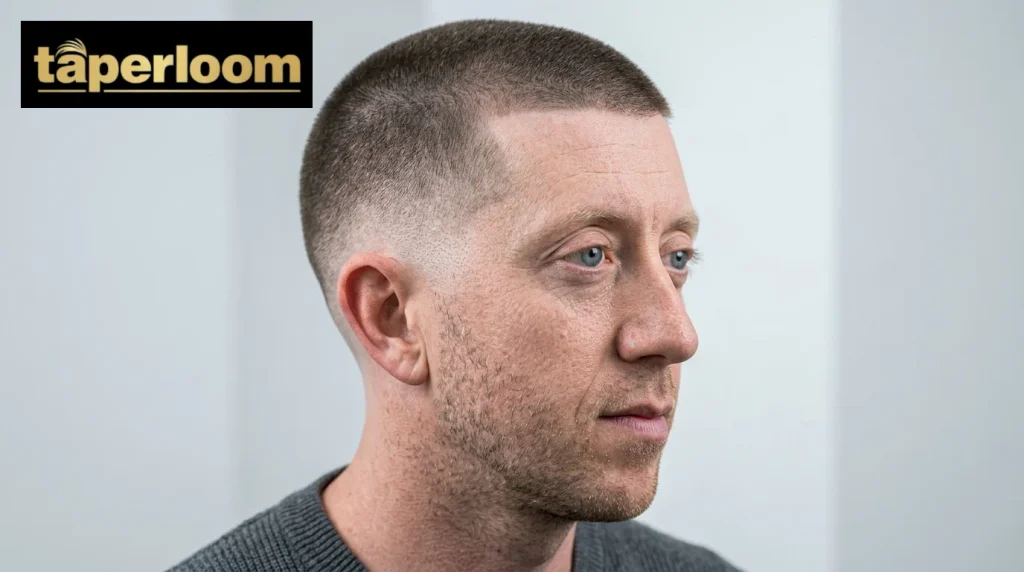
Low taper fade on long hair for guys keeping length up top
Low taper fade on short hair for a tighter, all-around cropped finish
Low taper fade for kids, a softer version suited to school-friendly grooming rules
Step-by-Step Styling Guide
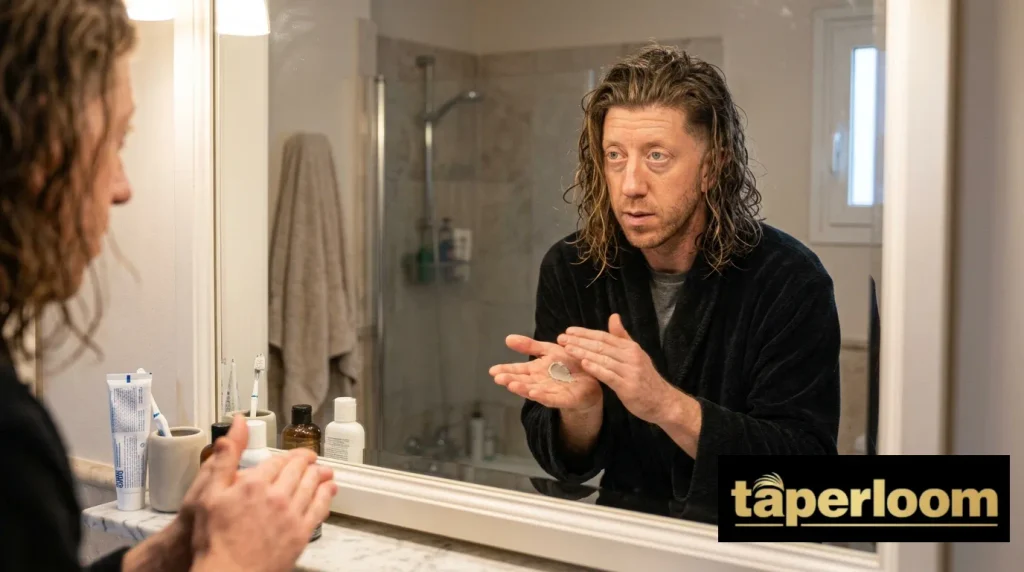
1. Start with damp hair. Towel-dry until hair is damp, not soaked product distributes more evenly and holds better this way.
2. Apply a dime-sized amount of product. Rub it between your palms first so it spreads evenly instead of clumping in one section.
3. Work product through with your fingers, not a comb. Combing flattens texture; fingers preserve the piecey, layered look the cut is built around.
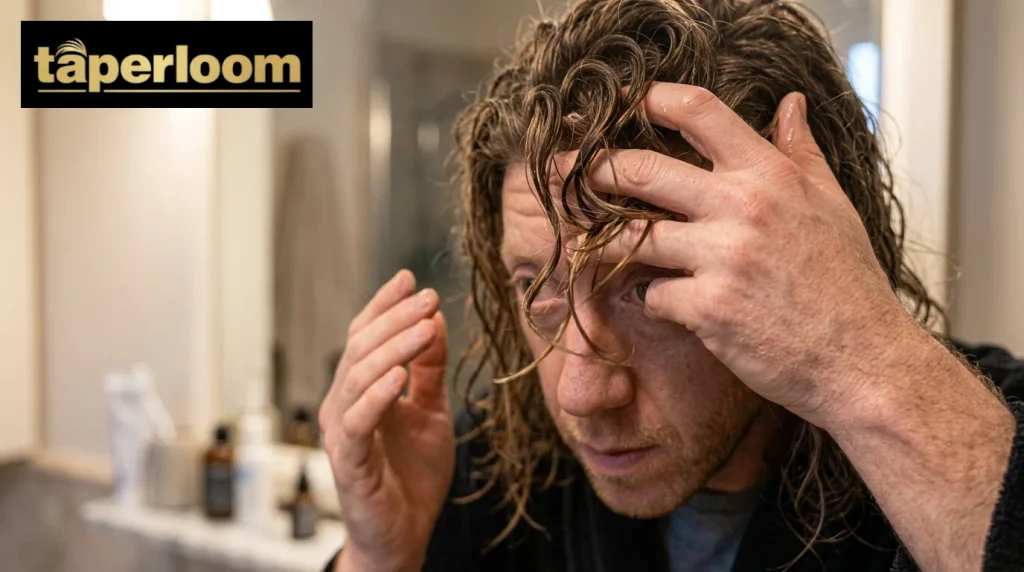
4. Push hair forward toward the fringe. Direct the top and fringe forward and slightly downward to set the shape.
5. Pinch pieces for definition. Grab small sections between your fingers and twist slightly to create separation and texture.
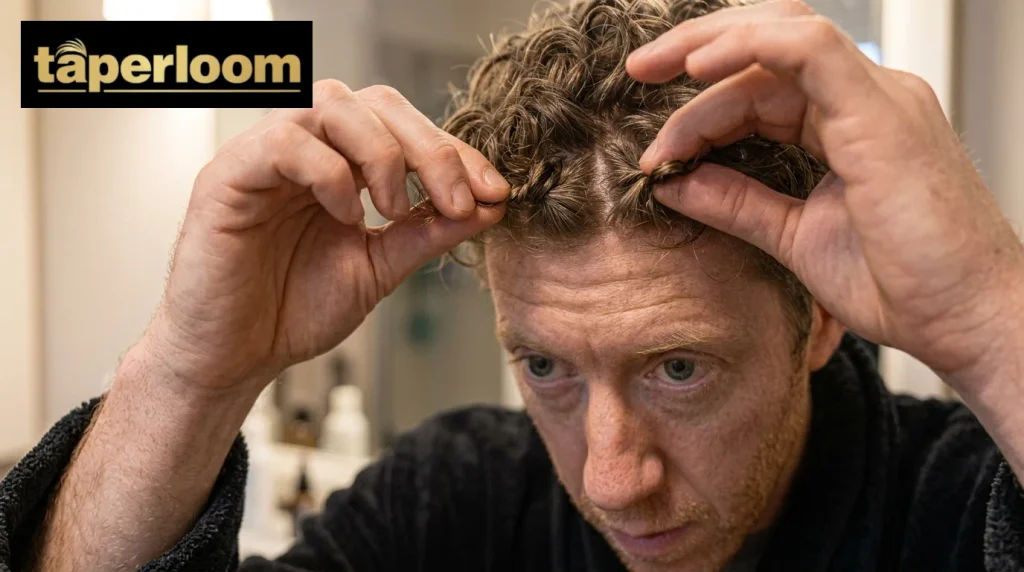
6. Let it air-dry or use a diffuser on low heat. High heat can loosen the hold and flatten texture, especially on wavy or curly hair.
7. Touch up midday if needed. A small amount of texture powder or dry wax can revive shape without a full restyle.
Best Products by Hair Type
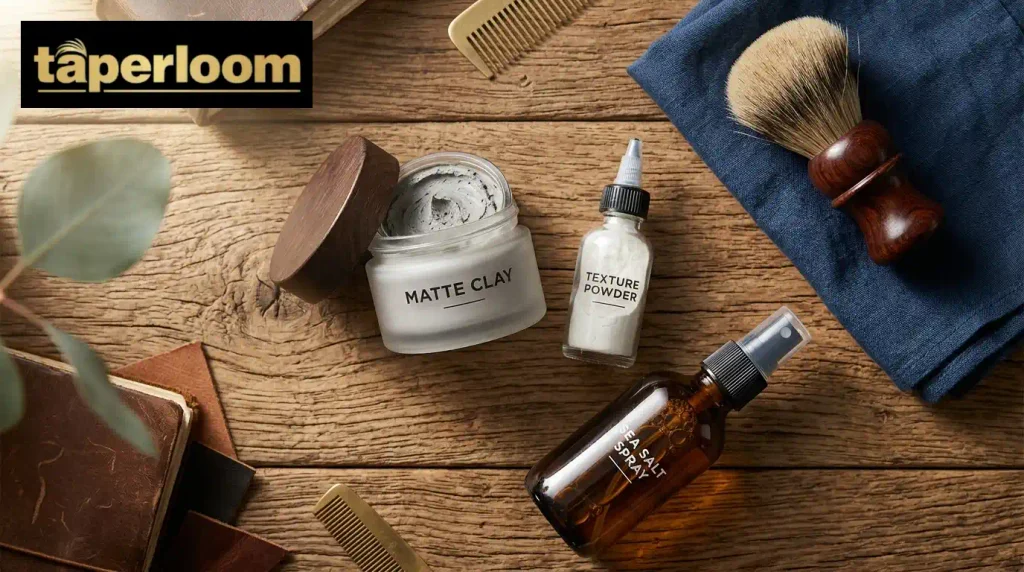
- Straight hair — Matte clay or paste for strong, natural-looking hold without shine.
- Wavy hair — Light sea-salt spray or a cream to enhance texture without weighing waves down.
- Curly hair — Curl cream or light gel to define curls while keeping them soft and touchable.
- Thick hair — Texturizing spray or lightweight pomade to control volume without adding heaviness.
- Thin/fine hair — Volumizing powder or a light matte paste that won’t collapse fine strands.
Cost & Maintenance Frequency
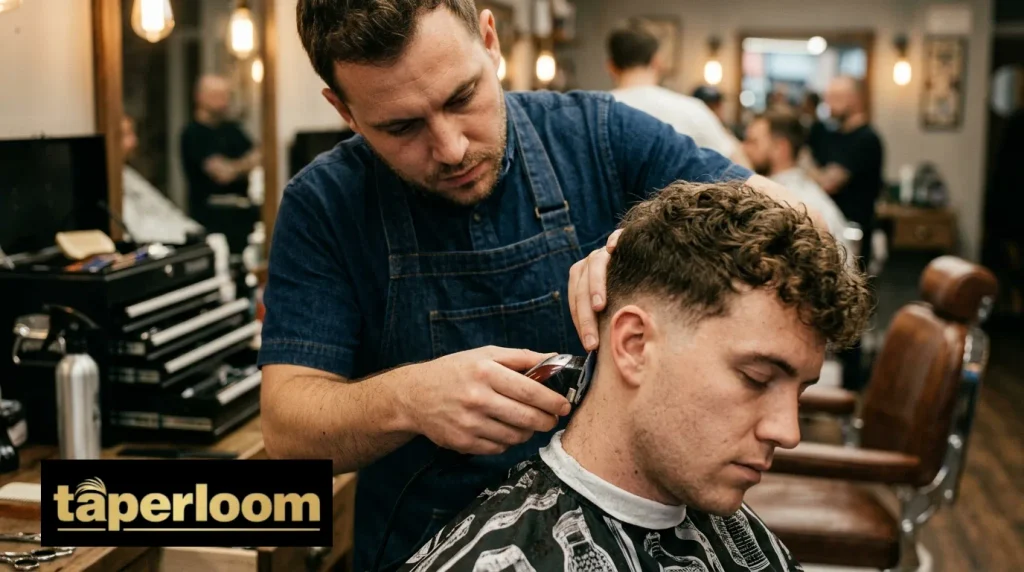
Prices for this cut typically run $25 to $60 at a standard barbershop, with premium salons charging $50 to $100 or more depending on your location and the barber’s experience level.
For maintenance:
- Full cut: Every 3 to 4 weeks to keep the fade and top texture sharp.
- Fade-only touch-up: Around the 2-week mark if you want the sides to stay crisp between full cuts.
- Fringe trim: Can often be done at home with small scissors if it grows past your preferred length before your next visit.
Growing-Out Timeline
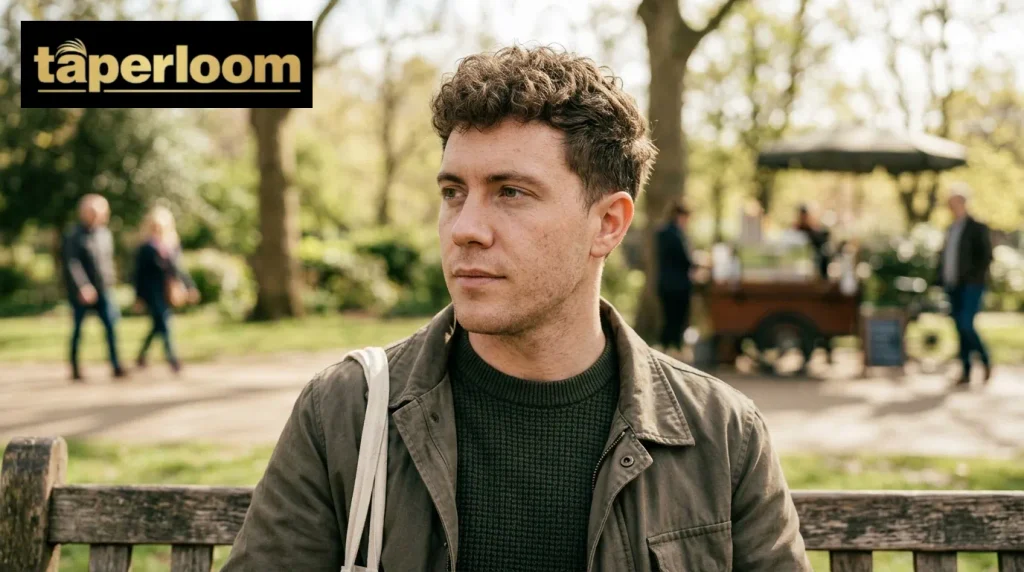
- Week 1–2: Fade stays crisp, top texture holds its shape with minimal styling effort.
- Week 3–4: Fade line starts to soften, fringe grows slightly longer and may need light restyling.
- Week 5–6: Fade blends upward on its own, top gains noticeable length and volume a good stage for transitioning into a longer style like a low taper fade mullet or long-hair variation if you don’t want to cut yet.
- Week 7+: The cut loses its defined shape; most guys book a fresh cut by this point rather than let it grow further.
Common Mistakes
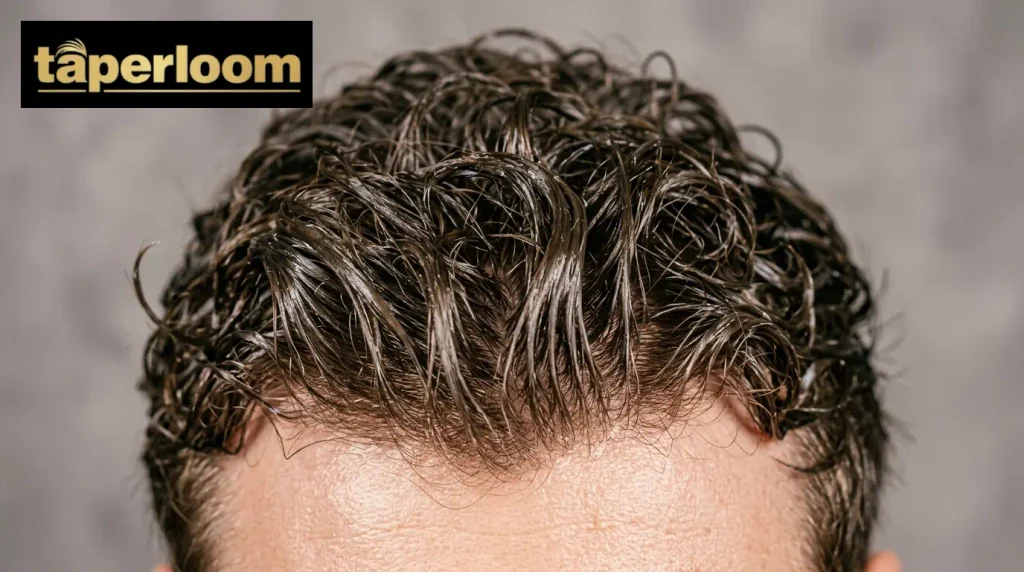
- Using too much product. Heavy pomades or gels flatten the texture that makes this cut work less is almost always more.
- Skipping fade touch-ups. Letting the fade grow out unevenly makes the whole cut look unkempt faster than the top does.
- Combing instead of finger-styling. A comb removes the piecey separation; always finger-style for texture.
- Not specifying fade height. Saying “fade” without “low” often results in a mid or high fade that changes the whole look.
- Ignoring hair type in the barber conversation. Thick, curly, and fine hair all need different layering approaches leaving this out leads to a generic result.
How to Ask Your Barber
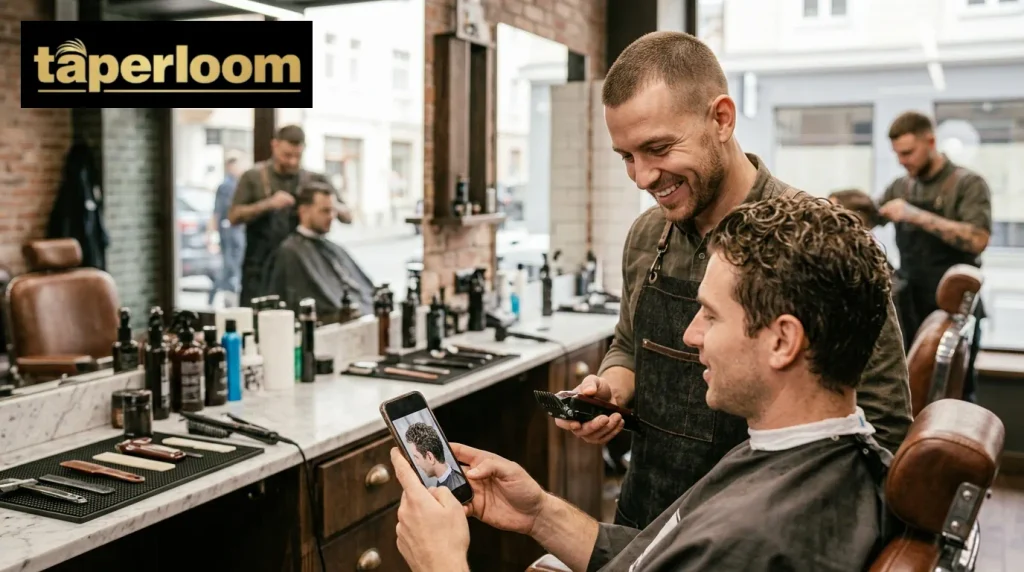
The clearest way to get exactly what you want is to combine a photo reference with specific wording. Vague requests like “give me a fade” leave too much room for interpretation.
Try saying this:
“I want a low taper fade on the sides and back, with a choppy, textured top. Keep the fringe forward and about [halfway down my forehead / just above my eyebrows], with [clean / messy] texture on top.”
Beyond that main request, mention these specifics so nothing gets left to guesswork:
- Fade height: Say “low taper” clearly, and specify that you don’t want it climbing higher toward mid or high fade territory.
- Fringe length and shape: Decide whether you want it blunt and straight across, or choppy and piece-y, and how far down your forehead it should sit.
- Top length: Most versions of this cut use 2 to 4 inches of length before layering. Mention if you want it shorter for lower maintenance or longer for more styling flexibility.
- Finish: Tell your barber whether you’re going for a clean, polished look or a messier, more lived-in one. This changes how they layer and texturize the top.
- Hair type considerations: If you have thick or coarse hair, mention it. Your barber may thin it out more or suggest a slightly higher taper so the fade actually shows.
Bringing a photo is still the fastest way to close any communication gap. Pair it with this wording, and you walk out with the cut you actually asked for instead of a rough approximation of it.
FAQs
Does a low taper fade with textured crop work on thin hair?
Yes. Lighter layering combined with texture powder builds the appearance of density without weighing thin strands down.
How often do I need a trim to keep this haircut looking sharp?
Every 3 to 4 weeks for a full cut, with an optional fade-only touch-up around the 2-week mark if you want the sides to stay crisp longer.
Can I style this haircut myself at home?
Yes. With the right matte product and a few minutes of finger-styling, most guys can maintain the look at home between barber visits.
Is a low taper fade appropriate for a professional workplace?
Yes. The subtle, low-sitting blend keeps the sides clean and understated, making it one of the more office-friendly fade options.
What face shape suits this haircut best?
Oval faces suit almost any variation, while round, square, heart-shaped, and diamond faces each benefit from small adjustments to fringe length and crown volume.
What’s the difference between a low taper fade and a low fade?
A low taper fade blends gradually and softly, while a plain low fade can refer to a slightly more defined line at the same low height. In practice, most barbers use the terms interchangeably.
Does this haircut work with curly hair?
Yes. Curly hair adds natural volume and texture on top, and barbers mainly shape the perimeter while letting the curl pattern do the rest.
How much does a low taper fade with textured crop typically cost?
Prices usually range from $25 to $60 at a standard barbershop, with premium salons charging $50 to $100 or more.
Conclusion
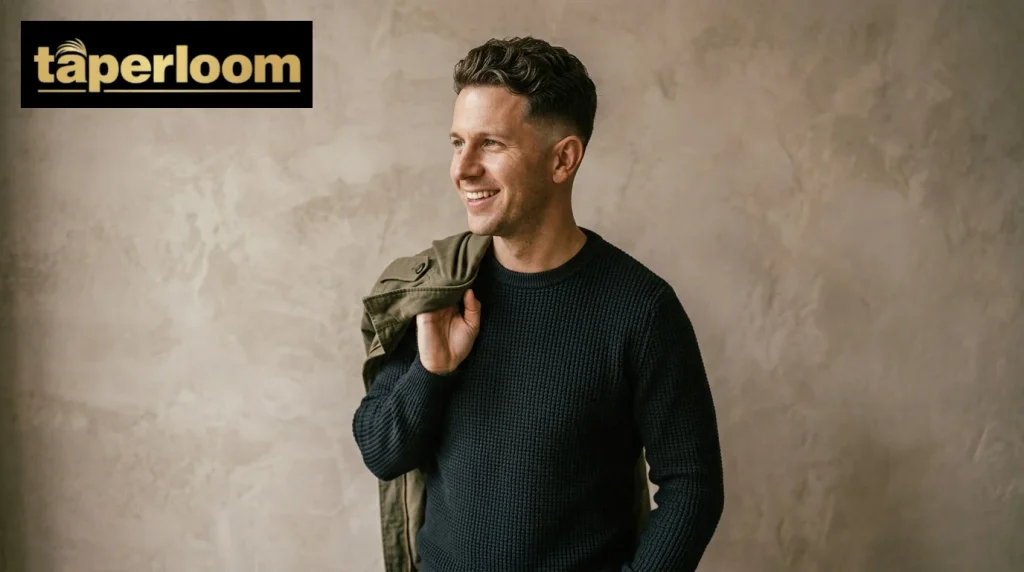
The low taper fade with textured crop earns its popularity because it solves a real problem: you get a sharp, professional side profile and a textured, expressive top without needing two different haircuts for two different parts of your life.
Whether your hair is straight, wavy, curly, thick, or fine, there’s a variation in this guide built around it.
Bring a reference photo, use the wording from the barber script above, and stick to a trim schedule that matches how sharp you want the fade to stay.
Do that, and this cut will hold its shape, its texture, and its versatility well past your first visit. Browse our full low taper fade category for more style inspiration before your next appointment.
Read Next : Low Taper Fade Afro: 30 Best Styles for Every Hair Type & Face Shape (2026 Guide)

Muhammad Kaleem is a content creator who writes about hair care, hairstyles, grooming, and everyday hair trends. He enjoys turning hair-related topics into simple, practical, and easy-to-understand content that helps readers make informed choices about their hair and personal style.