
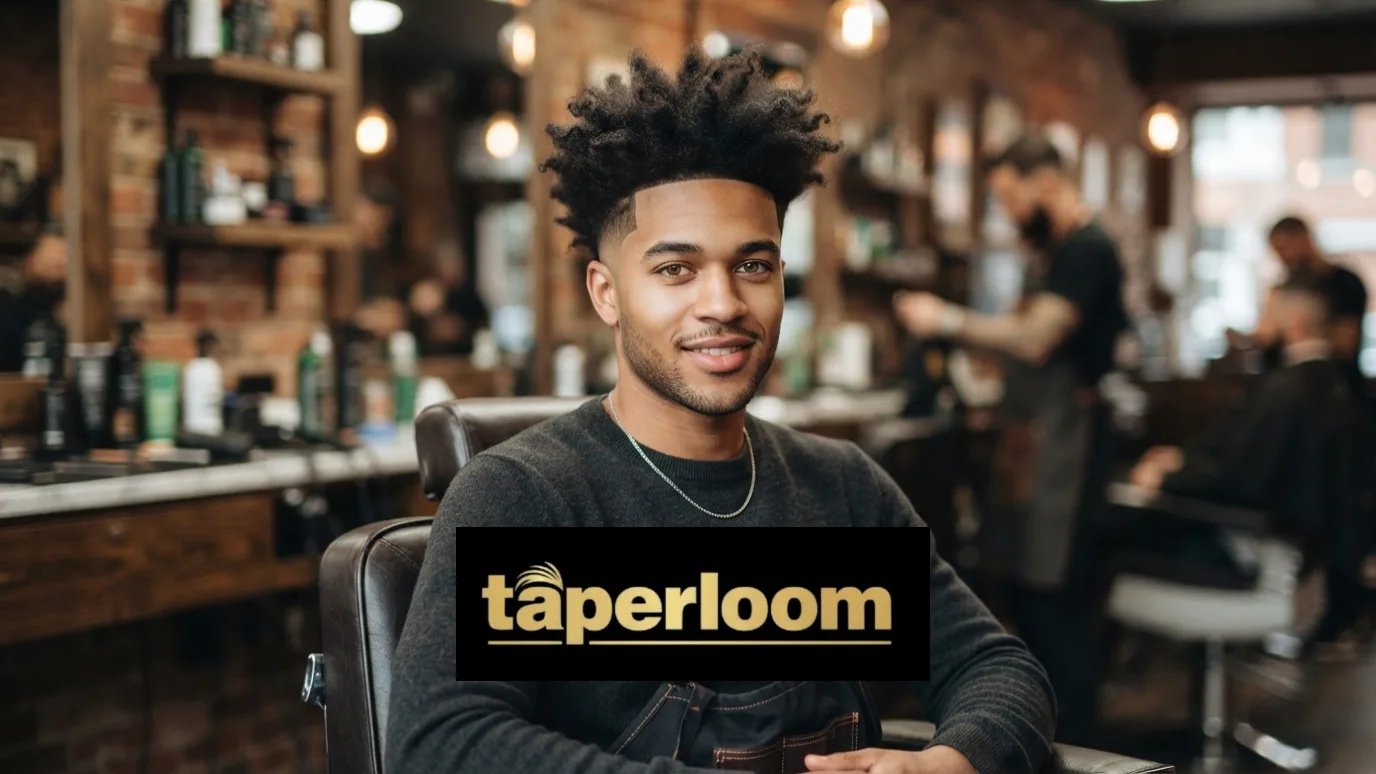
Low taper fade fluffy hair pairs a low taper fade one that starts about 1 to 1.5 inches above the ear with 3 to 6 inches of soft, textured length on top.
The sides stay clean and tight to the skin near the neckline, while the top is left long enough to move, bounce, and catch air.
It’s one of the most requested men’s haircuts of 2026, and for good reason: it works on straight, wavy, thick, fine, and curly hair alike.
If you’re trying to figure out whether this cut will actually work for your hair, how to ask for it without walking out with the wrong fade, or which of the 25 style variations below fits your face shape you’re in the right place.
If you want to browse even more variations first, check out our full 70+ Low Taper Fade Designs guide for the complete picture.
What Is Low Taper Fade Fluffy Hair?
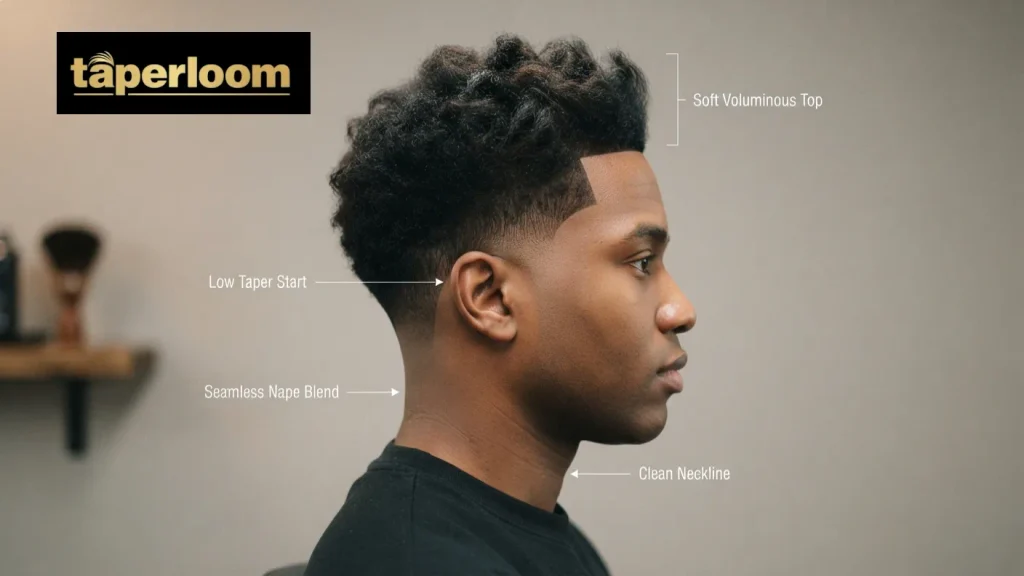
A low taper fade fluffy hair haircut has two distinct parts working together, and understanding both is what separates a good result from a bad one.
The low taper fade is the foundation. It starts roughly 1 to 1.5 inches above the ear and blends gradually down toward the neckline, getting shorter as it goes.
Unlike a skin fade, a low taper never exposes bare scalp it keeps a soft shadow of hair even at its shortest point.
A true low taper also skips the curved, swooping line behind the ear that you’d see on a drop fade; the line stays straight and close to the natural hairline instead.
The fluffy top is the volume. Barbers typically leave 3 to 6 inches of hair on top, cut with internal layering so it has movement instead of sitting flat.
The “fluffy” look comes from a mix of length, light layering, and airflow during styling not from any single product or technique alone.
Put the two together and you get a cut that reads as polished on the sides and effortless on top clean sides, natural volume, and a soft, airy finish that works for a teen heading to school or a guy heading into the office.
Quick reference:
| Element | Detail |
| Fade start point | 1–1.5 inches above the ear |
| Top length | 3–6 inches |
| Scalp exposure | None (soft shadow, not skin) |
| Hairline shape | Straight, no curved drop |
| Best hair types | Straight, wavy, thick, fine, curly |
| Rebook frequency | Every 2–3 weeks |
Low Taper Fade Fluffy Hair vs Mid Taper vs High Taper
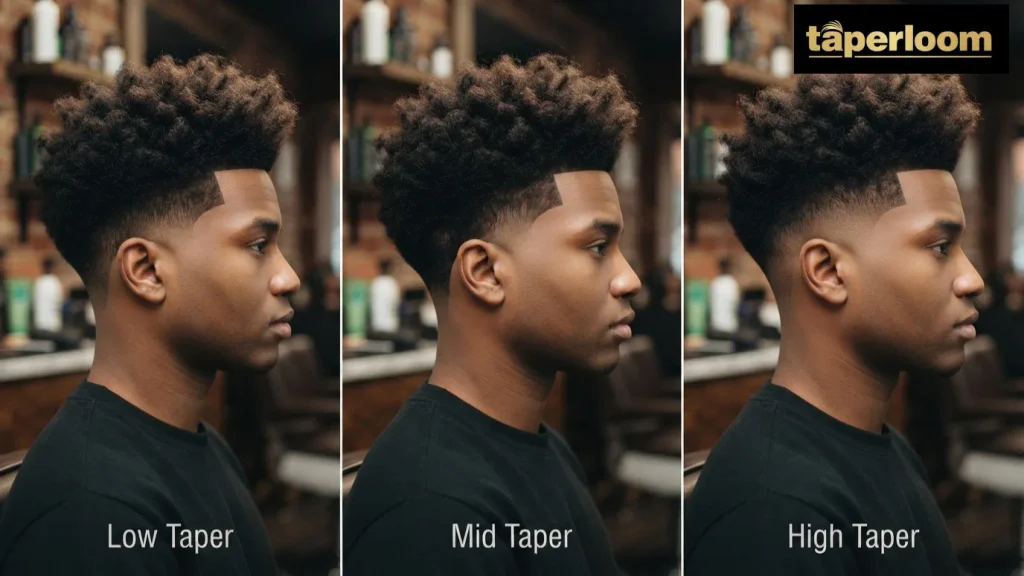
The word “taper” tells you how gradual the fade is “low,” “mid,” or “high” tells you where it starts.
That single detail changes how much contrast you get between your sides and your fluffy top, and it’s the first thing your barber needs to know.
- Low taper — fade starts 1-1.5 inches above the ear. Contrast is soft and subtle. Best if you want the fluffy top to be the main focus, with the sides barely noticeable.
- Mid taper — fade starts around the temple, higher than a low taper but lower than a high fade. Contrast is more defined. Best if you want the fade itself to be part of the look, not just background.
- High taper — fade starts near the top of the head, close to the crown. Contrast is sharp and bold. Best if you want a dramatic difference between short sides and a tall, voluminous top.
| Fade Type | Starts At | Contrast Level | Best For | Maintenance |
| Low taper | 1-1.5″ above ear | Subtle | Oval, round, heart face shapes low-key everyday looks | Every 3 weeks |
| Mid taper | Temple area | Moderate | Square, oblong face shapes — office or casual settings | Every 2-3 weeks |
| High taper | Near the crown | Bold | Any face shape statement looks, thicker hair types | Every 2 weeks |
Which one should you actually pick? If you’re new to fades or you want something that grows out gracefully without needing constant touch-ups, go low taper.
If you want your fade to be a visible part of the style not just a clean-up a mid or high taper gives you more definition to work with.
A low taper fade fluffy hair combo specifically works because the fade stays quiet and lets the fluffy top do the talking. A high taper with the same fluffy top would compete for attention instead of complementing it.
Hair Type & Face Shape Matrix
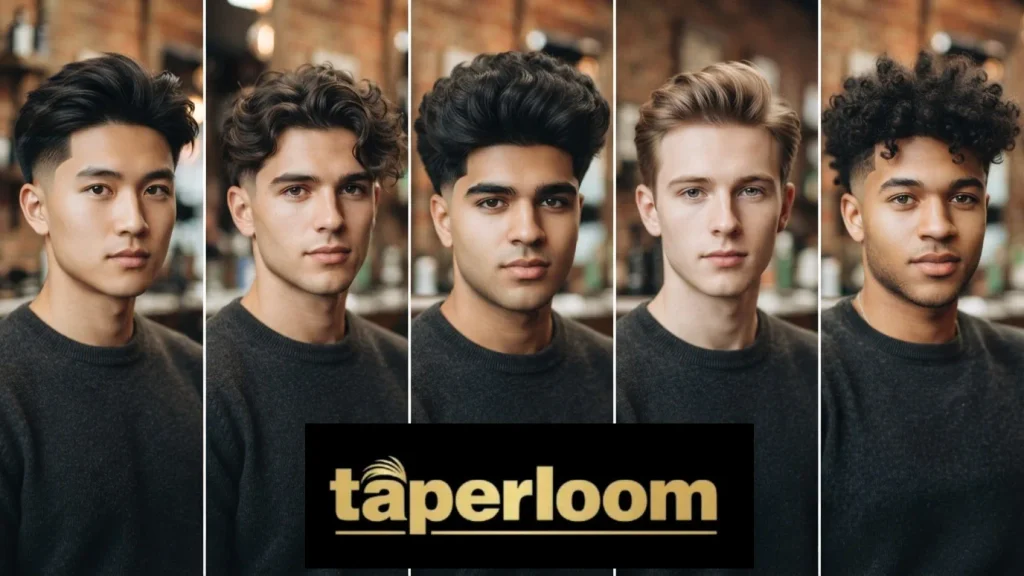
Not every version of this cut works the same way on every head. Your natural hair texture decides how much volume you’ll get without effort, and your face shape decides which style variation actually flatters you instead of fighting your features.
By hair type:
| Hair Type | How It Behaves | Best Style Match | Key Product |
| Straight | Falls flat without help needs lift from the root | Fluffy fringe, long top taper fade | Root lifting spray |
| Wavy | Naturally airy works with the taper instead of against it | Wavy fluffy hair, messy fluffy hair | Sea salt spray |
| Thick | Holds volume easily risk of looking heavy if not thinned | Blowout taper fade, textured top | Matte clay |
| Fine | Needs extra lift prone to going flat by midday | Puffy hair, short fluffy hair | Volumizing mousse |
| Curly | Naturally voluminous needs shape, not more lift | Fluffy curls, mid taper fade | Curl cream |
By face shape:
- Oval — most versatile shape, works with nearly every variation on this list, including a fluffy fringe or middle part
- Round — go for more height on top (blowout, puffy hair) to add length and balance the width of the face
- Square — soft, textured fluffy styles work best; avoid anything too structured or blocky on top
- Heart — a side part or curtain-style fringe helps balance a narrower jawline
- Oblong — keep some width on top rather than height a middle part or side-swept style works better than a tall blowout
If you’re not sure which category you fall into, tell your barber your face shape and hair type together that combination is what they actually use to pick the right variation, not the haircut name alone.
25 Best Low Taper Fade Fluffy Hair Styles
1. Low Taper Fade Fluffy Hair for Teen Boys
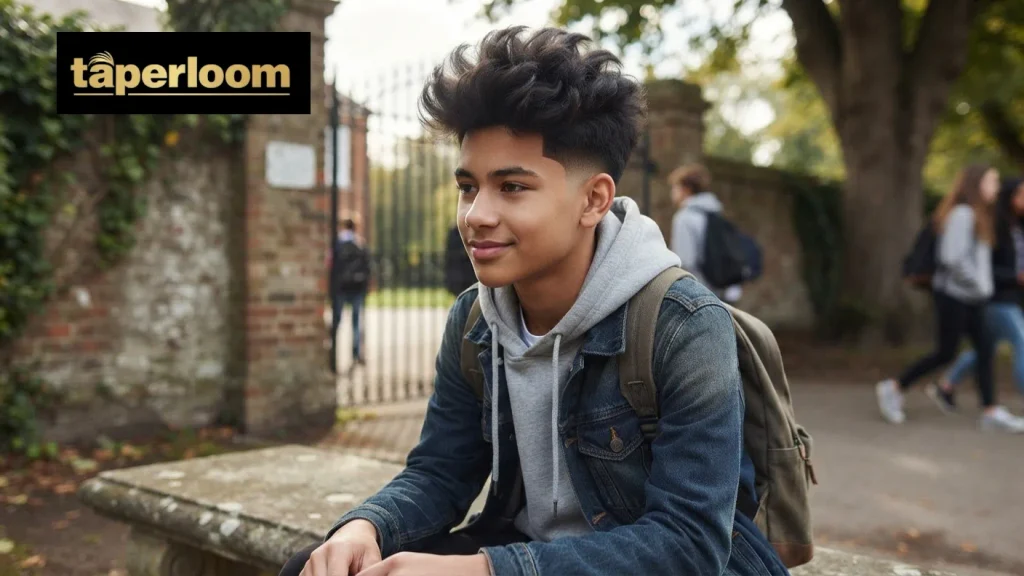
This is the go-to pick for school clean enough to pass any dress code, relaxed enough to still look cool. The top stays soft and full without needing daily styling effort, and the low taper keeps the sides tidy between cuts.
- Best for: Straight to wavy hair, medium density
- Styling tip: Blow-dry upward with your fingers, then run a light hold cream through the ends
- Product: Light hold styling cream
2. Mid Taper Fade with Fluffy Top
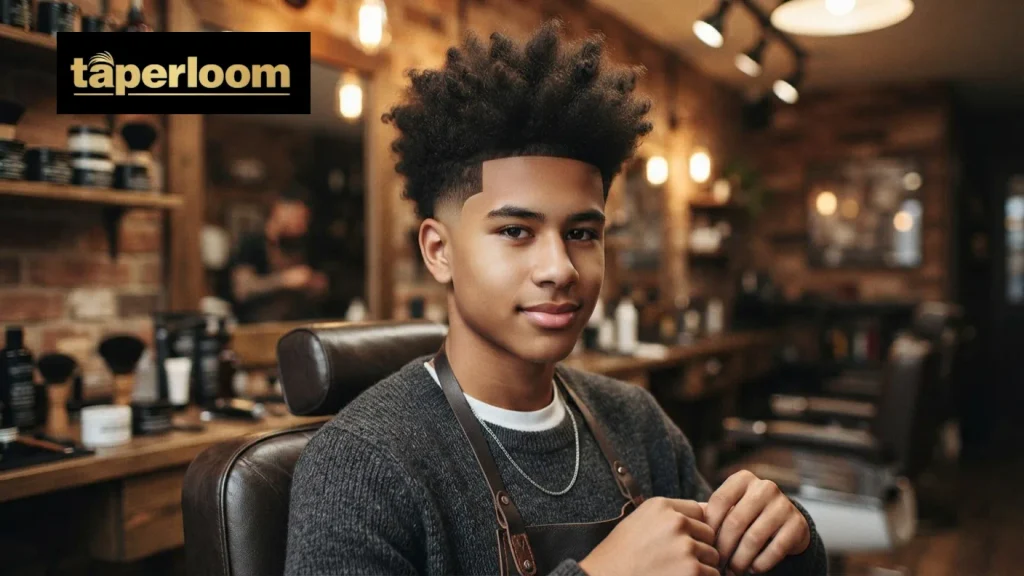
Swap the low taper for a mid taper and the same fluffy top suddenly reads bolder. The fade starts higher, near the temple, so there’s more visible contrast between the sides and the volume up top.
- Best for: Men who want the fade itself to stand out, not just clean up the sides
- Styling tip: Use a texturizing spray and scrunch the top for natural separation
- Product: Texturizing spray
3. Low Taper Fade Fluffy Fringe
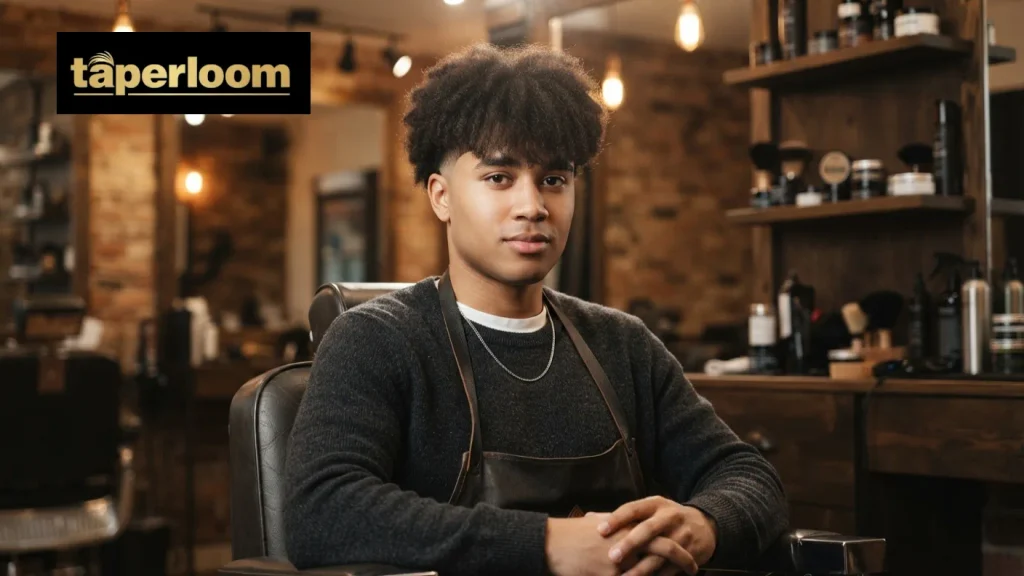
A full, soft fringe falls forward over the forehead, framing the face without looking overgrown. The low taper on the sides is what keeps this from turning into a shaggy mess. For more fringe-specific variations, see our Low Taper Fade Fringe Haircuts guide.
- Best for: Straight to slightly wavy hair
- Styling tip: Round-brush the fringe forward while blow-drying, finish with a light cream
- Product: Lightweight styling cream
4. Long Top Taper Fade with Fluffy Texture
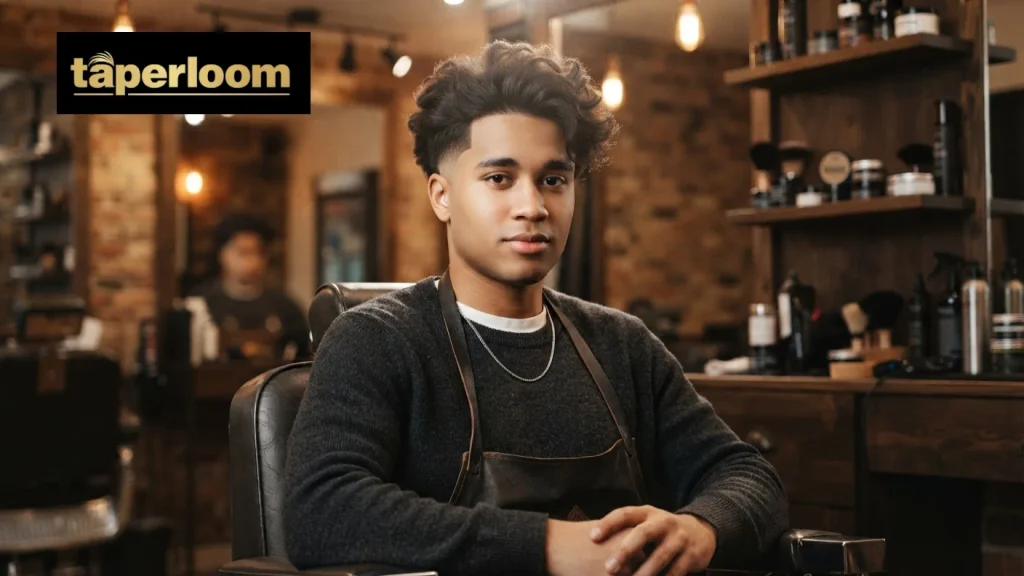
More length on top usually 4 to 5 inches means more ways to wear it. Swept back one day, parted the next, left loose the day after.
The taper keeps it grounded no matter how you style it. If you want to push the length further, our Low Taper Fade Long Hair guide covers that range in detail.
- Best for: Men who like switching up their look without a haircut
- Styling tip: Apply sea salt spray to damp hair for a tousled, beachy finish
- Product: Sea salt spray
5. Low Taper Fade for Straight Hair
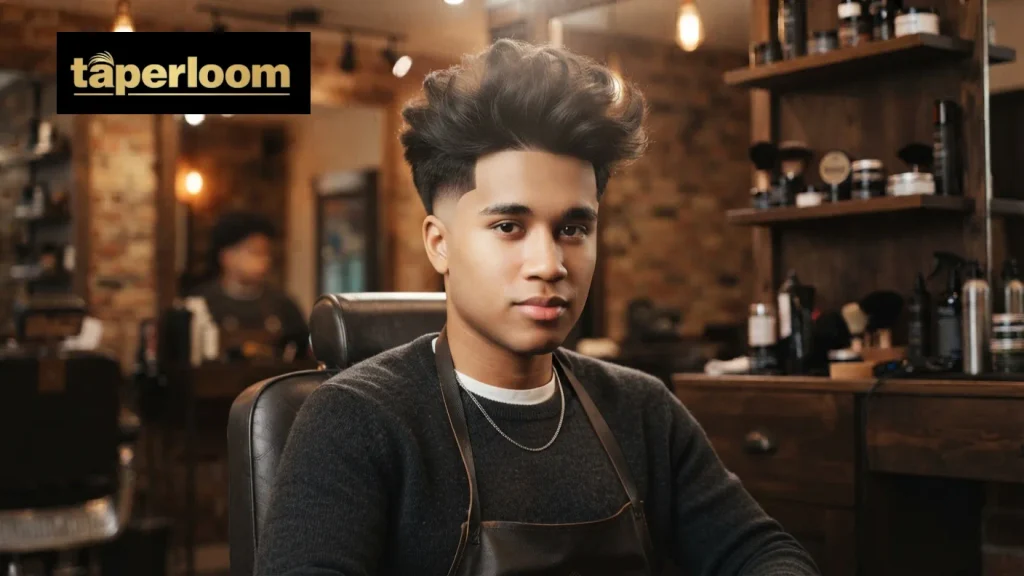
Straight hair looks unexpectedly clean in this cut the sides sit smooth against the skin while the top gets blow-dried upward for lift it wouldn’t have on its own.
- Best for: Pin-straight to slightly thick straight hair
- Styling tip: Use a root-lifting spray at the roots before blow-drying
- Product: Root lifting spray
6. Low Taper Fade for Thick Hair
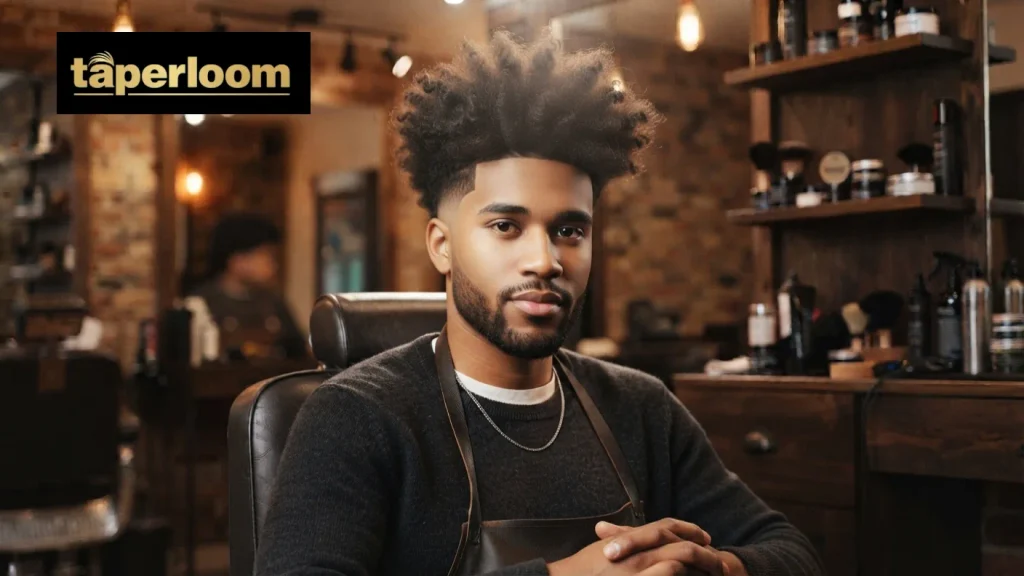
Thick hair carries volume naturally the challenge is bulk, not lift. A low taper removes weight from the sides while internal layering keeps the top full without looking heavy.
- Best for: Dense, coarse, or thick hair types
- Styling tip: Ask your barber for thinning shears on top, then finish with a light pomade
- Product: Light pomade
7. Low Taper Fade with Messy Fluffy Hair

The “just woke up like this” look except it takes a few minutes of product and a taper that makes it look intentional instead of unkempt.
- Best for: Thick or wavy hair, casual everyday wear
- Styling tip: Apply texturizing paste and scrunch — don’t overwork it
- Product: Texturizing paste
8. Low Taper Fade Fluffy Hair with Middle Part
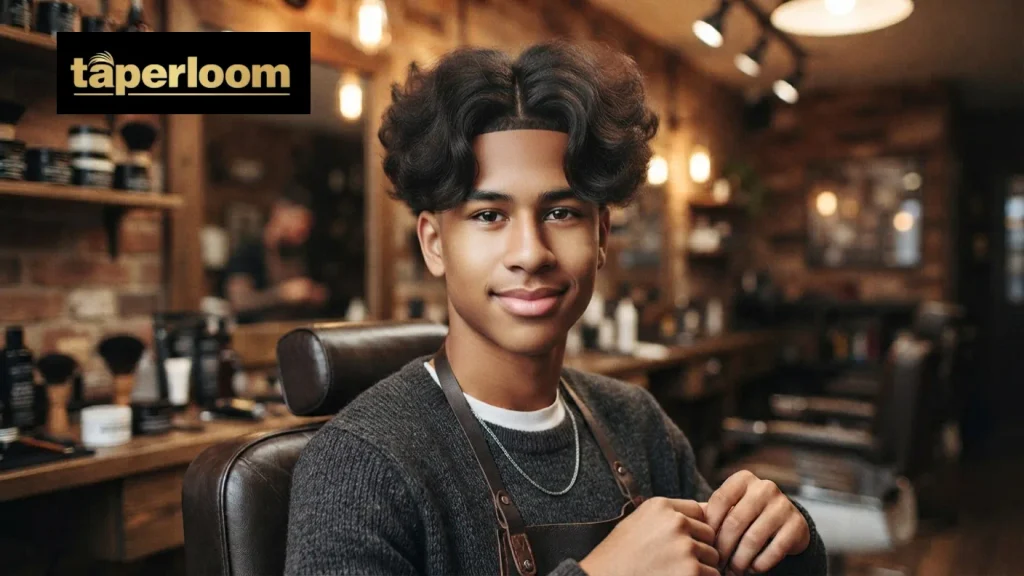
A center part gives the fluffy top a curtain-like fall on both sides of the face soft, symmetrical, and one of the more polished variations on this list.
- Best for: Straight to wavy hair, oval or oblong face shapes
- Styling tip: Blow-dry each side outward from the center part using a root-lifting spray
- Product: Root lifting spray
9. Low Taper Fade Fluffy Hair with Side Part
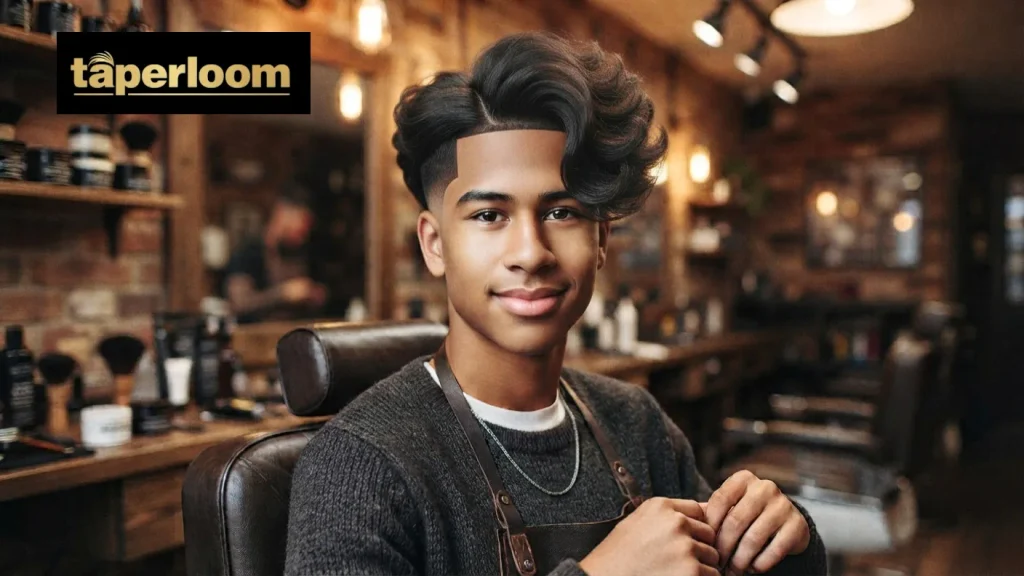
A classic side part with volume behind it one side swept over, the other sitting close. Works just as well in a meeting as it does on a weekend.
- Best for: Men who need one cut that works for both office and casual settings
- Styling tip: Comb the part in while hair is slightly damp, using a medium-hold pomade
- Product: Medium hold pomade
10. Low Taper Fade with Blowout Fluffy Top
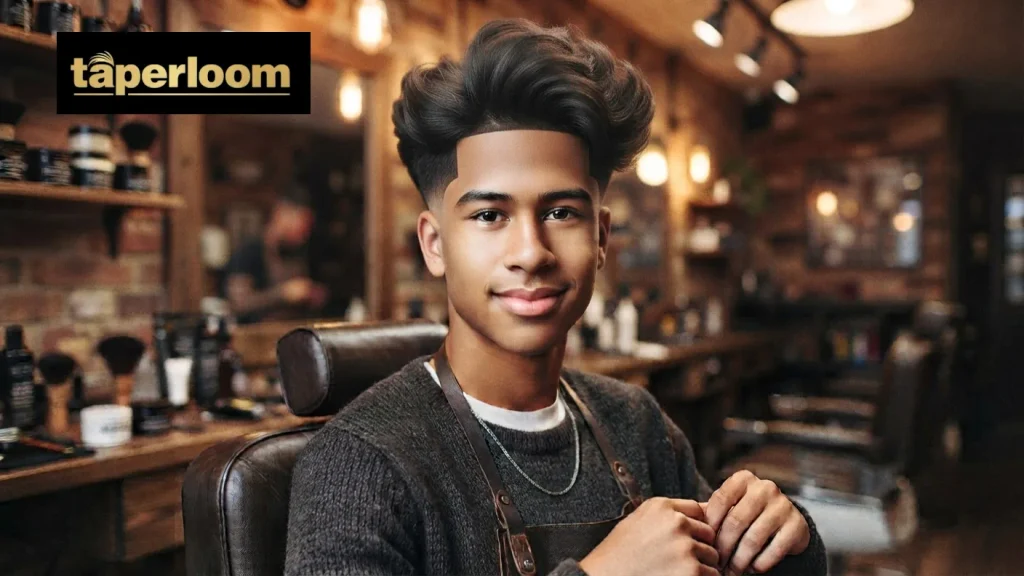
Maximum height, maximum volume the top gets blown out with a round brush section by section, while the low taper keeps the overall look from tipping into “too much.” Browse more volume-focused cuts in our Blowout Taper category.
- Best for: Thick to medium-density hair, men wanting a dramatic top
- Styling tip: Use a boar bristle round brush and dry in sections for lift
- Product: Round brush + heat protectant spray
11. Low Taper Fade with Light Waves
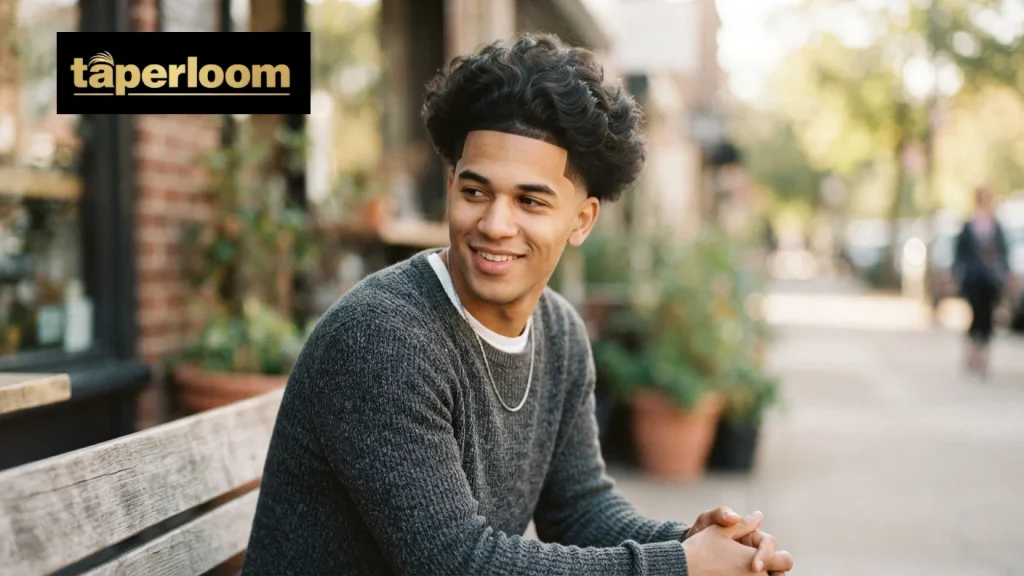
If your hair already waves on its own, this style leans into that instead of fighting it the taper stays clean while the top moves naturally.
- Best for: Naturally wavy or lightly curly hair
- Styling tip: Apply curl-enhancing cream and diffuse on low heat to protect the wave pattern
- Product: Curl-enhancing cream
12. Low Taper Fade with Fluffy Curls
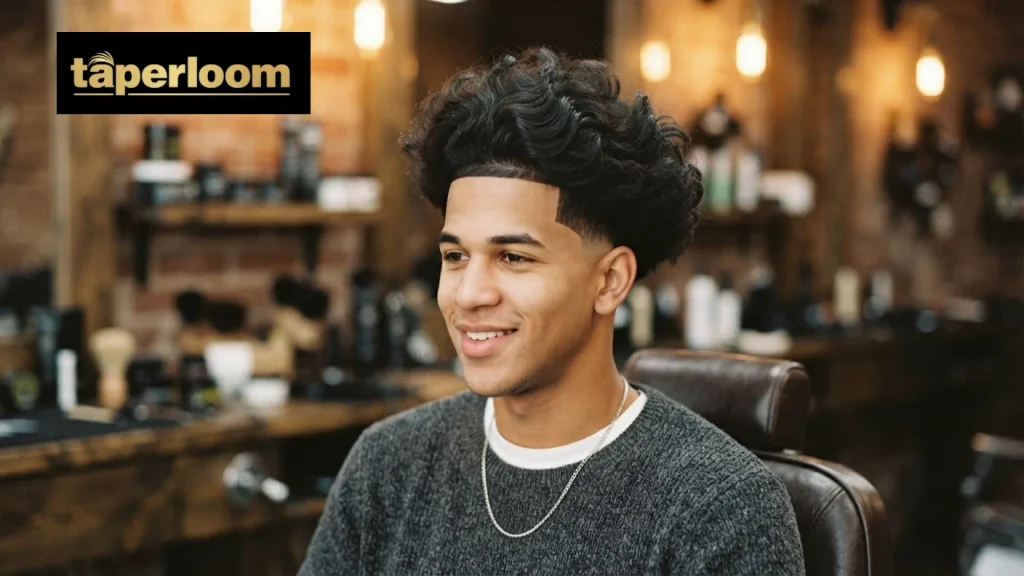
Defined, bouncy curls on top paired with a sharp low taper below the contrast between structured sides and loose curls is what makes this one pop.
- Best for: Naturally curly or coily hair
- Styling tip: Apply curl cream section by section, then diffuse for definition without crunch
- Product: Curl cream
13. Short Fluffy Hair with Low Taper Fade
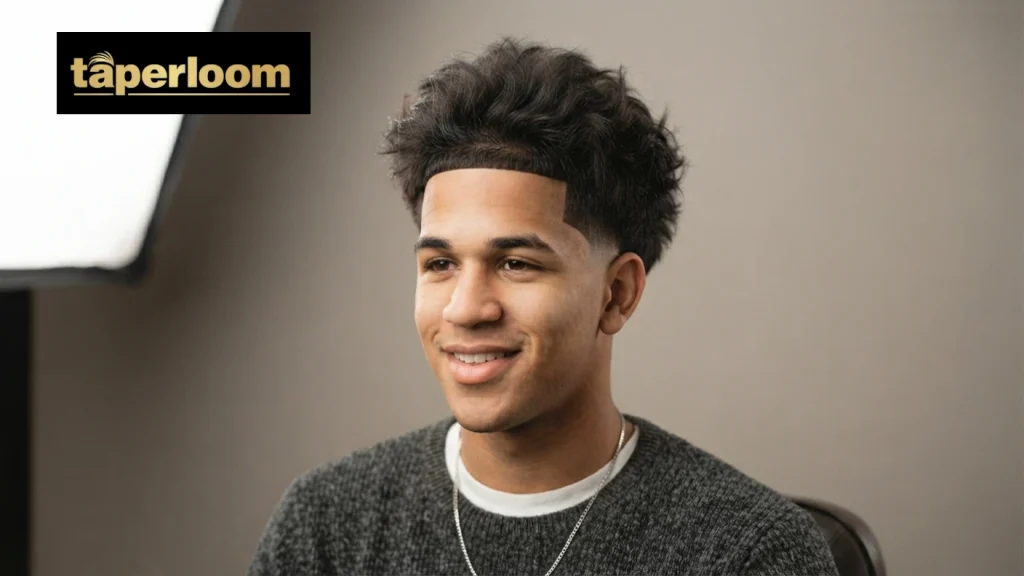
For guys who want the texture without the length commitment the top is kept just long enough to show movement, nothing more. See more low-maintenance options in our Low Taper Fade on Short Hair guide.
- Best for: Men who prefer a lower-maintenance, shorter cut
- Styling tip: Use a lightweight volumizing powder at the roots for lift without added weight
- Product: Volumizing powder
14. Fluffy Hair with Textured Top
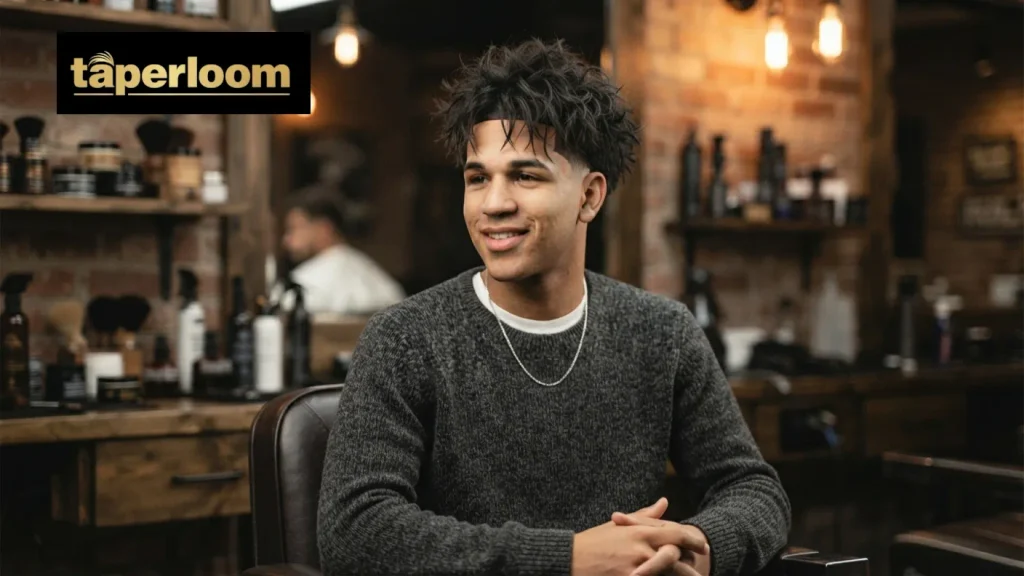
Heavy on definition each section of hair is layered and styled so individual strands separate rather than blending into one mass.
- Best for: Naturally wavy or coarse-textured hair
- Styling tip: Work matte clay through damp hair and rough-dry with your fingers
- Product: Matte clay
15. Low Taper Fade Fluffy Hair for School
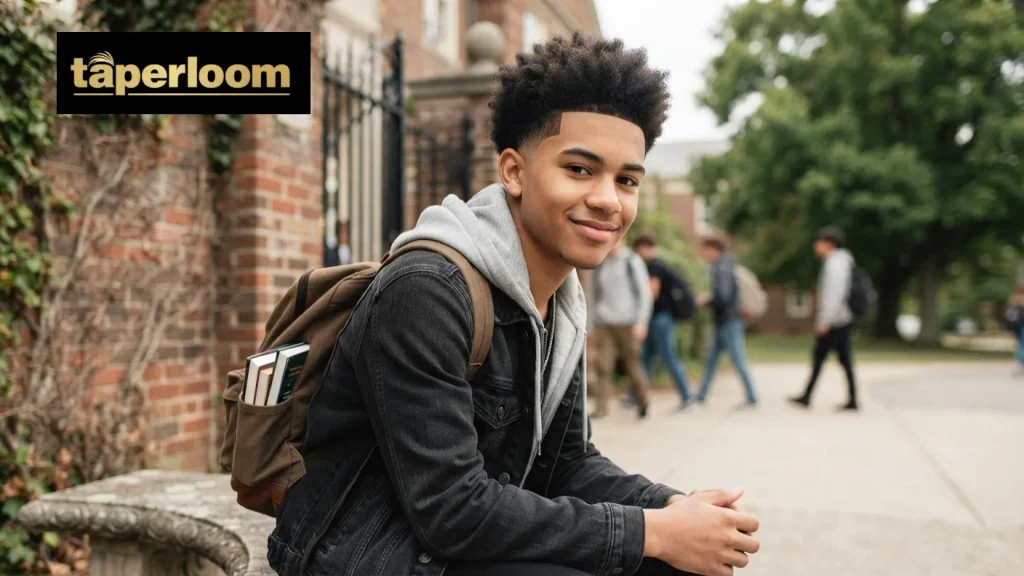
A toned-down, age-appropriate version that still looks current full enough on top to look styled, clean enough on the sides to meet any school dress code.
If you’re picking this cut for a younger kid rather than a teen, our Low Taper Fade for Kids guide has age-specific advice and a barber script for parents.
- Best for: Students aged roughly 13-20
- Styling tip: A quick 5-minute blow-dry with light volumizing mousse is all it needs
- Product: Volumizing mousse
16. Puffy Hair with Low Taper Fade
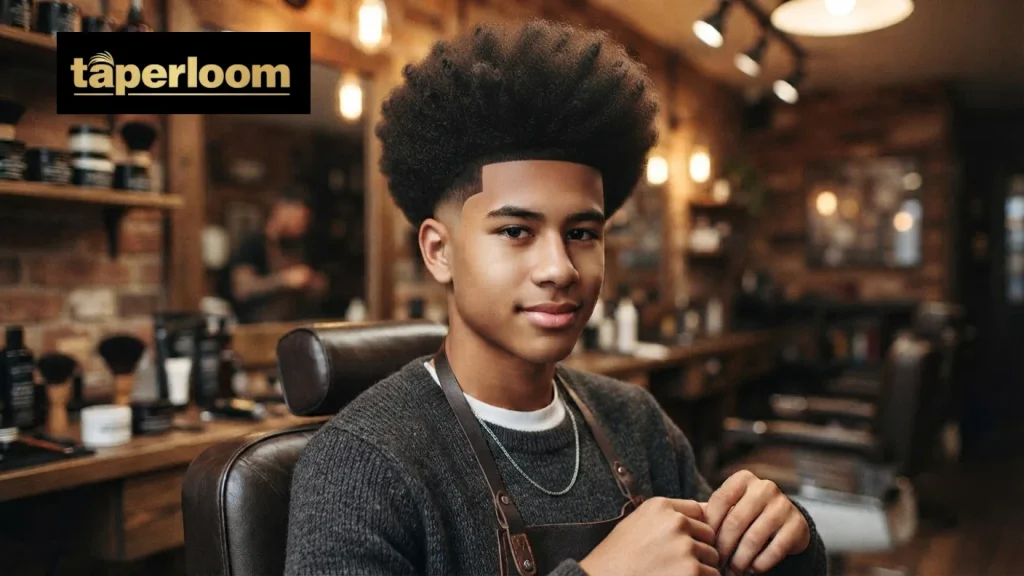
Volume styled upward and outward for a full, rounded crown bold, but the clean taper underneath keeps it from reading as messy.
- Best for: Fine hair types wanting the illusion of more density
- Styling tip: Apply volumizing mousse at the roots before blow-drying upward
- Product: Volumizing mousse
17. Modern Fluffy Taper Fade
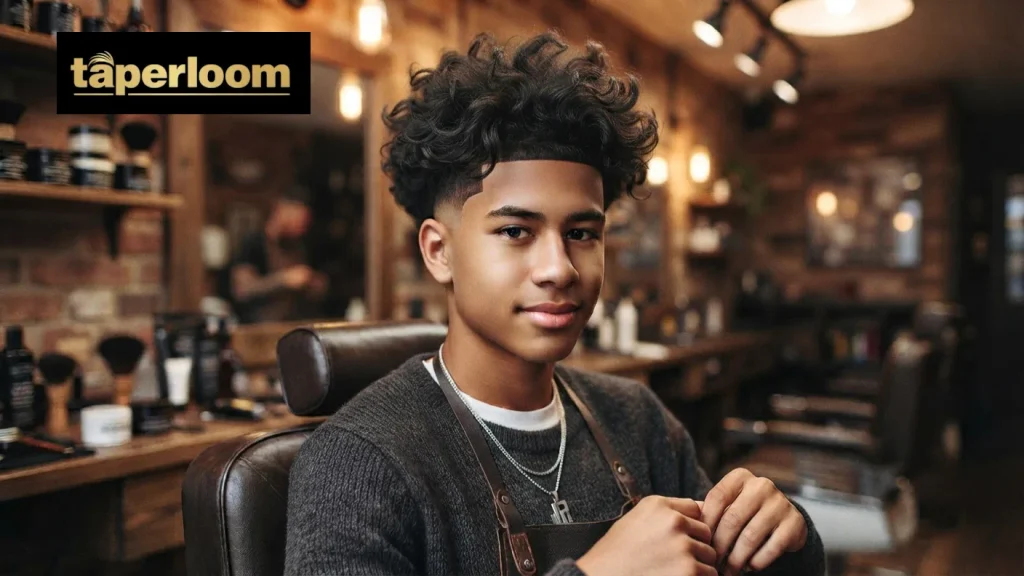
The current-decade take on this cut softer, more natural volume rather than heavily styled height. Think relaxed texture over stiff structure.
- Best for: Fashion-forward men, younger demographics
- Styling tip: Use a lightweight volumizing spray instead of gel to keep movement flexible
- Product: Lightweight volumizing spray
18. Low Taper Fade Fluffy Hair for Fine Hair
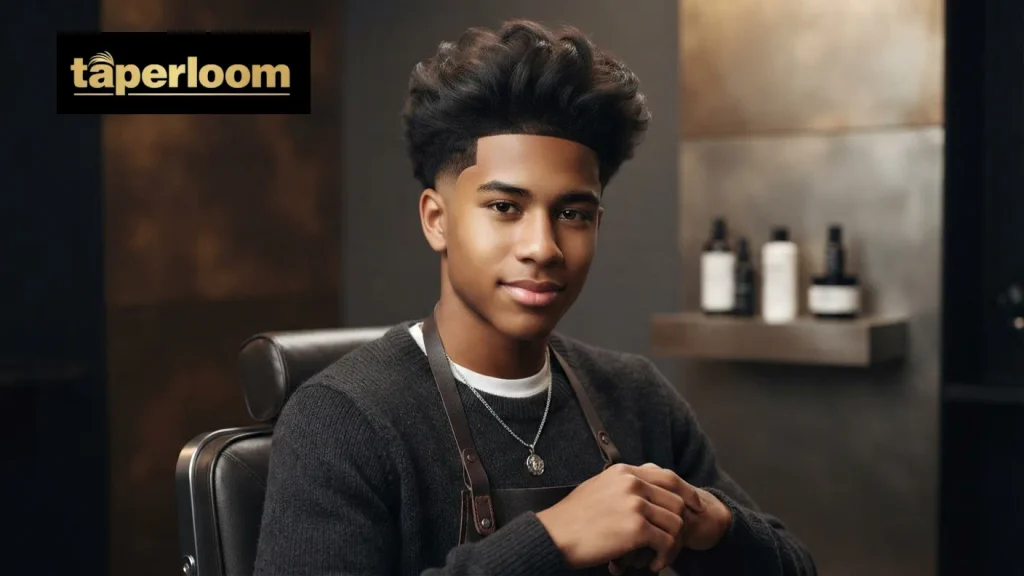
Fine hair goes flat fast without help the trick here is building volume from the root, not relying on length alone.
- Best for: Fine or thin hair density
- Styling tip: Blow-dry upside down first, then set with a light-hold spray
- Product: Light hold finishing spray
19. Low Taper Fade with Textured Fringe
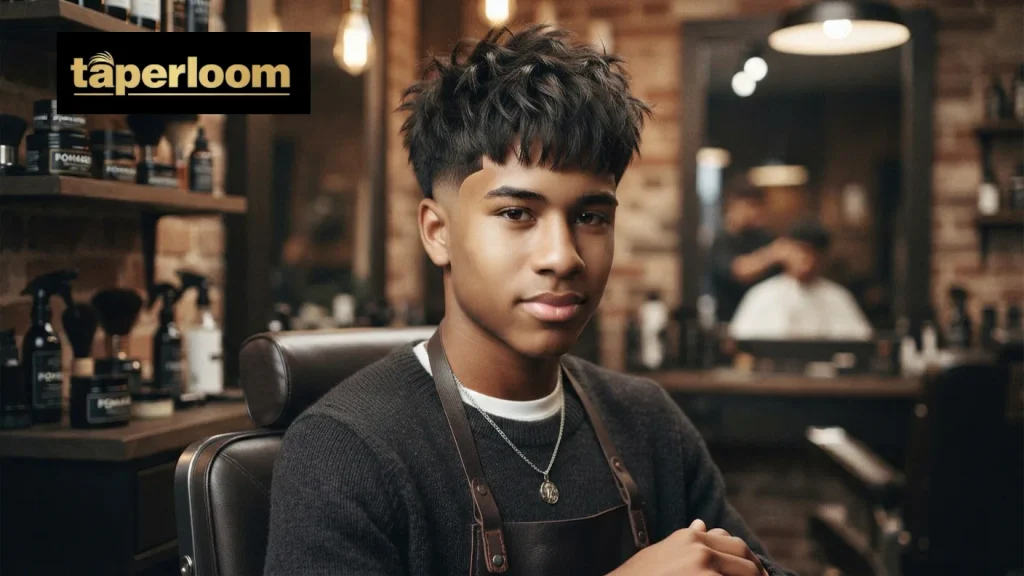
A shorter, choppier take on the fluffy fringe textured ends instead of a full, soft fall, giving it a slightly edgier finish. For the full breakdown of this specific style, check our Textured Fringe With Low Taper Fade guide.
- Best for: Straight to wavy hair, men who want a defined fringe
- Styling tip: Point-cut ends with your barber, then apply a small amount of clay for texture
- Product: Texturizing clay
20. Low Taper Fade Curtain Fringe
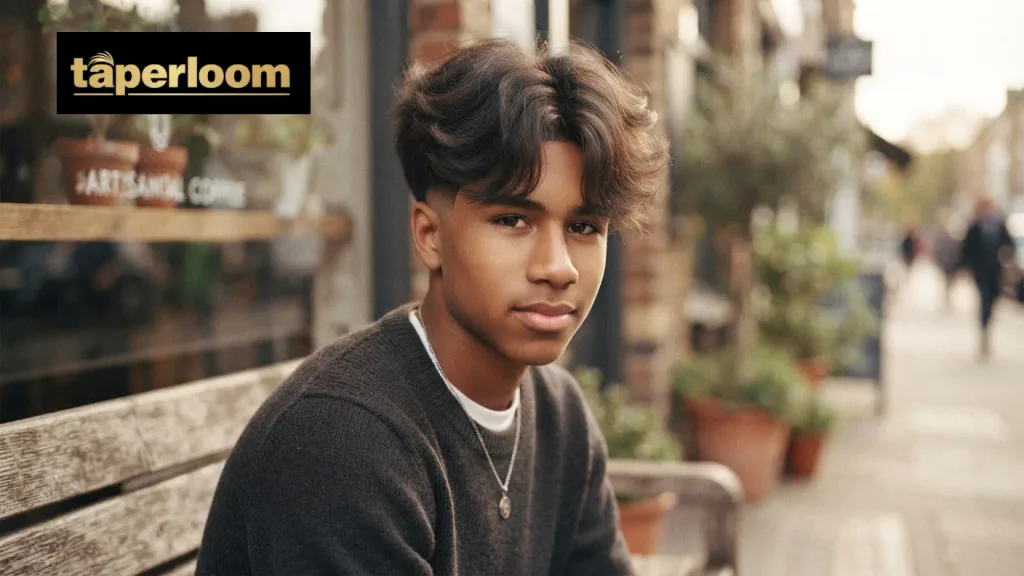
A softer cousin of the middle part the fringe falls in loose sections on either side rather than a hard center line, giving a more relaxed, undone look.
- Best for: Oval and heart-shaped faces
- Styling tip: Blow-dry outward from the crown, letting the ends fall naturally
- Product: Root lifting spray
21. Low Taper Edgar Cut with Fluffy Top
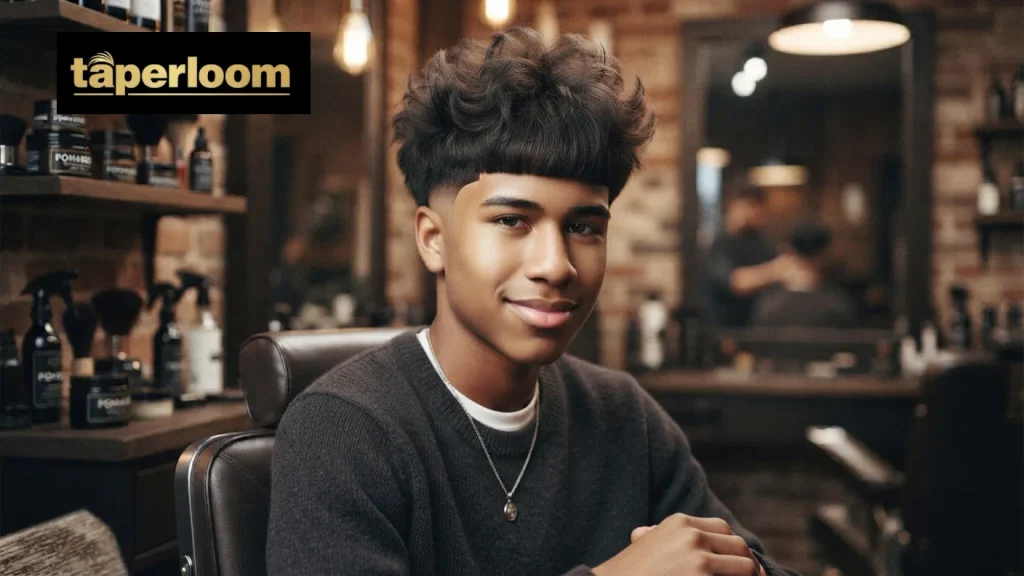
A straight-across fringe meets a soft, voluminous top structured up front, relaxed everywhere else. The low taper keeps it from looking too severe.
- Best for: Straight hair, men who want a defined, geometric fringe line
- Styling tip: Keep the fringe blunt at the barber, style the rest loosely with cream
- Product: Light styling cream
22. Low Taper Fade with Highlighted Fluffy Top
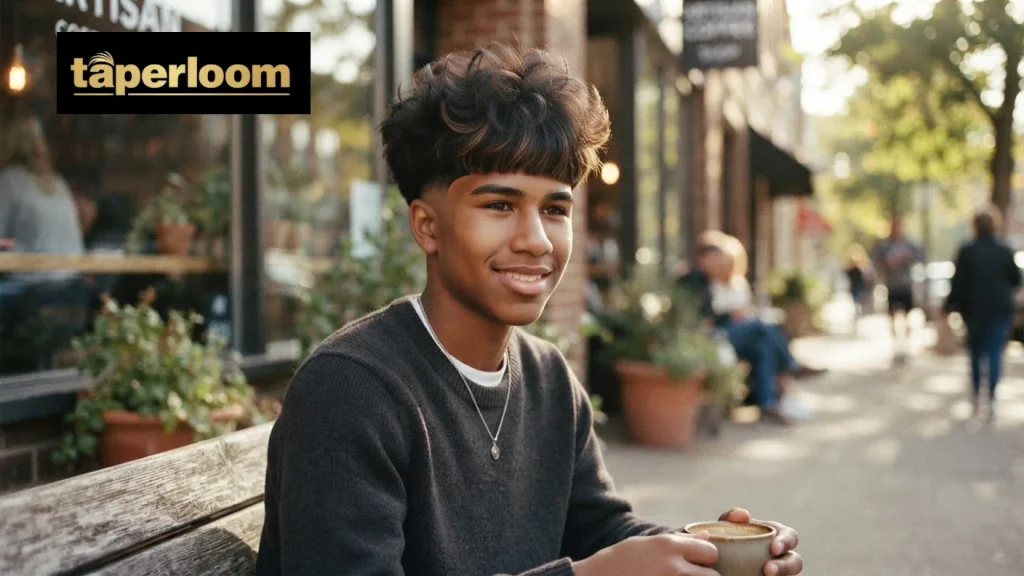
Subtle highlights or a lighter tone on top adds depth and makes the volume more visible against the darker, clean sides.
- Best for: Men wanting a low-commitment color update
- Styling tip: Ask for face-framing highlights rather than an all-over lift to keep it low-maintenance
- Product: Color-safe styling cream
23. Low Taper Fade Mullet-Fluffy Hybrid
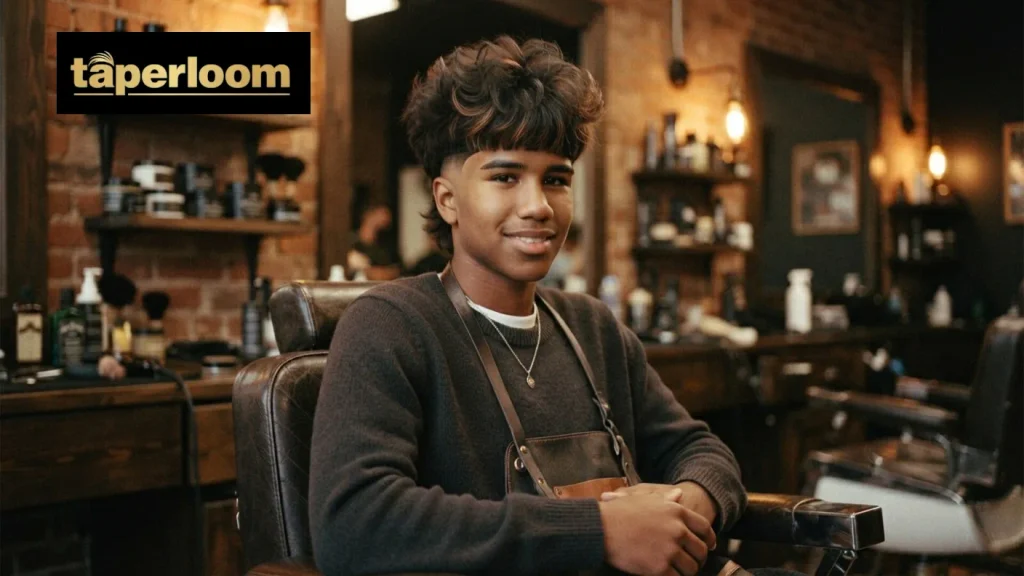
A shorter, modern mullet influence at the back meets a fluffy top up front more length overall, but the low taper keeps the sides from feeling dated. See the full range of options in our Low Taper Fade Mullet Haircuts guide.
- Best for: Men who want a statement cut with more length options
- Styling tip: Style the top forward and let the back sit loose, no heavy product needed
- Product: Texturizing paste
24. Business-Casual Fluffy Taper Fade
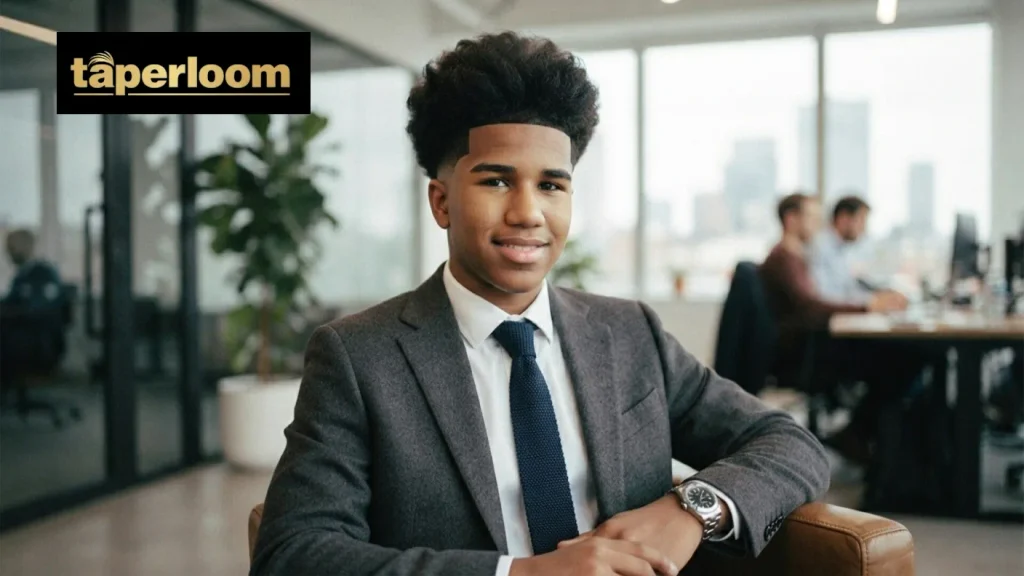
A toned-down version built for the office shorter top length, less volume than the blowout styles, but still visibly textured rather than flat.
- Best for: Professional settings, men who need a polished everyday look
- Styling tip: Blow-dry with light tension using a paddle brush, finish with a matte pomade
- Product: Matte pomade
25. Low Taper Fade with Natural Air-Dried Fluffy Hair
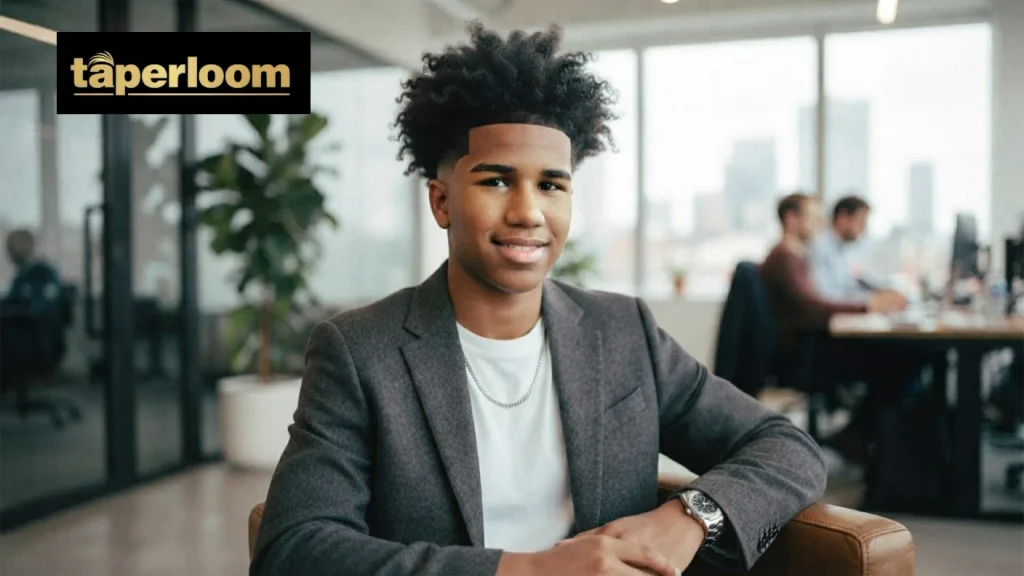
No heat, no round brush just product applied to damp hair and left to dry naturally. The lowest-effort version on this list, and still fully intentional-looking thanks to the clean taper underneath.
- Best for: Men who want a no-fuss, everyday routine
- Styling tip: Apply a leave-in cream to towel-dried hair and let it air dry without touching it
- Product: Leave-in styling cream
How to Ask Your Barber for This Cut
Walking in and saying “low taper fade fluffy hair” is a good start, but barbers work off specifics fade height, guard numbers, top length. Here’s exactly what to say to get the result you actually want.
Say this at the chair:
“I’d like a low taper fade start the fade about an inch to an inch and a half above my ear, and blend it down to the neckline. Keep the top long, around 4 to 5 inches, with internal layering so it stays light and fluffy instead of heavy. No skin fade I want it to stay soft, not shaved down to the scalp.”
Break it down into four things your barber needs to know:
- Fade start point — “an inch to an inch and a half above the ear,” not just “low”
- Top length — give a number in inches, not “kind of long”
- Texture, not weight — ask for internal layering or thinning shears if your hair is thick
- Finish line — specify a soft blend at the neckline, not a hard shaved line
Bring reference photos. Show a front view, a side view, and a back view this removes any guesswork about what “fluffy” means to you specifically. Two people can say the same words and mean completely different lengths.
A quick script for the whole conversation:
- Show your reference photos first, before they start cutting
- Say the exact fade height you want, in inches above the ear
- Confirm the top length you want to keep
- Ask them to check in with you before removing more than an inch of length on top
- Request a clean lineup around the ears and neckline to finish
If your barber ever says “I’ll just take a little off and see how it looks” without confirming a length first — stop and ask them to commit to a number. That’s usually how a fluffy top turns into a short one by accident.
Styling Routine (Step-by-Step)
Getting the fluffy look right takes about 5 to 10 minutes once you know the order to do things in. Skip a step especially the root-lifting one and the volume falls flat by midday no matter how good the haircut is.
- Towel-dry until damp, not wet (30 seconds) — hair that’s still dripping won’t hold volume no matter what product you add. Squeeze out excess water with a towel until it’s just damp.
- Apply a root-lifting or volumizing product (30 seconds) — work a small amount into the roots specifically, not the ends. This is what creates lift, and skipping it is the most common reason fluffy styles fall flat.
- Blow-dry upward and away from your head (3-4 minutes) — use your fingers or a round brush to lift hair at the roots while drying. Work in sections rather than trying to dry everything at once.
- Diffuse if you have wavy or curly hair (2-3 minutes) — switch to a diffuser attachment on low heat to protect your natural wave or curl pattern instead of blowing it straight.
- Add a finishing product once hair is 90% dry (30 seconds) — texturizing paste, matte clay, or a light cream, depending on your hair type. Adding it too early weighs hair down before it’s had a chance to lift.
- Scrunch or tousle with your fingers, don’t comb it flat (30 seconds) — a comb removes the texture you just built. Fingers keep the separated, airy look intact.
Quick product guide by hair type:
| Hair Type | Step 2 Product | Step 5 Product |
| Straight | Root lifting spray | Light styling cream |
| Wavy | Sea salt spray | Texturizing paste |
| Thick | Volumizing mousse | Matte clay |
| Fine | Volumizing mousse | Light hold spray |
| Curly | Curl-enhancing cream | Curl cream |
One thing to avoid: heavy gels and waxes. They give hold, but they weigh the top down and kill the “fluffy” effect the cut is built around.
If you need more hold, layer a light spray over a lightweight cream instead of reaching for something heavier.
Maintenance & Grow-Out Timeline
The fluffy top grows out gracefully and just gets a bit longer and softer the sides are what need attention. Here’s what to expect week by week, and what to actually do about it.
- Week 1 — the fade is at its sharpest. Sides sit clean against the skin, top has full volume and definition. No maintenance needed beyond your normal styling routine.
- Week 2 — the fade starts softening slightly, especially around the ears. Still looks intentional, but you’ll notice the contrast between sides and top isn’t as crisp. Good point to trim stray hairs around the ears and neckline with a trimmer if you’re stretching the cut out.
- Week 3 — the taper has mostly grown out into a softer blend, and the top has extra length that can actually work in your favor more styling options, slightly more weight for a heavier fluffy look. This is typically when barbers recommend rebooking.
- Week 4+ — without a trim, the low taper starts to lose its shape and reads more like an overgrown haircut than an intentional soft blend. The top will need more product to keep the same lift since added length pulls volume down.
Between-visit maintenance:
- Use a trimmer at home to clean up the neckline and around the ears if you’re pushing past week 3
- Wash 2-3 times a week with a moisturizing or volumizing shampoo — washing daily strips the natural oils that help hold texture
- Use a lightweight conditioner only — heavy conditioners flatten the fluffy texture over time
- Brush or comb gently once a day to prevent tangling at the roots, but style with your fingers, not the comb
The one rule that matters most: the taper grows out faster-looking than the top does, simply because it’s shorter to begin with.
If you’re trying to stretch time between cuts, expect the sides to need attention before the top does.
Cost Guide
What you pay depends more on where you get it done than on the haircut itself a low taper fade fluffy hair cut isn’t inherently more expensive than a standard fade, but it does take more time and skill to blend properly, which shows up in the price at higher-end shops.
| Barber Tier | Typical Price Range | What’s Included |
| Budget barbershop / walk-in chain | $15-$25 | Fade + basic top trim, minimal consultation |
| Standard neighborhood barbershop | $25-$45 | Fade + shaping on top + basic styling |
| Premium barbershop / grooming lounge | $45-$75 | Fade + internal layering + consultation + styling with product |
| Salon or master barber | $75-$120+ | Full consultation, precision layering, wash, styling, sometimes a hot towel finish |
A few things that can push the price up:
- Internal layering on thick hair — this takes more time than a basic trim and is often billed as an add-on at mid-range shops
- Color or highlights — if you’re adding depth to the fluffy top, expect this as a separate service, usually $40-$100+ depending on the shop
- First-time consultation — some premium barbers charge slightly more for a first visit that includes a longer consultation
Worth knowing: the fade is the harder part to get right, not the top. If you’re choosing where to spend more, prioritize a barber with strong fade reviews over one who just does a good trim a bad blend on the sides is much more noticeable than a slightly uneven top.
Expert Barber Tips + Credentialed Quote
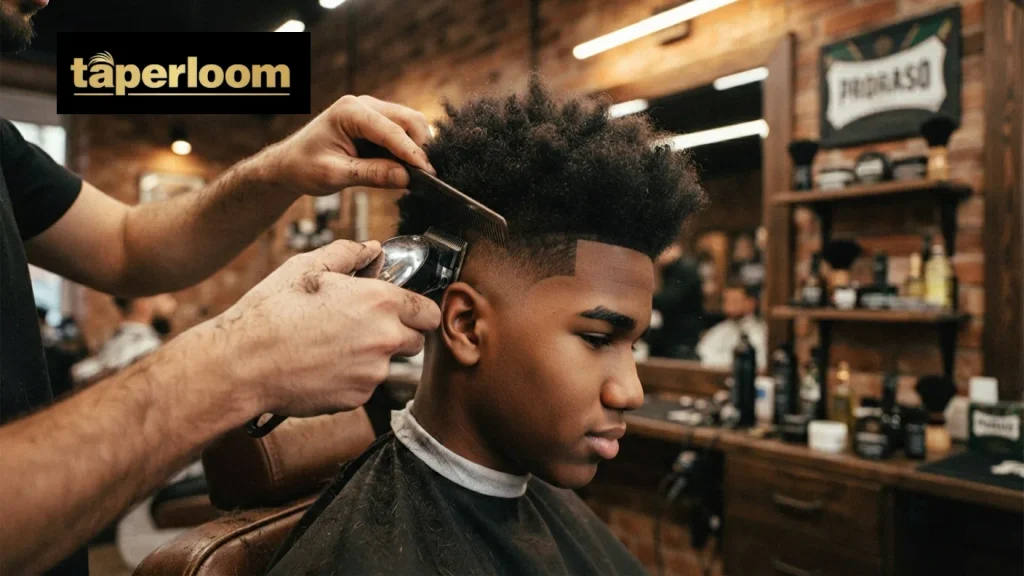
Getting a clean low taper fade fluffy hair cut comes down to a few technical details that separate a great result from an average one. These are the same points experienced barbers typically check for before they ever pick up clippers.
- Ask about “half guards” and lever play — this is the technique barbers use to blend the fade smoothly instead of leaving visible jump lines between guard lengths. If a barber only uses whole guard numbers with no blending pass, the fade can look stepped rather than gradual.
- Internal layering matters more than length — two people can both ask for “4 inches on top” and get completely different results depending on whether the barber layers underneath. Layering removes weight from inside the hair without shortening the visible length, which is what actually creates the fluffy effect.
- The neckline finishes the look — a soft, natural taper with a sloppy neckline still looks unfinished. Ask for a clean line around the ears and at the nape, even on a low-contrast fade.
- Wet hair hides the real length — if your barber is cutting the top while it’s soaking wet, ask them to check the length again once it’s dry. Wet hair looks longer than it dries to, especially on wavy or curly types.
- Your hair’s natural fall matters — a good barber will ask which way your hair naturally wants to move before cutting, then cut with that pattern instead of against it. Fighting your hair’s natural direction is the most common reason a fluffy style doesn’t hold its shape.
A tip barbers often give clients: the low taper is one of the more forgiving fades if you can’t make it back in exactly three weeks it grows out softly instead of losing shape fast.
What actually makes or breaks the look isn’t the fade at all, it’s the internal layering on top. That’s the difference between hair that just sits there and hair that moves naturally.
FAQ Section
Does low taper fade work with fluffy hair?
Yes — the low taper is actually one of the best fade choices for fluffy hair because it stays subtle and lets the volume on top be the focus, rather than competing with it.
How do I ask my barber for a low taper fade with a fluffy top?
Ask for the fade to start 1-1.5 inches above the ear, blended down to the neckline, with 4-5 inches of internally layered hair kept on top. Bring reference photos to remove any guesswork.
How often should I get a low taper fade fluffy cut?
Every 2-3 weeks keeps the fade sharp the top can go longer between trims since it grows out gracefully without losing its shape.
Is low taper fade good for thin or fine hair?
Yes — the low taper removes bulk from the sides, which makes fine hair on top look fuller by comparison. Volumizing mousse at the roots helps carry the look between cuts.
What’s the difference between low taper and high taper for fluffy hair?
A low taper starts just above the ear for a subtle, low-contrast look, while a high taper starts near the crown for a bold, more dramatic contrast against the same fluffy top.
Can straight hair pull off the fluffy taper fade look?
Yes — straight hair looks especially clean in this cut when styled with a root-lifting spray and blow-dried upward, since it holds a smooth, lifted shape well.
Does this haircut work for school or office settings?
Yes — the low taper keeps the sides polished and professional, while the top can be styled shorter and neater for formal settings or fuller and more relaxed for casual days.
Conclusion
Low taper fade fluffy hair works because it doesn’t try too hard clean, quiet sides and a soft, voluminous top that does the talking.
Whether you’re picking it for school, the office, or just because you’re tired of the same flat haircut, the version that works best for you comes down to two things: your hair type and how much volume you actually want to deal with day to day.
Start with the fade height and top length script from the “How to Ask Your Barber” section above, bring a couple of reference photos, and don’t be afraid to ask your barber to check in before they take off more than you wanted.
The cut is forgiving between visits even at three weeks past due, it still holds its shape better than most fades.
Related guides:
- Low Taper Fade Buzz Cut: 25 Styles, Guard Chart, Costs & Complete Barber Guide
- 70+ Low Taper Fade Designs for Men: Complete Barber Guide
- Low Taper Fade Blonde Hair: 22 Best Styles, Shades & Barber Guide (2026)
- Low Taper vs Low Fade: The Real Difference, Explained by a Barber

Muhammad Kaleem is a content creator who writes about hair care, hairstyles, grooming, and everyday hair trends. He enjoys turning hair-related topics into simple, practical, and easy-to-understand content that helps readers make informed choices about their hair and personal style.