
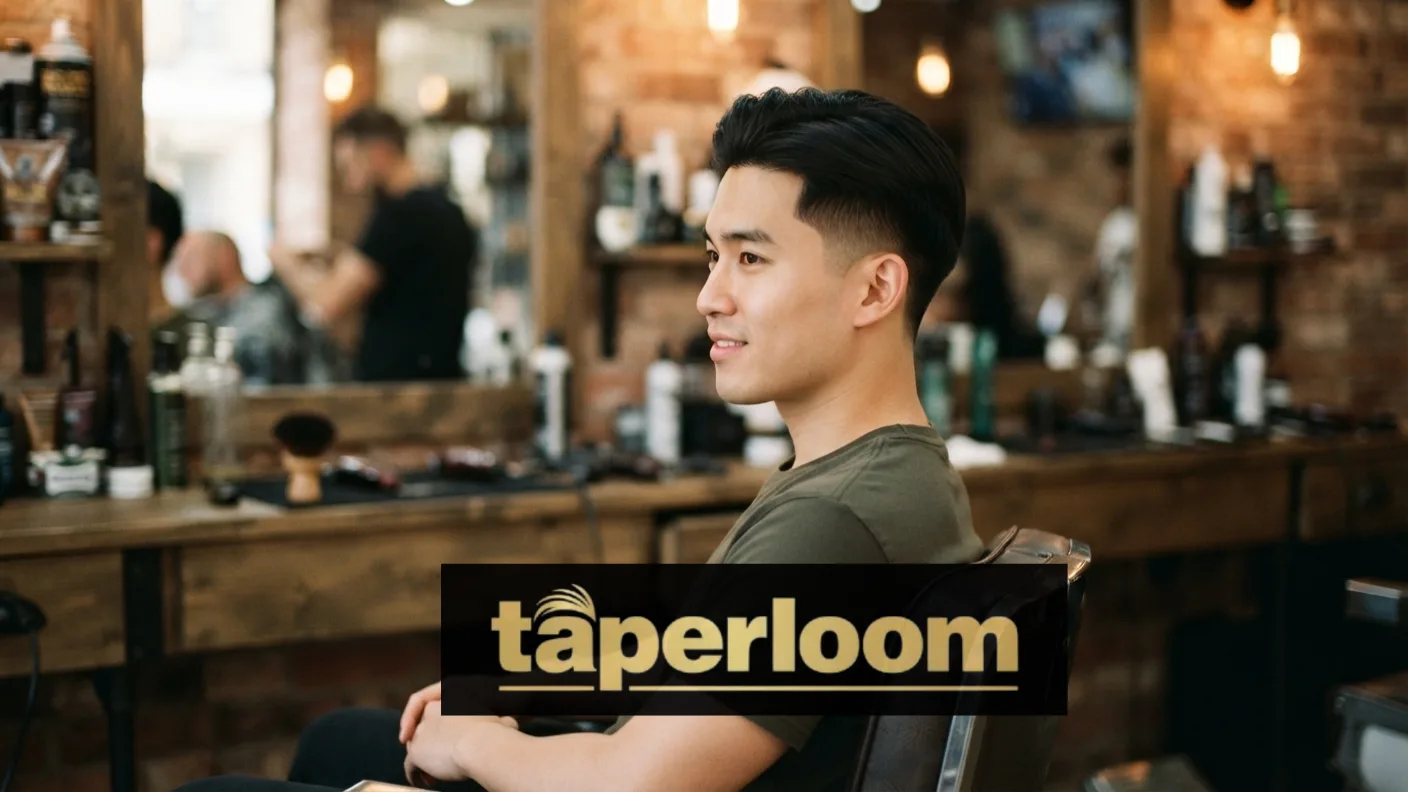
A low taper fade straight hair cut keeps things simple: short, blended sides that fade low near your neckline, with enough length on top to actually style. It’s one of the easiest low-maintenance haircuts to live with, because straight hair holds a clean fade line without fighting you every morning.
Whether you want a short straight hair fade, a longer textured top, or something in between, this guide breaks down every version, how to ask your barber for it, and how to keep it sharp between trims, without wasting your time on stuff that doesn’t actually matter.
What Is a Low Taper Fade on Straight Hair?
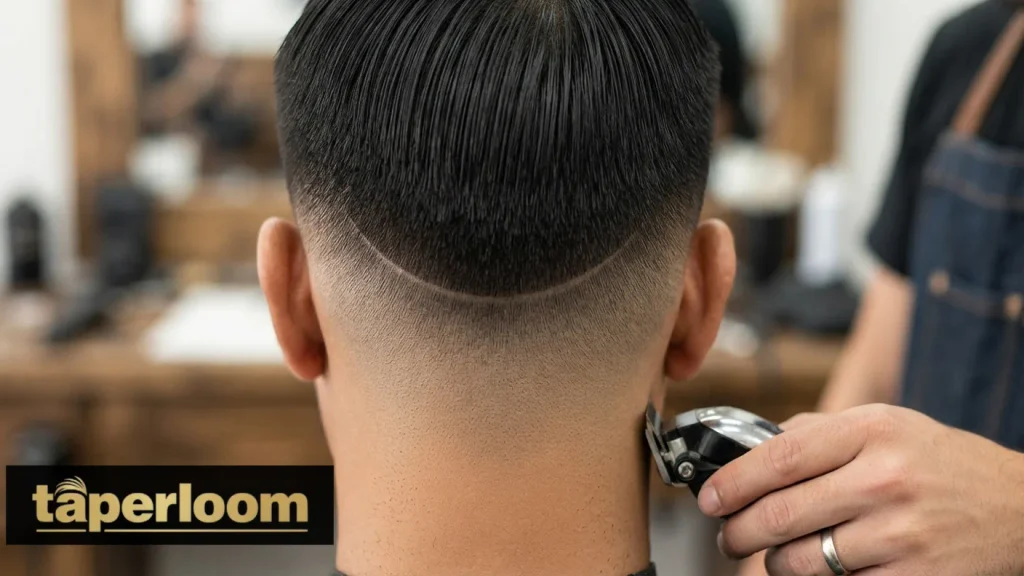
A low taper fade on straight hair is a haircut where the sides and back gradually get shorter toward the neckline and around the ears, while the top stays noticeably longer. The blend starts low, closer to the bottom of the head, instead of climbing up toward the temples like a mid or high fade.
On straight hair, this fade line reads cleaner than on curly or wavy textures, since there’s no frizz breaking up the transition.
That’s the core reason this cut pairs so well with straight strands: the gradual blend stays sharp, and the longer top gives you room to actually style it, side part, slick back, textured, whatever fits your day.
It’s different from a full low fade, which removes more bulk higher up the sides. A taper is more subtle, grows out slower into an awkward stage, and needs less frequent barber visits to stay looking right.
Why It Works for Straight Hair
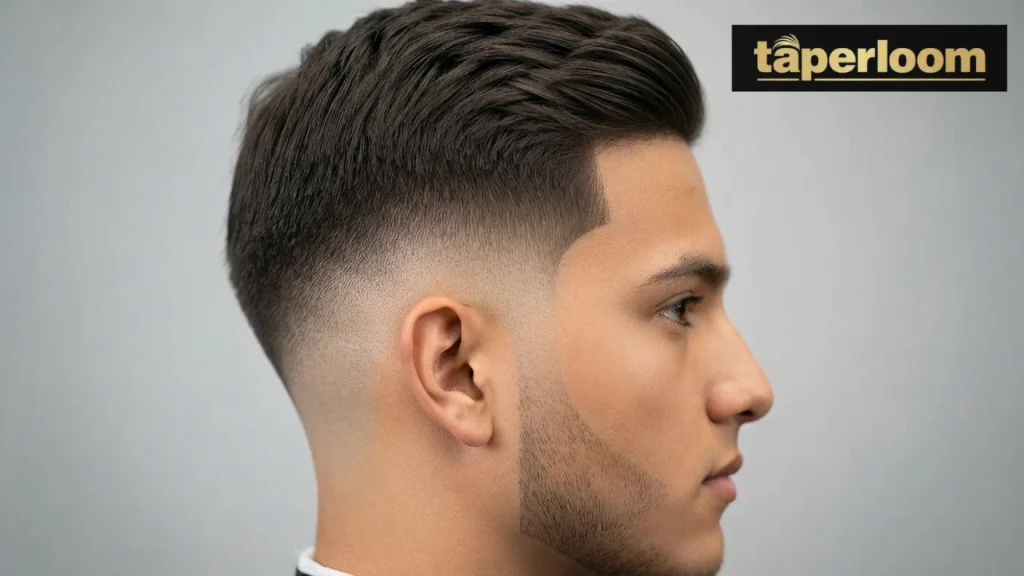
Straight hair and a low taper fade are a natural match, and there are real reasons why.
The fade line stays crisp. Straight strands lie flat, so the transition between short and long hair shows up clean instead of getting blurred by curl pattern or frizz.
Product sits on top instead of soaking in. Straight hair doesn’t absorb product the way curly or coily textures do, so a small amount of pomade or light hold gel goes further and lasts longer through the day.
It grows out without looking messy. Because the taper sits low, straight hair doesn’t flop over the fade line as it grows. You get more time between trims before it looks like it needs one.
It works with almost any top length. Short, long, textured, slicked back. Straight hair adapts to most styling choices, so the same base cut can look completely different depending on how you finish it.
Face Shape & Hair Type Guide
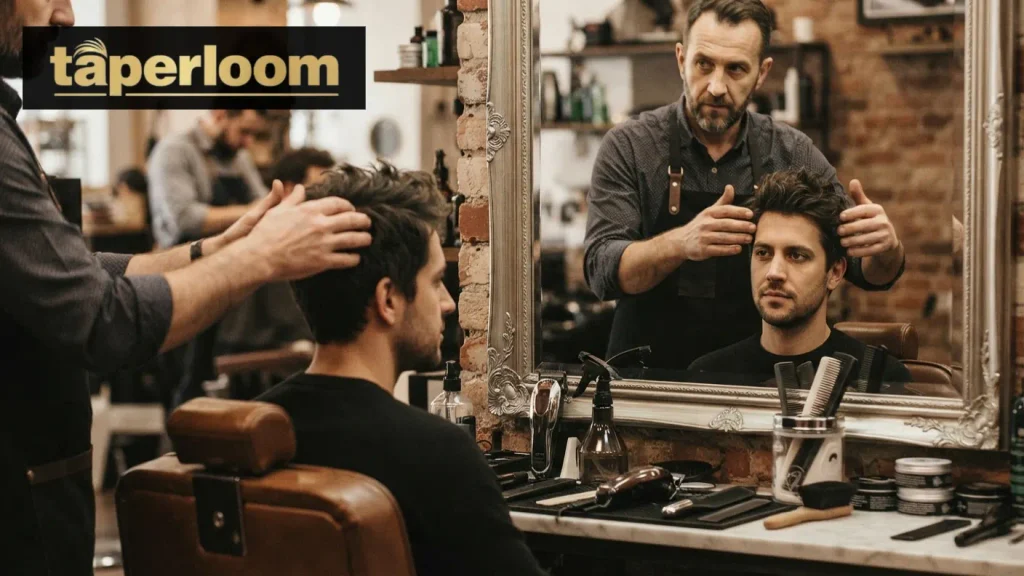
Not every version of this cut suits every face or hair type the same way. Here’s a quick reference before you sit in the chair.
| Face Shape | Best Fit | Why It Works |
| Round | Longer top with height (blowout, textured fringe) | Adds vertical length, balances width |
| Square | Textured top, side part | Softens strong jawline without hiding it |
| Oval | Almost any variation, including short classic | Naturally balanced proportions give the most flexibility |
| Long/Rectangular | Shorter top, fuller sides | Avoids adding extra height that stretches the face further |
| Hair Type | Best Fit | Notes |
| Fine straight hair | Shorter top, light products | Heavy product weighs it down fast |
| Thick straight hair | Textured top, thinning shears on request | Removes bulk without losing shape |
| Color-treated/blonde | Gradual blend, not a hard line | Harsh fade lines look more obvious next to lighter tones |
Use this as a starting point, not a strict rule. Your barber can adjust based on how your hair actually behaves, not just how it looks in the mirror.
Style Variations
There’s more than one way to wear this cut. Here are the most requested versions, and what makes each one work.
Low Taper Fade with Long Hair
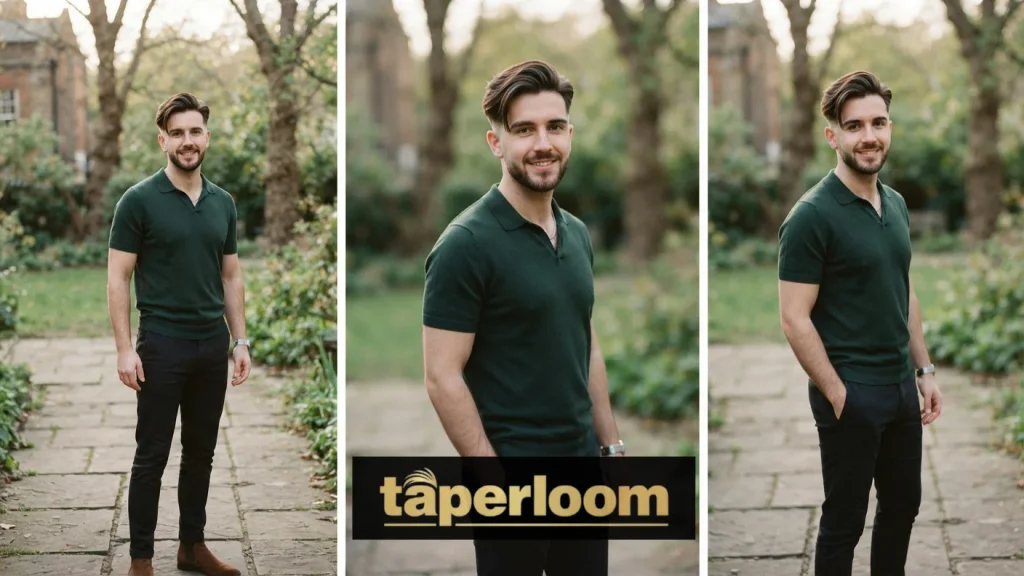
A longer top gives you room to style it differently every day, side part one morning, slick back the next, while the low taper keeps the sides controlled underneath.
This version needs slightly more upkeep on top (a light sea salt spray or gel), but the sides stay low-maintenance since the taper grows out slowly.
Low Taper Fade for Boys
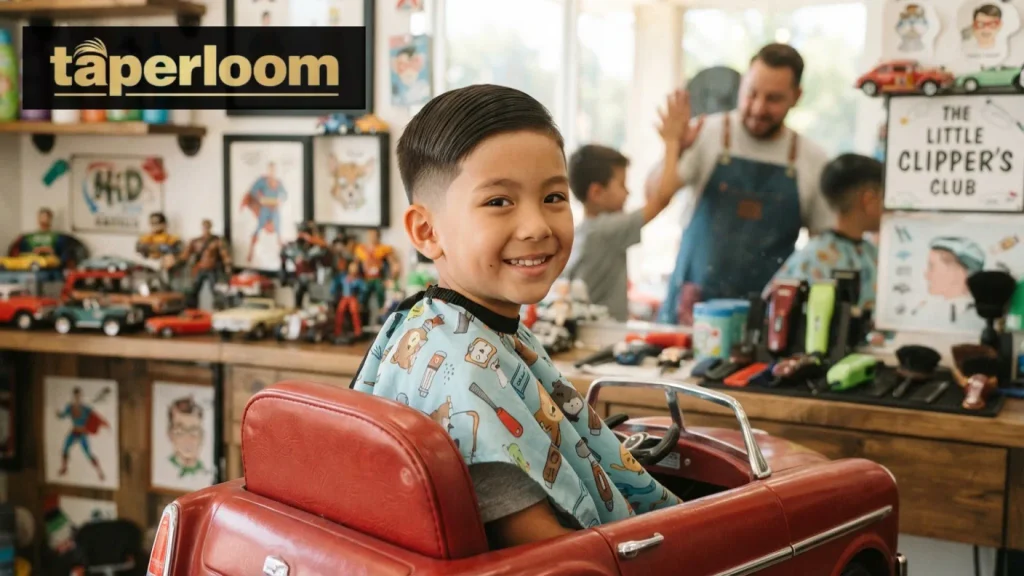
Kids need a cut that survives recess and doesn’t require a styling routine. This version keeps the top short enough to comb in seconds, with a soft taper that doesn’t create a hard line as their hair grows fast between visits.
Straight hair makes it even easier since it doesn’t tangle mid-day.
Low Taper Fade Textured Fringe
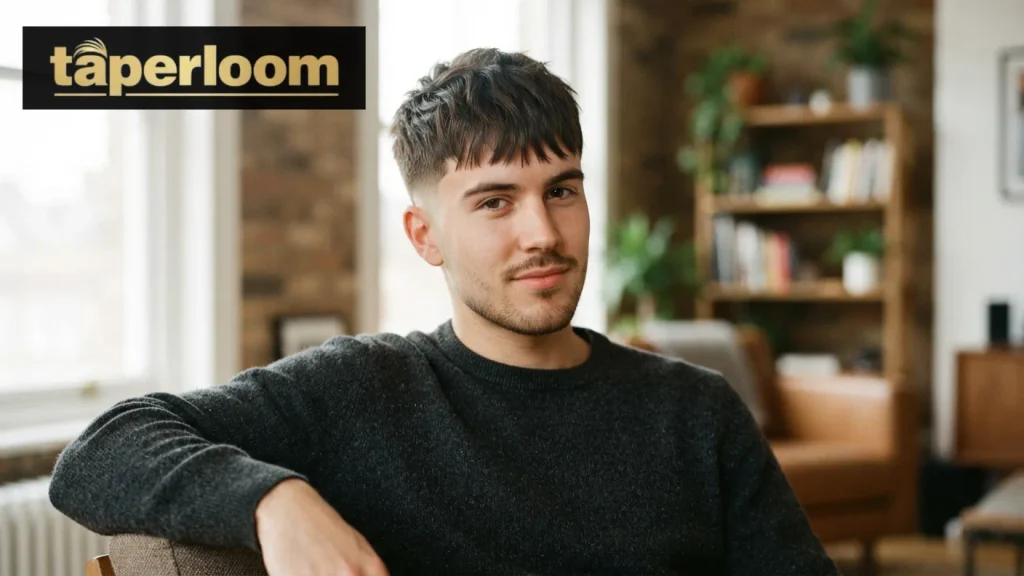
The fringe (front section) is cut into choppy, uneven pieces and worn forward, while the taper stays tight and low.
It gives the cut movement without needing heavy product to fake texture that isn’t naturally there. Point cutting on the fringe softens the edges so it doesn’t look blunt.
Blowout Taper Fade

This version uses a blow dryer and round brush to lift the top for extra height and volume, while the low taper keeps the sides tight underneath.
Straight hair responds well to blow drying, so the lift holds better than it would on curlier textures. A volumizing mousse before drying helps it last through the day.
Blonde Low Taper Fade
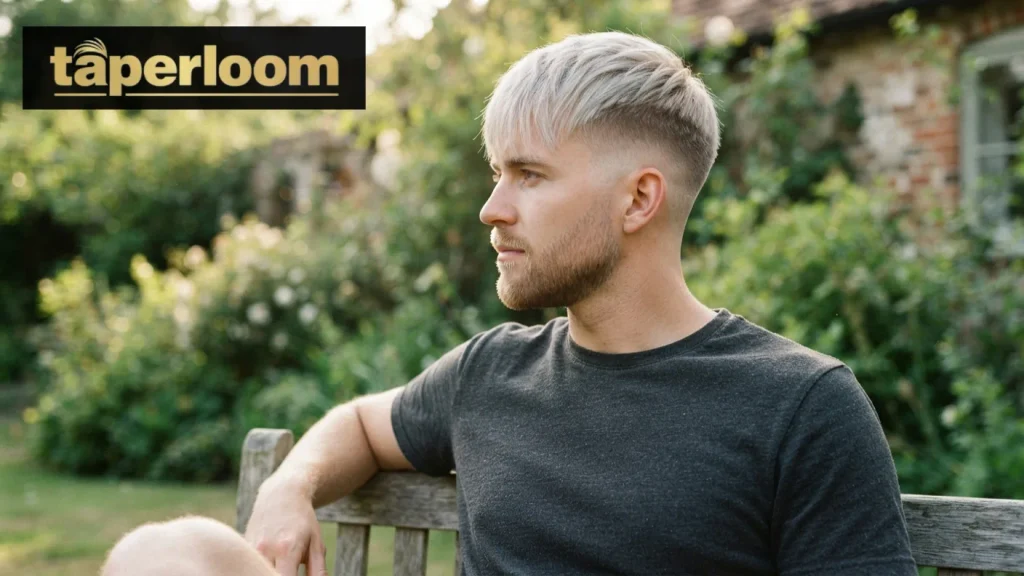
Lighter hair on top makes the fade line stand out more, since there’s stronger contrast between the color and the shorter sides.
If you’re keeping the color, plan on a purple shampoo to manage brassiness and more frequent color touch-ups to keep it looking intentional. Ask your barber to blend gradually around the color, since harsh lines look more obvious against lighter tones.
Men’s Low Taper Fade

This is the version most guys land on for everyday wear. It works in a meeting and still looks fine on a Saturday morning coffee run.
A #1 or #2 guard on the sides with light pomade on top keeps it clean without looking overdone.
Low Taper Fade for Kids

Younger kids need something even softer than the boys’ version, no hard skin lines, just a gentle blend that ages well between cuts.
Straight hair brushes out fast on school mornings, so a light, tear-free gel is enough to keep it looking neat without a full styling routine.
Low Taper Fade Short Hair
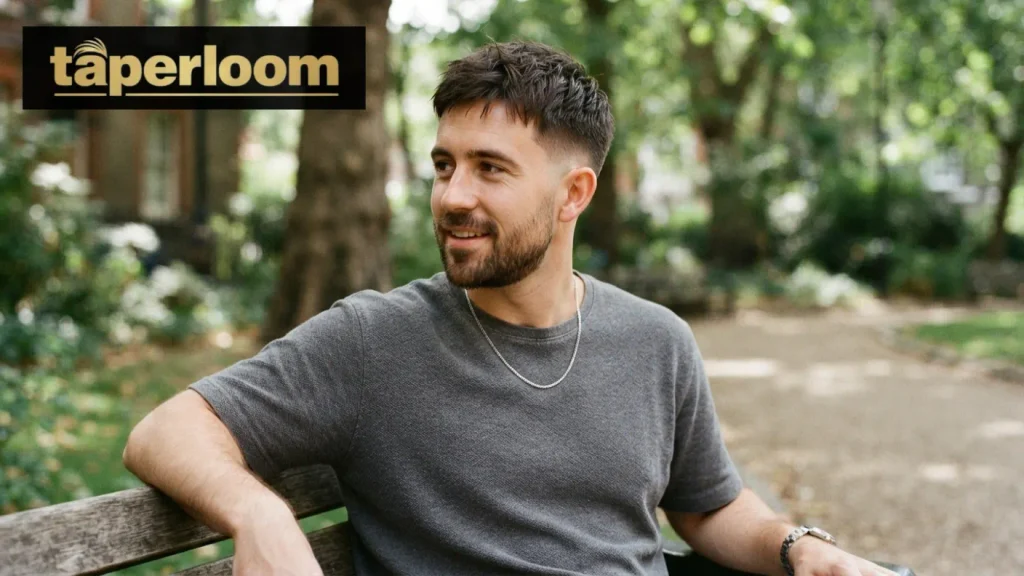
Short on top, low on the sides, done in under a minute most mornings. There’s barely any styling involved beyond a quick finger run or comb through.
A matte paste adds a bit of texture and definition if you want more than a flat finish.
Messy Top Low Taper Fade

Not everyone wants a perfectly combed look. This version keeps the top styled with texturizing powder for grip, then worked with fingers instead of a comb for a relaxed, undone finish. Straight hair actually holds this shape well since it won’t frizz or curl out of place through the day.
Burst Fade Straight Hair
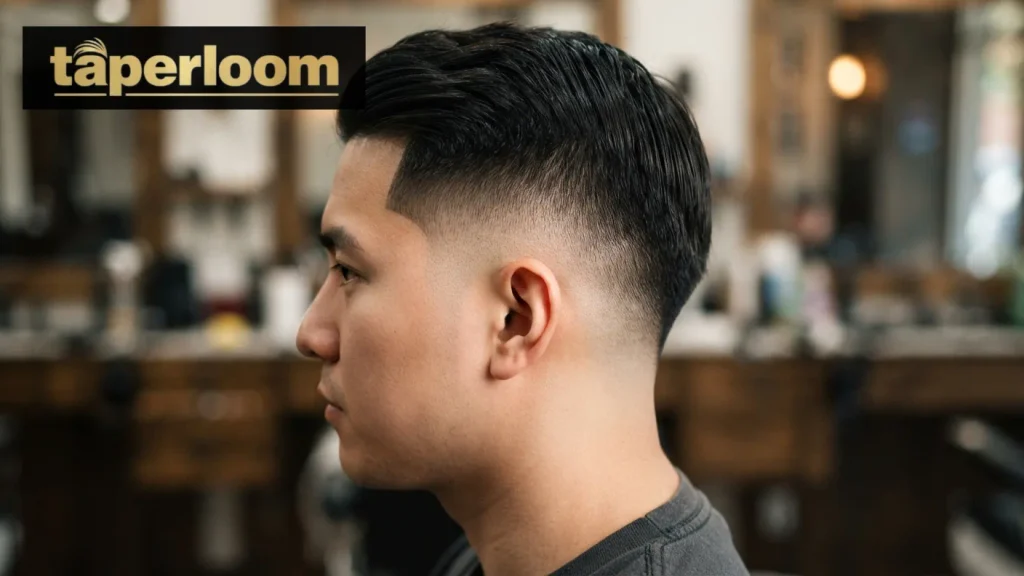
Instead of a straight fade line, the taper curves around the ear in a semicircle. It’s a small detail that makes the cut feel more custom, and straight hair shows that curve clearly since there’s no texture breaking up the line.
This one needs a barber who can shape the curve cleanly, since a sloppy burst is hard to fix without growing it out.
Low Taper Fade Thick Straight Hair
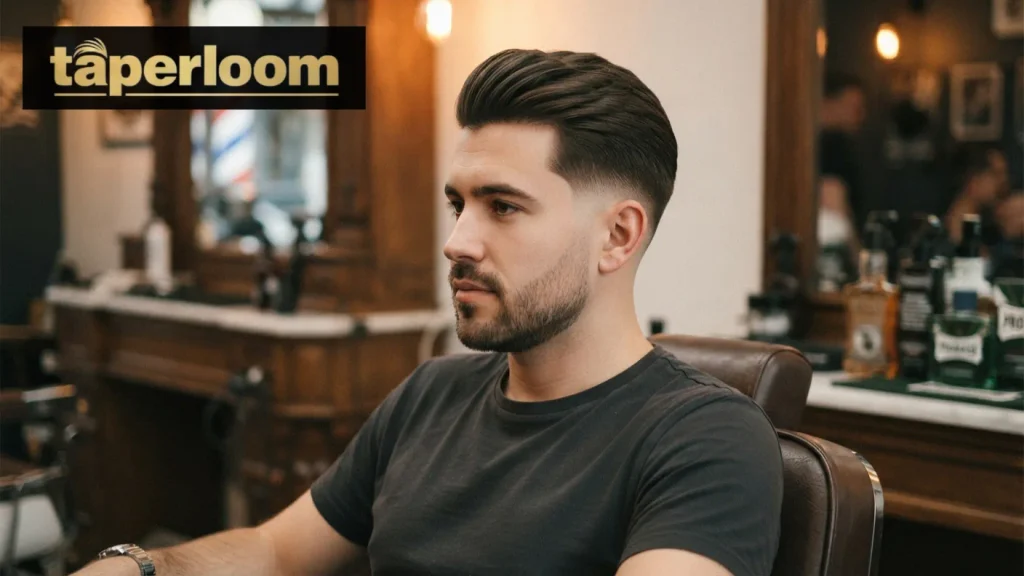
Thick hair holds shape well on top, and the low taper keeps the sides from looking bulky or overgrown.
Ask for thinning shears if you want length without the extra weight, and stick to cream-based products that control thickness without stiffening it.
Textured Top Straight Hair

A textured finish adds movement on top while the taper stays sharp underneath.
Straight hair takes texture well with the right cutting technique, razor texturizing in particular creates a piecey look without needing much product to hold it.
How to Ask Your Barber
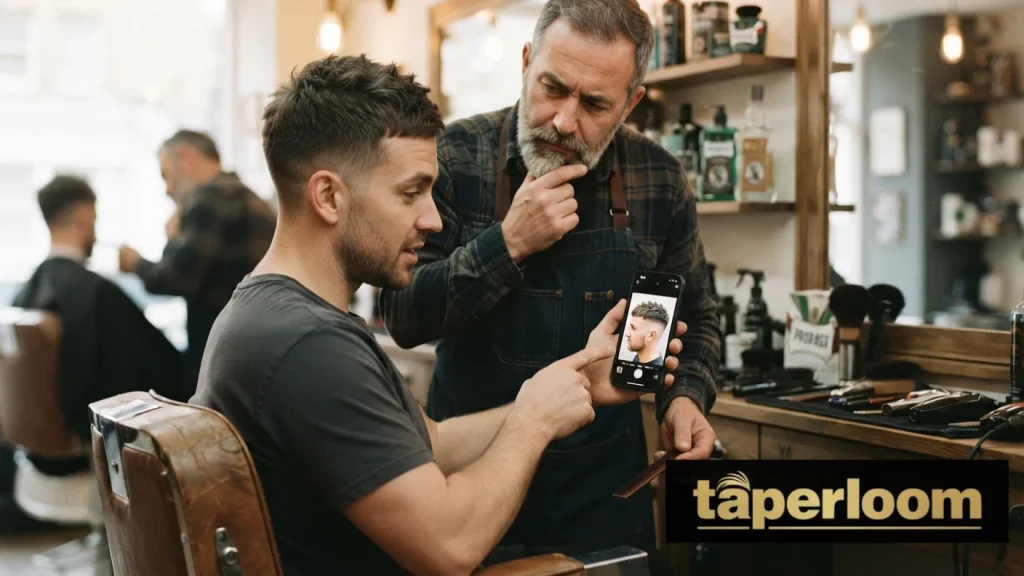
Most disappointing haircuts come down to unclear communication, not a bad barber. Being specific about where the fade starts and how much length you want on top makes a real difference.
A general script you can use as a starting point:
“I’d like a low taper fade, keep it low around the sideburns and neckline, and blend it upward gradually. Leave the top [length] so I can style it [how].”
Adjust based on the version you want:
- For a classic short cut: “Keep the top short, maybe an inch or two, and the taper low and tight. Nothing too high on the sides.”
- For a longer top: “Leave more length at the crown so I can slick it back or side part it. Just taper the bottom low, don’t take much off the sides.”
- For a blowout: “I want volume on top for a blowout, so leave enough length there. Keep the taper low and clean underneath.”
- For textured fringe: “Point cut the front for texture and leave it long enough to style forward. Taper stays low and tight at the neck.”
- For thick hair: “Thin out the top with shears so it’s not bulky, but don’t shorten it too much. Low taper on the sides.”
A few extra tips that help regardless of the version:
- Bring a photo. It communicates length and shape faster than words can.
- Say the number if you know it. A #1 or #2 guard is clearer than “short.”
- Mention your hair type. Thick, fine, or color-treated hair changes how the barber approaches the blend.
Common Mistakes to Avoid
A few small errors turn this cut from sharp to sloppy, and most of them are easy to avoid once you know what to watch for.
- Letting the fade grow out too long. The taper grows out faster than the top, so waiting too long between trims makes the blend look patchy instead of clean.
- Asking for “low” without specifics. Low means different things to different barbers. Point to where you want the fade to start, or reference a guard number, so there’s no guesswork.
- Using heavy product on fine straight hair. Waxes and thick pomades weigh fine hair down fast, flattening the exact volume you’re trying to create on top.
- Skipping product on thicker hair. Thick straight hair can look shapeless without at least a light cream or paste to control it, even on shorter cuts.
- Going straight to a hard skin fade on kids. A harsh line looks more grown up than most parents want, and it doesn’t age as gracefully between cuts. A soft blend is usually the better call for younger kids.
- Ignoring face shape entirely. A blowout that adds height works great on a round face but can look unbalanced on an already long face. Matching the version to your face shape avoids a lot of regret in the chair.
Maintenance & Growout Timeline

The taper doesn’t grow out evenly, the fade zone grows in faster relative to how noticeable it is than the top does. Here’s roughly what to expect.
| Timeframe | What’s Happening | What To Do |
| Week 1 | Fade line is sharpest, top is freshly shaped | Light styling only, let the cut settle |
| Week 2 to 3 | Fade starts softening, top gains a bit more length and movement | Good window for a light trim if you want to keep it crisp |
| Week 3 to 4 | Fade blends further up, less contrast between sides and top | Last practical point for a clean touch up before it looks overgrown |
| Week 4+ | Sides start to lose definition, top may need extra product to hold shape | Full trim recommended to reset the taper |
Shorter, classic versions tend to need trims closer to the three week mark to stay sharp. Longer top styles can stretch a bit further since the length on top hides some of the fade softening underneath.
Product Guide by Hair Type
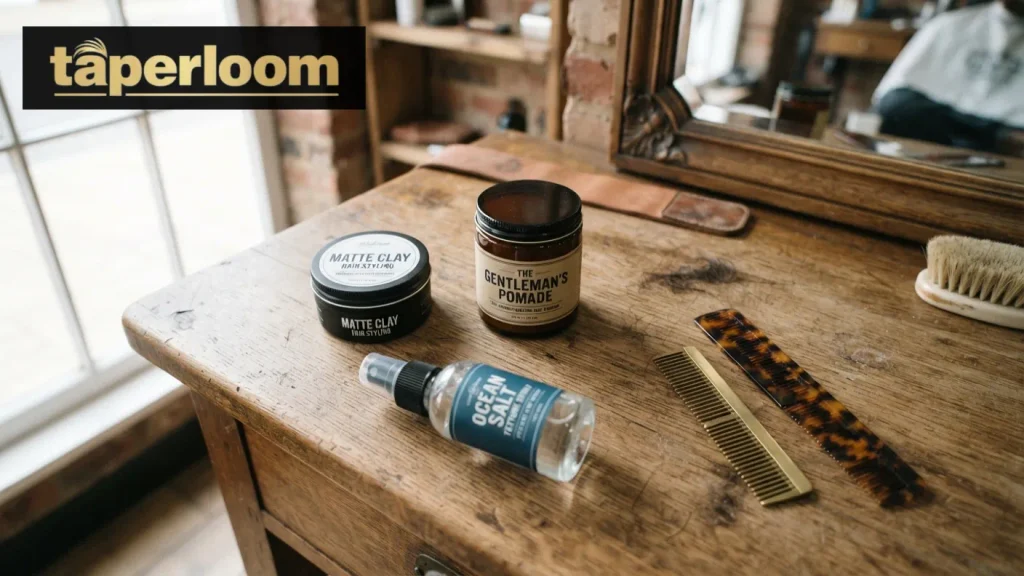
Not every product works the same way on straight hair, and the wrong weight can undo a good haircut fast.
| Hair Type | Recommended Products | Avoid |
| Fine straight hair | Light hold gel, sea salt spray | Heavy waxes, thick pomades (weigh hair down) |
| Thick straight hair | Matte clay, styling cream, strong hold wax | Light gels alone (won’t control bulk) |
| Textured/messy styles | Texturizing powder, texturizing clay | Slick pomades (kill the texture you’re going for) |
| Blowout/volume styles | Volumizing mousse before drying | Anything heavy applied pre blow dry |
| Blonde/color treated | Purple shampoo, lightweight styling cream | Products with heavy oils (can dull color) |
| Kids | Tear free gel, gentle styling cream | Strong hold wax, anything with alcohol |
As a general rule, lighter products suit finer or straighter strands, while creams and clays give thicker hair the control it needs without stiffening it. Waxes work best in small amounts, since they build up fast on straight hair.
FAQ
Is a low taper fade good for straight hair?
Yes. Straight hair shows a clean fade line clearly since there’s no frizz or curl breaking up the blend, and the top styles easily with minimal product.
What’s the difference between a low taper and a low fade?
A low taper only blends the very bottom of the sides near the neckline, while a low fade removes more length higher up the sides. The taper is more subtle and grows out slower.
How often should I get a low taper fade trimmed?
Most people need a trim every 2 to 3 weeks to keep the fade line sharp, though shorter classic versions may need it closer to every 3 weeks.
Can kids get a low taper fade?
Yes, with a softer blend and no hard skin line. It’s easy to maintain between school mornings since straight hair doesn’t tangle or frizz much.
What products work best for straight hair with this cut?
Light hold gel or sea salt spray for fine hair, and matte clay or cream for thicker hair. Heavier waxes tend to weigh straight hair down.
Does a low taper fade suit every face shape?
Mostly yes, but the version matters. Rounder faces benefit from more height on top, while longer faces usually look better with shorter, fuller styling.
Can I get a low taper fade on colored or blonde hair?
Yes, though the fade should blend gradually rather than with a hard line, since harsh contrast looks more obvious against lighter or color treated hair.
How do I ask my barber for this specific cut?
Be specific about where the fade starts (near the neckline and sideburns) and how much length to leave on top, ideally with a reference photo.
Conclusion
A low taper fade on straight hair works because it’s genuinely low effort for how sharp it looks. The fade stays clean, the top gives you room to style it however fits your day, and the growout is forgiving enough that you’re not back in the chair every two weeks.
Pick the version that matches your face shape and hair type, use the right product for your texture, and stay on top of trims every 2 to 3 weeks. That’s really all it takes to keep this cut looking intentional instead of overdue.
Next time you’re in the chair, bring a photo of the version you want and be specific about where the fade starts. That’s the difference between getting this cut right and getting something close to it.
Read Next: 27 Low Taper Fade Fringe Haircuts for Men Styles, Barber Specs, Cost & Styling Guide

Muhammad Kaleem is a content creator who writes about hair care, hairstyles, grooming, and everyday hair trends. He enjoys turning hair-related topics into simple, practical, and easy-to-understand content that helps readers make informed choices about their hair and personal style.
1 thought on “Low Taper Fade Straight Hair: Complete Guide, Styles & Barber Tips”