
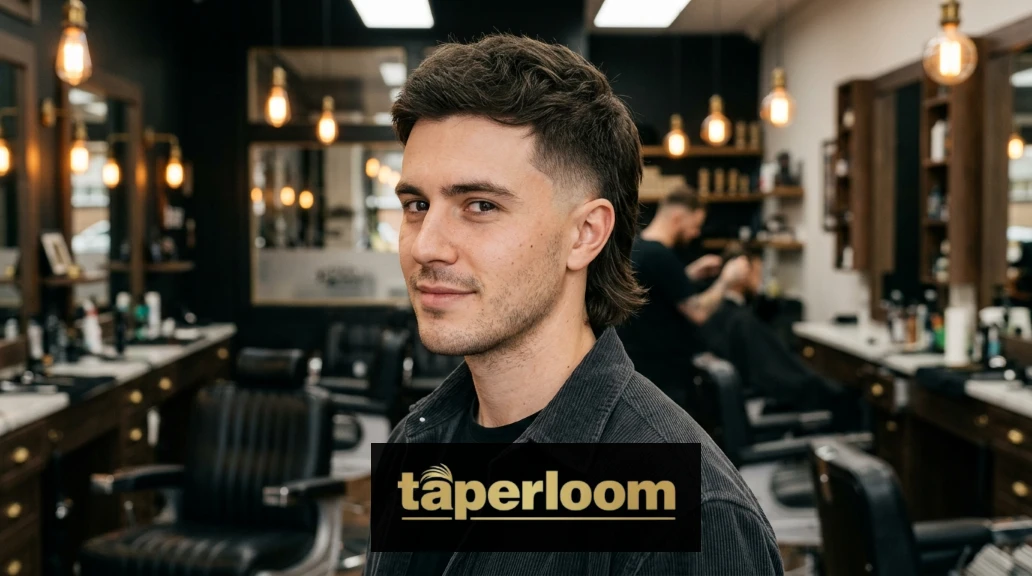
Low taper fade mullet haircuts have become a go-to choice for men in 2026, blending a clean, low fade on the sides with longer hair at the back. They work with almost any hair type: straight, wavy, curly, or thick, and suit both casual and professional settings.
Unlike a high fade, the taper on a low taper fade mullet is soft and low, so the transition feels natural instead of sharp. Wear it neat for the office or textured for the weekend.
This guide covers 25 low taper fade mullet variations, how to ask your barber for one, and how to maintain the style at home.
A low taper fade mullet is a modern haircut with a soft, low fade near the ears and neckline, and longer hair left at the back. It suits most face shapes and hair types without needing constant upkeep.
What Is a Low Taper Fade Mullet?
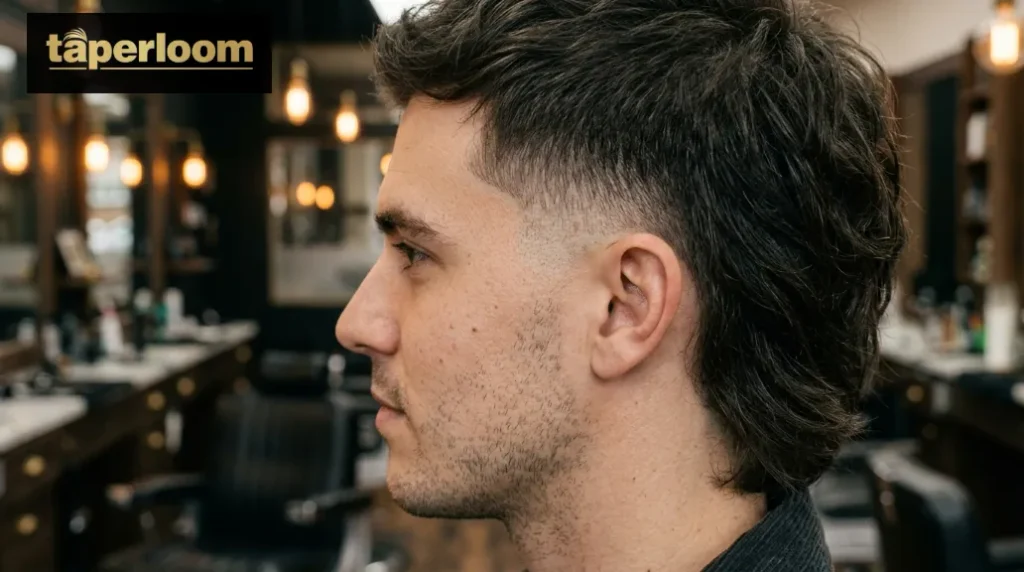
A low taper fade mullet blends the sides gradually near the ears and neckline instead of an aggressive shave. The back stays longer to keep the mullet shape intact.
Because the fade on this style starts low, it follows the head’s natural shape for a clean, polished look up front. The back of a low taper fade mullet holds enough length for movement and texture, whether your hair is straight, curly, or coily.
The result is a haircut with no hard lines, easy grow out, and low upkeep between trims. That’s exactly why the low taper fade mullet has become such a go to choice for men who want style without the maintenance.
Low Taper Fade Mullet vs Traditional Mullet vs Burst Fade Mullet
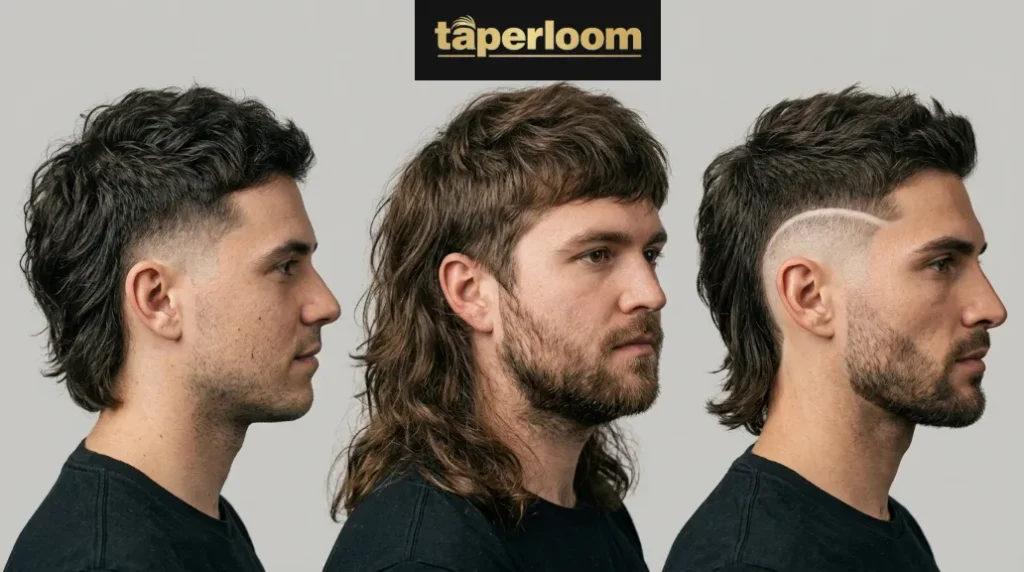
A low taper fade mullet looks cleaner and more modern than a traditional mullet, while offering a softer transition than a burst fade mullet.
A traditional mullet keeps fuller sides with little to no blending, giving it that bold, retro look. A burst fade mullet curves tightly around the ear, creating strong contrast between the short sides and long back. A low taper fade mullet sits between the two: refined enough for daily wear, but still full of personality.
| Feature | Low Taper Fade Mullet | Traditional Mullet | Burst Fade Mullet |
| Sides | Soft, low blend | Full, minimal blending | Sharp curve around ear |
| Neckline | Clean, gradual fade | Natural or blunt | Tightly faded |
| Overall look | Modern, refined | Retro, bold | Edgy, high contrast |
| Best for | Everyday wear, office friendly | Statement, retro style | Bold, trend forward looks |
| Maintenance | Every 3 to 4 weeks | Low | Every 2 to 3 weeks |
If you want the mullet trend without looking overly retro, the low taper fade mullet gives you the best balance of the two extremes.
Why This Haircut Works

A low taper fade mullet solves a problem most haircuts can’t: it looks put together without feeling boring. Here’s why so many men are choosing it in 2026.
- Works with straight, wavy, curly, and thick hair types
- Grows out cleanly with no hard line between short and long
- Keeps a professional look up front while adding personality at the back
- Suits most face shapes, including oval, square, and round
- Needs less upkeep than a high or skin fade
- Reduces bulk around the ears without losing length
- Easy to customize with layers, a fringe, or natural texture
- Pairs well with straight, curly, or coily hair without extra styling effort
The low taper fade mullet isn’t just a trend cycle throwback. It’s a practical cut that adapts to your lifestyle, whether you’re at the office, the gym, or out on the weekend.
25 Low Taper Fade Mullet Styles for Every Hair Type
Here are 25 low taper fade mullet variations, each suited to a different hair type, face shape, or lifestyle. Bring the reference name and photo to your barber for the best result.
1. Classic Low Taper Fade Mullet
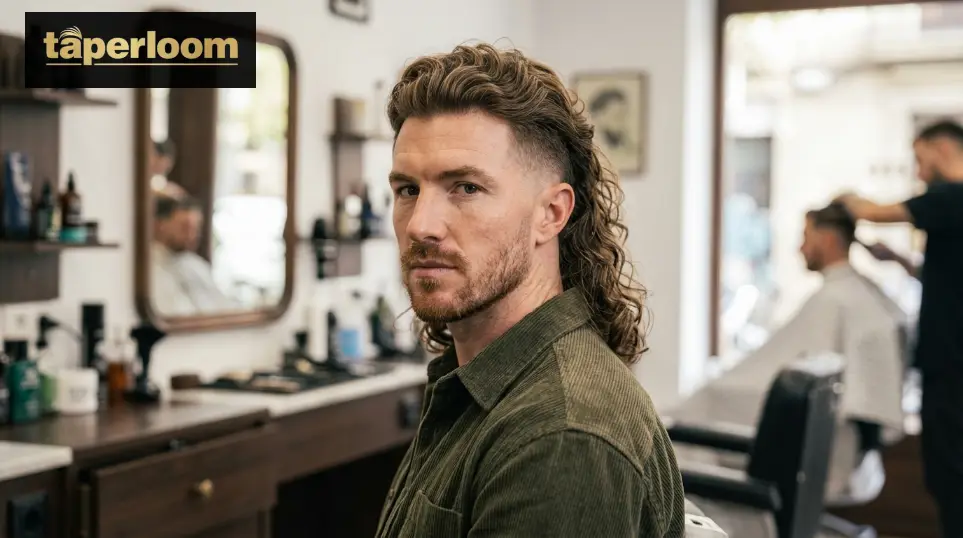
The classic low taper fade mullet keeps traditional mullet proportions while cleaning up the sides with a soft, low blend. It’s the easiest starting point if you’ve never worn a mullet before.
- Best for: Oval, square, and diamond face shapes
- Hair type: Straight, wavy, thick
- Maintenance: Every 3 to 4 weeks
- Styling product: Matte styling cream
- Barber tip: Ask for a soft taper and keep natural length through the back
- Estimated cost: $25 to $45
- Common mistake: Cutting the back too short and losing the mullet shape
2. Textured Low Taper Fade Mullet
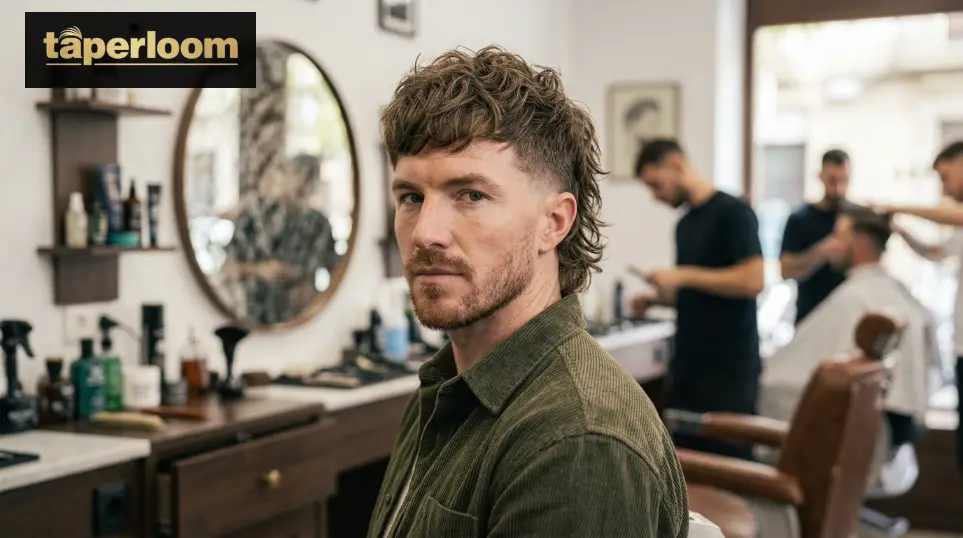
Layering throughout the top and back adds movement, while the low taper keeps the sides clean and lightweight. This version looks intentional even when styled loosely.
- Best for: Oval, round, and square face shapes
- Hair type: Thick, wavy, medium density
- Maintenance: Every 3 weeks
- Styling product: Sea salt spray and matte clay
- Barber tip: Ask for point cut layers instead of blunt lines
- Estimated cost: $30 to $50
- Common mistake: Using too much product, which flattens the texture
3. Curly Low Taper Fade Mullet
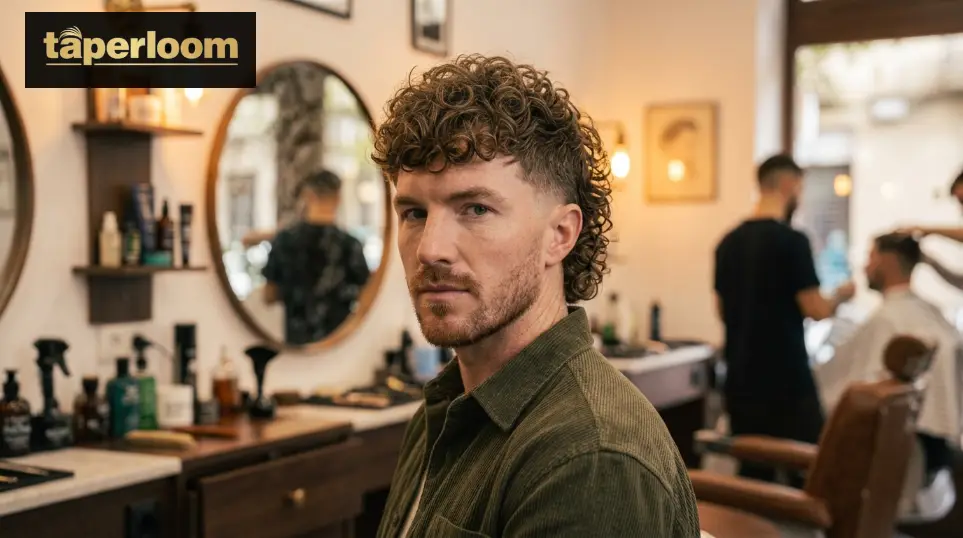
The taper removes bulk from the sides so natural curls stay the focus, while the longer back shows off their bounce and shape.
- Best for: Oval, heart, and square face shapes
- Hair type: Curly, coily
- Maintenance: Every 3 to 4 weeks
- Styling product: Curl cream or leave in conditioner
- Barber tip: Avoid over thinning the sides so curls stay full
- Estimated cost: $30 to $55
- Common mistake: Using heavy matte products that dry out the curls
4. Wavy Low Taper Fade Mullet
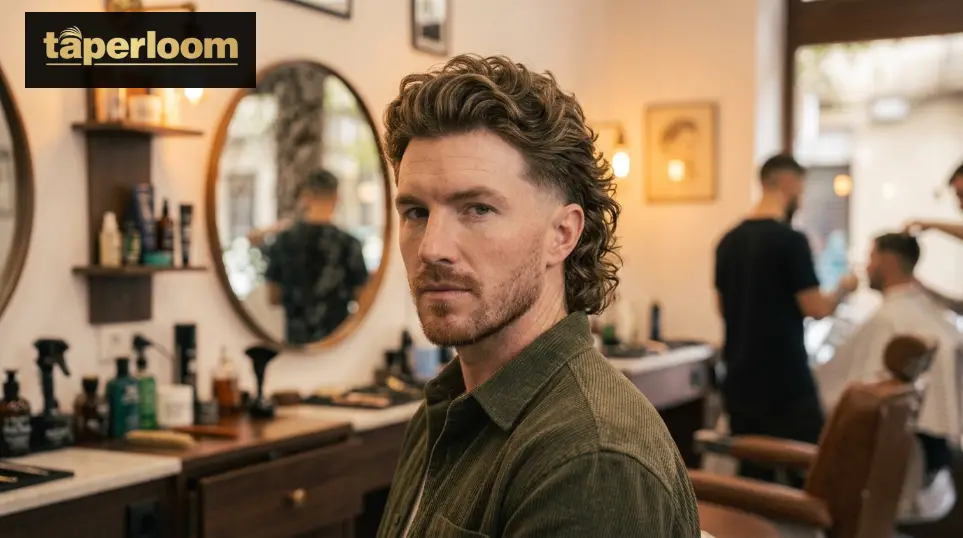
Natural waves give the low taper fade mullet effortless movement without much daily styling. The taper controls the sides while the crown and back flow naturally.
- Best for: Oval, diamond, and square face shapes
- Hair type: Wavy, thick
- Maintenance: Every 3 to 4 weeks
- Styling product: Sea salt spray
- Barber tip: Keep layers soft to enhance natural wave pattern
- Estimated cost: $25 to $45
- Common mistake: Overusing matte clay, which flattens the waves
5. Straight Hair Low Taper Fade Mullet
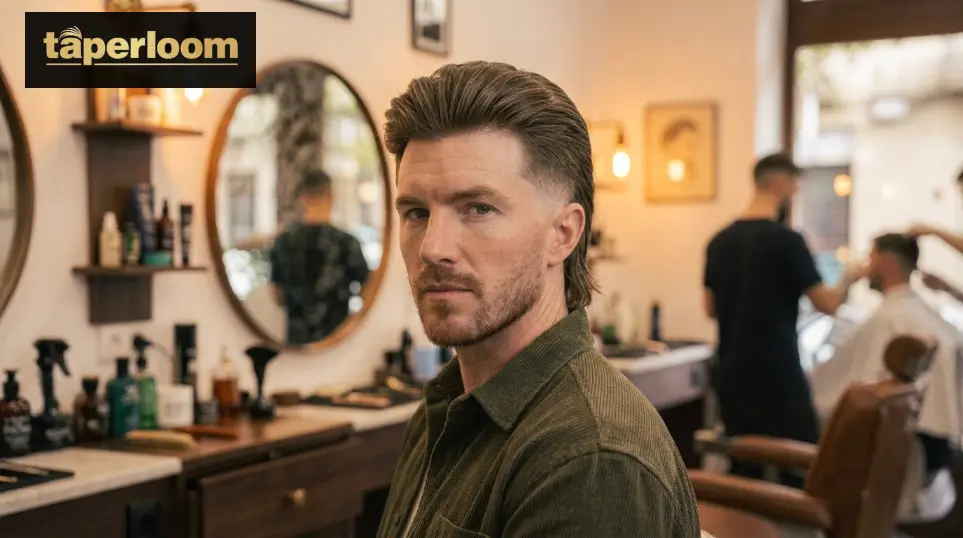
Straight hair shows off clean barbering better than any other texture. The taper creates sharp definition while the back adds structure without bulk.
- Best for: Oval, square, and heart face shapes
- Hair type: Straight, fine to medium
- Maintenance: Every 3 weeks
- Styling product: Matte styling cream
- Barber tip: Add light layering through the back to avoid a heavy look
- Estimated cost: $25 to $45
- Common mistake: Leaving the back completely blunt with no texture
6. Thick Hair Low Taper Fade Mullet
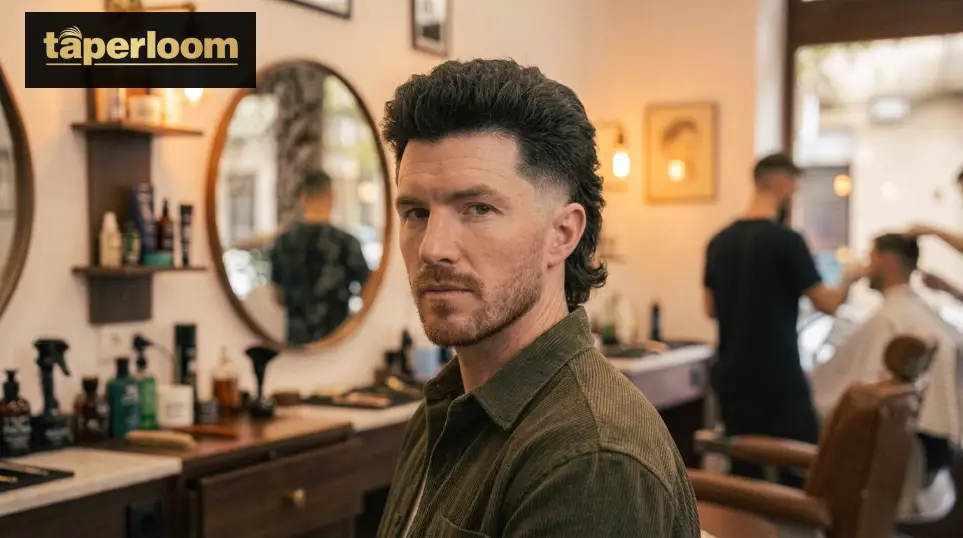
Thick hair often means extra bulk around the sides. The low taper removes that weight while the natural density on top and back creates shape and volume.
- Best for: Oval, round, and square face shapes
- Hair type: Thick, coarse
- Maintenance: Every 3 weeks
- Styling product: Matte clay
- Barber tip: Ask your barber to remove internal weight, not just length
- Estimated cost: $30 to $50
- Common mistake: Over thinning the top, which flattens the shape
7. Messy Low Taper Fade Mullet
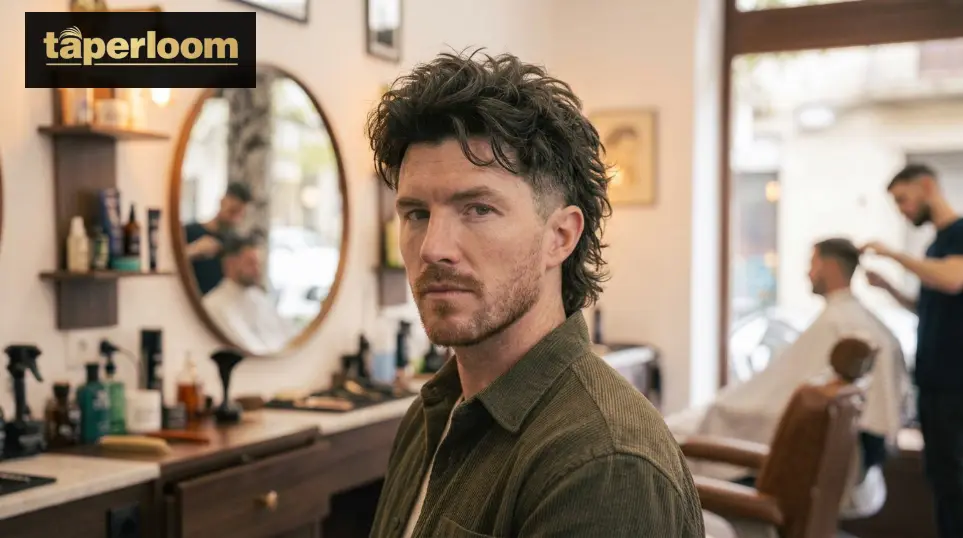
This version leans into natural separation instead of precise styling. Soft layers create an effortless look, while the taper keeps things from looking unkempt.
- Best for: Oval, round, and diamond face shapes
- Hair type: Straight, wavy, thick
- Maintenance: Every 3 to 4 weeks
- Styling product: Texture paste
- Barber tip: Style with your fingers instead of a comb for a natural finish
- Estimated cost: $25 to $45
- Common mistake: Applying too much product, which looks greasy
8. Wolf Cut Low Taper Fade Mullet
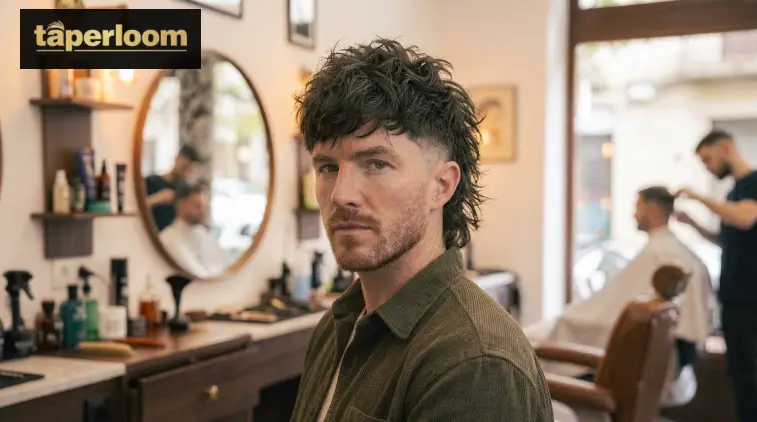
The wolf cut and the modern mullet share the same DNA, so combining them feels natural. Choppy layers build volume at the crown while the low taper keeps the sides sharp.
- Best for: Oval, diamond, and heart face shapes
- Hair type: Thick, wavy
- Maintenance: Every 4 weeks
- Styling product: Sea salt spray and texture powder
- Barber tip: Keep layers slightly disconnected for volume without mess
- Estimated cost: $30 to $55
- Common mistake: Cutting too many short layers around the crown
9. Modern Low Taper Fade Mullet
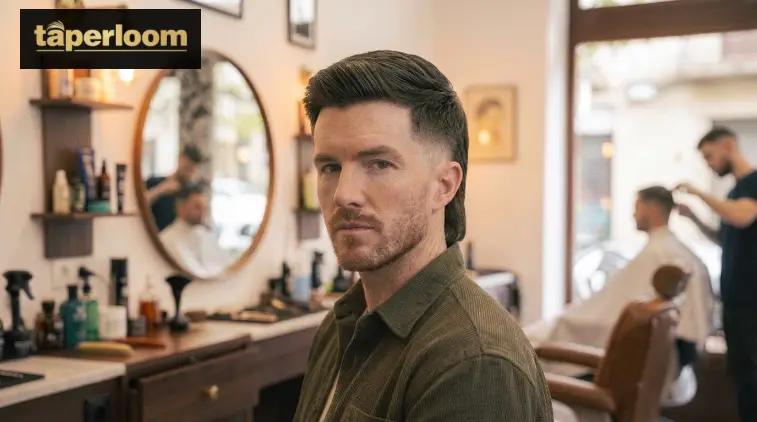
The modern low taper fade mullet softens the exaggerated proportions of older mullets with cleaner lines and easier layering. It’s one of the most requested versions in barbershops right now.
- Best for: Oval, square, and round face shapes
- Hair type: Straight, wavy, thick
- Maintenance: Every 3 weeks
- Styling product: Matte paste
- Barber tip: Keep the taper subtle so the transition stays smooth
- Estimated cost: $30 to $50
- Common mistake: Fading too high, which changes the whole look
10. Soft Layered Low Taper Fade Mullet
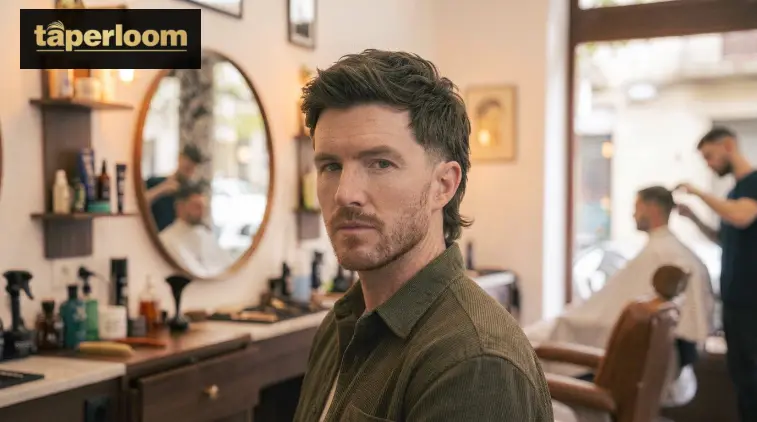
Soft layering blends the top and back together for a refined, lightweight mullet. It skips dramatic contrast in favor of smooth, natural movement.
- Best for: Oval, heart, and diamond face shapes
- Hair type: Straight, wavy
- Maintenance: Every 4 weeks
- Styling product: Lightweight styling cream
- Barber tip: Ask for blended layers rather than disconnected sections
- Estimated cost: $30 to $50
- Common mistake: Removing too much weight from the back
11. Asian Low Taper Fade Mullet

This variation focuses on clean outlines and soft layering, inspired by contemporary Korean and Japanese men’s hairstyles. The low taper keeps things polished while the back holds enough length for texture.
- Best for: Oval, round, and heart face shapes
- Hair type: Straight, fine to medium
- Maintenance: Every 3 to 4 weeks
- Styling product: Matte wax or styling cream
- Barber tip: Leave enough fringe for natural movement across the forehead
- Estimated cost: $30 to $50
- Common mistake: Cutting the sides too short and losing balance
12. Low Taper Fade Mullet with Textured Fringe
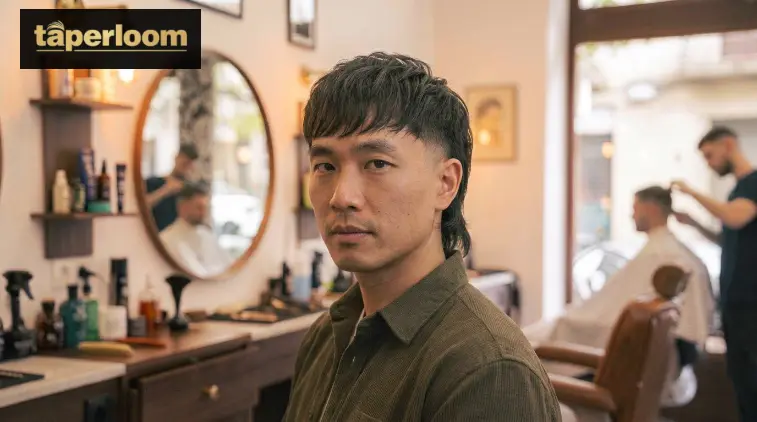
A textured fringe changes the entire front profile while the back keeps the classic mullet shape. The fringe adds movement and makes the cut look fuller.
- Best for: Round, oval, and diamond face shapes
- Hair type: Straight, wavy, thick
- Maintenance: Every 3 weeks
- Styling product: Texture paste
- Barber tip: Keep the fringe uneven and lightly layered
- Estimated cost: $30 to $50
- Common mistake: Cutting the fringe too blunt, which looks heavy
13. Athletic Low Taper Fade Mullet

Built for active routines, this version keeps the sides neat while trimming unnecessary weight throughout. You get the mullet’s personality without extra styling before workouts.
- Best for: Square, oval, and round face shapes
- Hair type: Straight, thick, wavy
- Maintenance: Every 3 weeks
- Styling product: Matte clay
- Barber tip: Keep just enough back length to preserve the shape without hassle
- Estimated cost: $25 to $45
- Common mistake: Keeping too much length, which gets uncomfortable during sports
14. Professional Low Taper Fade Mullet

A mullet built for the office sounds unusual, but careful proportions make it work. The low taper creates clean edges while shorter back layering keeps things polished.
- Best for: Oval, square, and heart face shapes
- Hair type: Straight, wavy
- Maintenance: Every 3 to 4 weeks
- Styling product: Grooming cream
- Barber tip: Keep the neckline clean and avoid excess length behind the collar
- Estimated cost: $30 to $50
- Common mistake: Letting the back grow too long between visits
15. Low Taper Fade Mullet with Natural Volume
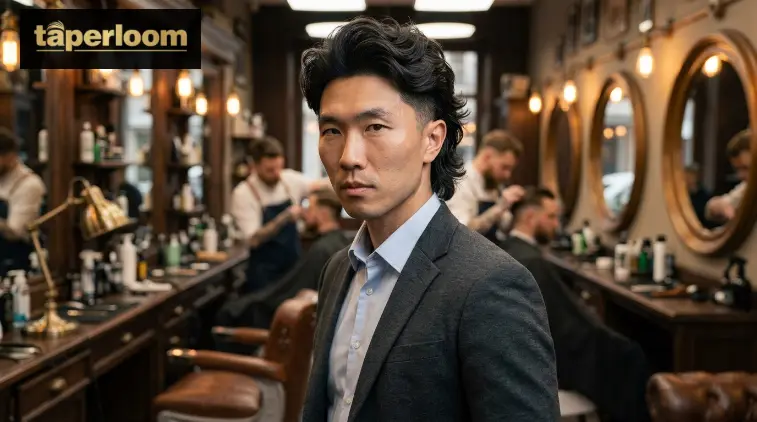
Instead of heavy styling products, this version relies on strategic layering for natural fullness through the crown and back. The taper removes bulk while letting your hair’s natural body stand out.
- Best for: Oval, diamond, and square face shapes
- Hair type: Thick, wavy
- Maintenance: Every 4 weeks
- Styling product: Sea salt spray or volumizing powder
- Barber tip: Blow dry with a vent brush for lift before applying product
- Estimated cost: $30 to $50
- Common mistake: Using heavy pomades that flatten the style
16. Short Low Taper Fade Mullet
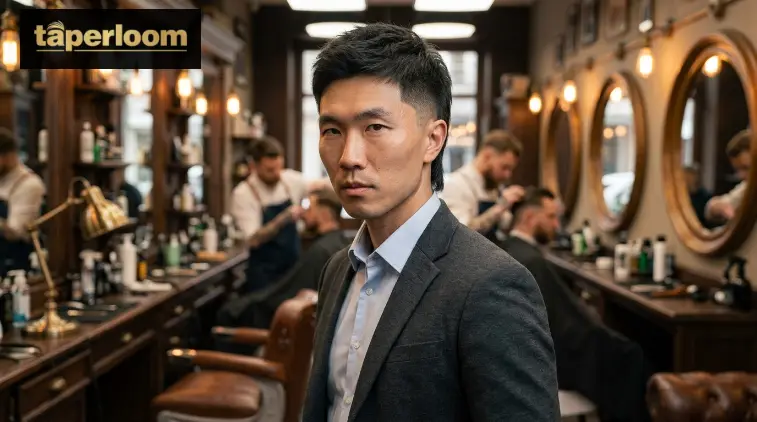
For men who aren’t ready to commit to a long back, this version keeps the length difference subtle. The mullet shape is still there, just more understated.
- Best for: Oval, square, and round face shapes
- Hair type: Straight, fine
- Maintenance: Every 3 weeks
- Styling product: Light pomade
- Barber tip: Keep the back just past the collar for a subtle mullet effect
- Estimated cost: $25 to $40
- Common mistake: Cutting the back too even with the sides, which erases the shape
17. Middle Part Low Taper Fade Mullet
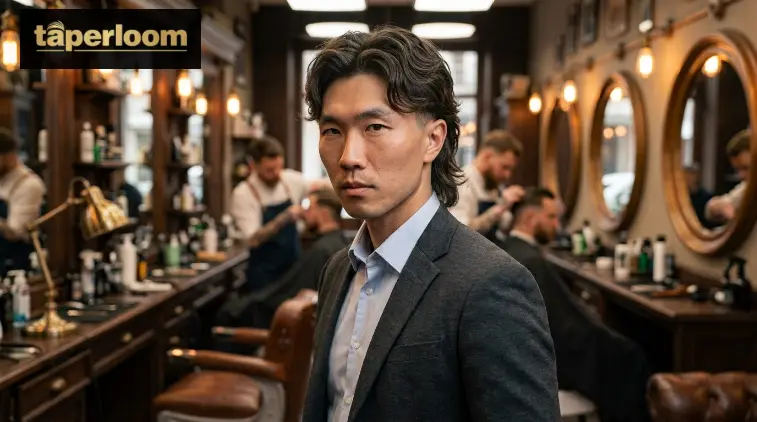
The middle part adds a slightly vintage, 90s inspired look up top, while the low taper keeps the overall style modern and clean.
- Best for: Oval, heart, and diamond face shapes
- Hair type: Straight, wavy, medium length
- Maintenance: Every 3 to 4 weeks
- Styling product: Light styling cream
- Barber tip: Blow dry away from the center part to train the hair before styling
- Estimated cost: $30 to $50
- Common mistake: Skipping product, which lets the part fall out by midday
18. Fine Hair Low Taper Fade Mullet
Fine hair needs the right layering to avoid looking flat. This version uses shorter top layers with a slightly longer back to build the illusion of density.
- Best for: Oval, round, and square face shapes
- Hair type: Fine, thin
- Maintenance: Every 3 to 4 weeks
- Styling product: Volumizing mousse
- Barber tip: Apply mousse at the roots for lift before blow drying
- Estimated cost: $25 to $45
- Common mistake: Using heavy products that weigh fine hair down
19. Low Taper Fade Mullet with Middle Fringe
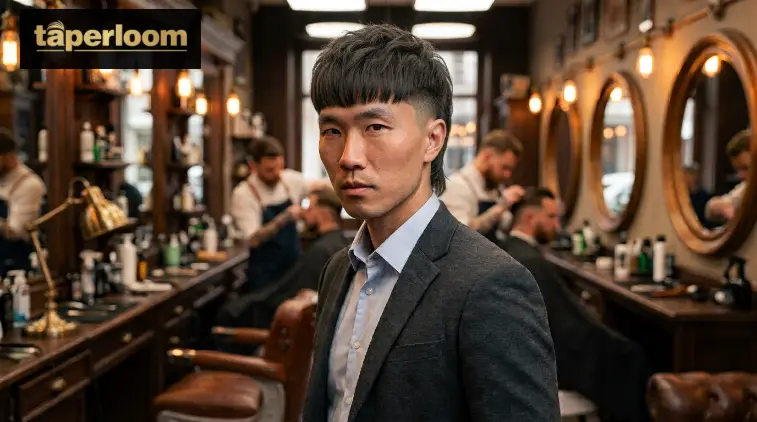
Similar to the textured fringe version but fuller and more structured up front. The fringe sits lower on the forehead and pairs well with a slightly shorter back for balance.
- Best for: Oval, square, and heart face shapes
- Hair type: Straight, wavy
- Maintenance: Every 3 weeks
- Styling product: Matte paste
- Barber tip: Use a round brush and blow dryer to shape the fringe forward
- Estimated cost: $30 to $50
- Common mistake: Letting the fringe sit too heavy without any texture
20. Coily Hair Low Taper Fade Mullet
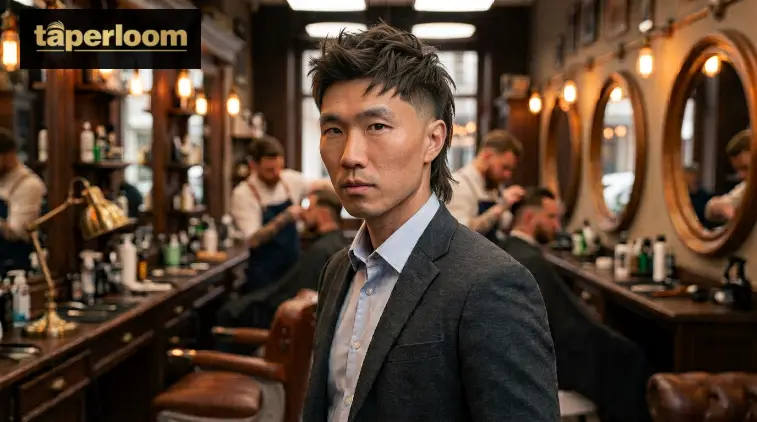
Coily hair adds natural height and definition on its own. The low taper keeps the sides controlled while the crown and back showcase the coil pattern.
- Best for: Oval, square, and diamond face shapes
- Hair type: Coily, curly
- Maintenance: Every 4 weeks
- Styling product: Curl defining cream
- Barber tip: Detangle gently before cutting to avoid uneven length
- Estimated cost: $30 to $55
- Common mistake: Cutting coily hair dry, which shrinks length unevenly
21. Textured Top Low Taper Fade Mullet
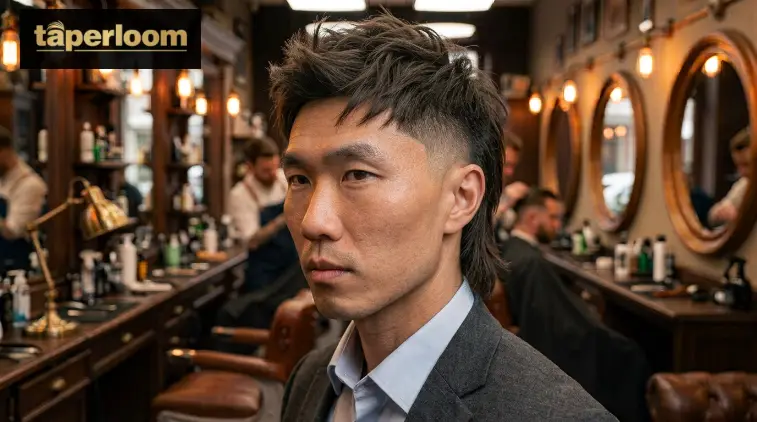
This version puts all the focus on choppy, piecey styling across the top, with the low taper and mullet acting as a clean frame around it. It’s a strong pick if you want an edgier finish.
- Best for: Oval, square, and round face shapes
- Hair type: Medium to thick, straight or wavy
- Maintenance: Every 3 to 4 weeks
- Styling product: Matte clay
- Barber tip: Pull small sections upward with your fingertips for definition
- Estimated cost: $30 to $50
- Common mistake: Overloading the top with product, which kills the texture
22. Low Taper Burst Fade Mullet
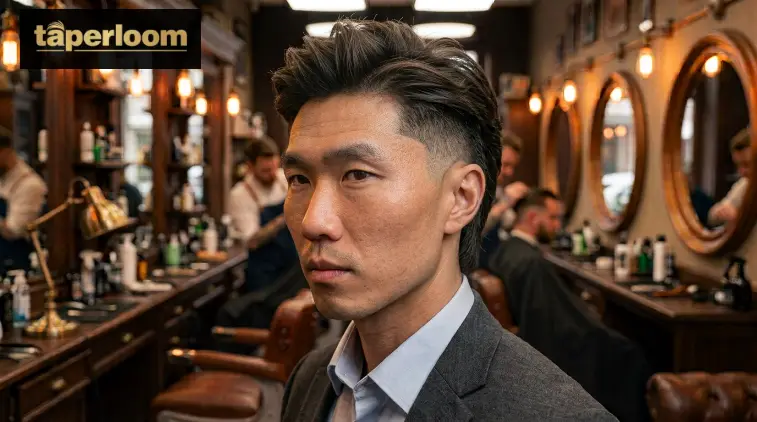
This hybrid blends a tight burst curve around the ear with a low, soft taper elsewhere. You get more contrast than a standard low taper without going full burst fade.
- Best for: Square, diamond, and oval face shapes
- Hair type: Straight, thick
- Maintenance: Every 2 to 3 weeks
- Styling product: Matte clay
- Barber tip: Ask your barber to keep the burst tight but the rest of the taper soft
- Estimated cost: $35 to $55
- Common mistake: Letting the burst grow out unevenly without a touch up
23. Low Taper Fade Mullet with Undercut
An undercut beneath the low taper adds extra contrast and makes the longer top and back stand out even more. It’s a bolder take on the classic shape.
- Best for: Oval, square, and heart face shapes
- Hair type: Straight, wavy, thick
- Maintenance: Every 3 weeks
- Styling product: Strong hold pomade
- Barber tip: Keep the undercut length even so it grows out cleanly
- Estimated cost: $35 to $55
- Common mistake: Going too short on the undercut, which creates a harsh line
24. Long Low Taper Fade Mullet
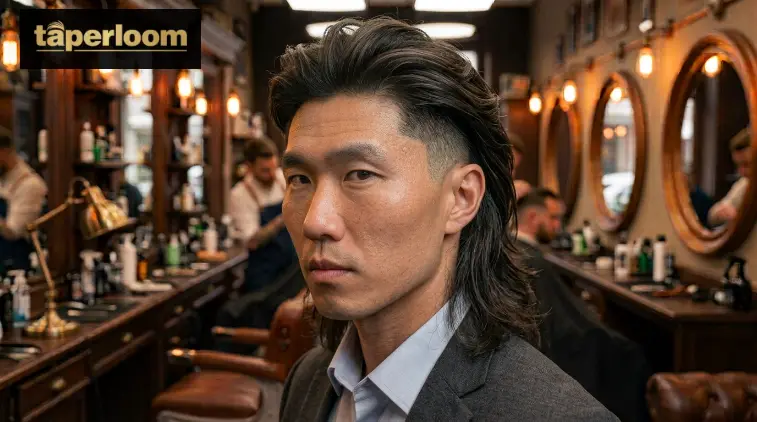
This version keeps significantly more length through the back and crown, giving the mullet a bolder, more dramatic silhouette while the sides stay clean with a low taper.
- Best for: Oval, diamond, and heart face shapes
- Hair type: Straight, wavy, thick
- Maintenance: Every 4 to 5 weeks
- Styling product: Light hold styling cream
- Barber tip: Trim only the ends to maintain length while keeping shape
- Estimated cost: $30 to $50
- Common mistake: Skipping trims for too long, which leads to split ends
25. Low Taper Fade Mullet with Natural Curls and Fringe
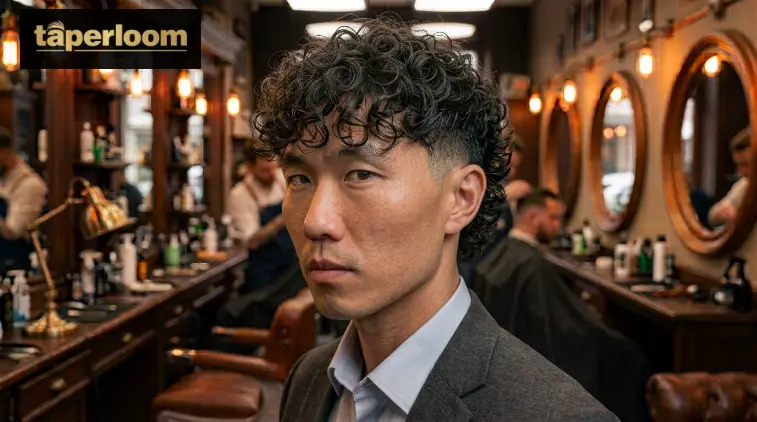
This variation pairs natural curls at the crown and back with a soft curly fringe up front, all framed by a clean low taper. It’s a great option for men who want their natural curl pattern to lead the style.
- Best for: Oval, heart, and square face shapes
- Hair type: Curly, coily
- Maintenance: Every 4 weeks
- Styling product: Curl cream and light gel
- Barber tip: Let curls air dry to keep their natural shape and bounce
- Estimated cost: $35 to $55
- Common mistake: Brushing curls dry, which causes frizz and breaks the pattern
How to Ask Your Barber for a Low Taper Fade Mullet
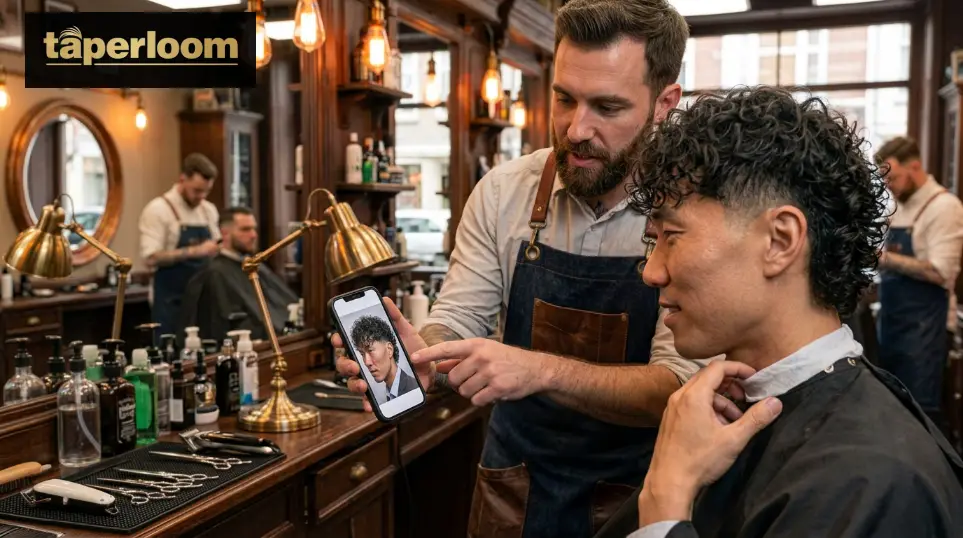
Getting a good low taper fade mullet starts with clear communication. Vague requests lead to uneven results, so walk in with specifics.
- Show reference photos. Bring one photo of the fade you want on the sides and a separate photo of the back length you’re after.
- Specify the fade guard. Ask for a low taper starting near the ear and neckline, and mention guard numbers such as starting around a #3 and blending down to a #1.
- Describe the back length clearly. Tell your barber if you want the back just past the collar or grown out longer. Terms like “keep it long” mean different things to different barbers.
- Mention your hair type. Straight, wavy, curly, or coily hair all need slightly different layering, so this helps your barber plan the cut.
- Talk about maintenance. Let your barber know if you want a low taper fade mullet that grows out cleanly, or if you’re fine visiting every three weeks for a sharper line.
- Ask about your face shape. A good barber can adjust the top length and taper angle to suit your face shape, so it’s worth asking for their input.
Being specific on these points takes less than a minute and makes it far more likely you’ll leave the chair happy with your low taper fade mullet.
Low Taper Fade Mullet by Face Shape
A low taper fade mullet works well on most face shapes because the soft taper doesn’t add harsh contrast. Some shapes get more benefit than others depending on how the length and layering is placed.
| Face Shape | Suitability | Why It Works |
| Oval | Excellent | Balanced proportions suit almost every low taper fade mullet variation |
| Square | Excellent | Highlights a strong jawline while the taper keeps the sides clean |
| Diamond | Excellent | Adds balance around the crown and neckline |
| Heart | Very Good | Softens a wider forehead with layered texture up top |
| Round | Very Good | Volume on top and length at the back create a longer, leaner look |
Most face shapes can wear a low taper fade mullet comfortably. The main adjustment is usually in how much length and volume your barber leaves on top.
Best Hair Types for This Haircut
Hair type plays a bigger role than face shape when it comes to how a low taper fade mullet actually looks day to day. Some textures need almost no styling, while others benefit from a bit of extra product.
| Hair Type | Rating | Notes |
| Thick Hair | Excellent | Holds shape well and handles the taper cleanly without extra product |
| Wavy Hair | Excellent | Adds natural movement to the back with little daily effort |
| Curly Hair | Excellent | Curls add volume and texture that pair naturally with a low taper fade mullet |
| Straight Hair | Very Good | Shows off clean barbering but may need light product for texture |
| Fine Hair | Good with layering | Needs shorter layers on top to avoid looking flat |
| Coily Hair | Good when shaped correctly | Works best when your barber shapes around the natural coil pattern |
Whatever your hair type, the low taper fade mullet can be adjusted with layering and length to suit it. Talk to your barber about your natural texture before the cut, not after.
Best Styling Products for a Low Taper Fade Mullet
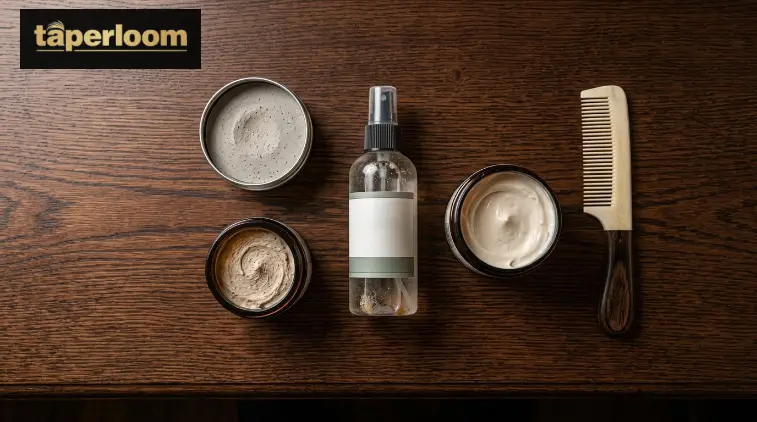
The right product makes a real difference in how your low taper fade mullet holds up through the day. Here’s what works best for each texture and finish.
| Product | Best For | How to Use |
| Matte Clay | Natural texture, medium hold | Rub between palms and work through dry hair for definition without shine |
| Texture Paste | Messy, piecey styling | Apply to damp hair and use fingers to separate strands |
| Sea Salt Spray | Wavy movement and volume | Spray on damp hair and scrunch for a beachy, textured finish |
| Styling Cream | Flexible everyday styling | Warm a small amount in your hands and smooth through hair evenly |
| Curl Cream | Defining curls | Apply to soaking wet hair and let air dry to lock in the curl pattern |
| Volumizing Mousse | Extra lift for fine hair | Apply at the roots before blow drying for added height |
| Light Pomade | Control without weight | Use sparingly on dry hair for a natural, low shine hold |
Using the wrong product is one of the easiest ways to ruin a good low taper fade mullet. Match the product to your hair type instead of just grabbing whatever’s in your cabinet.
At Home Maintenance Between Barber Visits
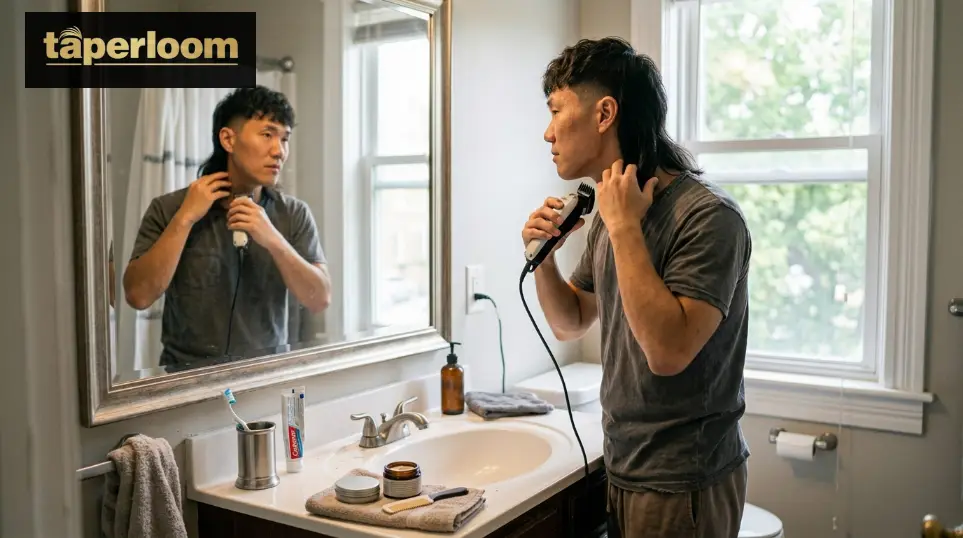
A low taper fade mullet can start looking rough between visits if you skip basic upkeep. A few simple habits keep it sharp without needing a barber every week.
- Trim your neckline with clippers every 7 to 10 days to stop it from looking overgrown
- Wash with a light shampoo two to three times a week so natural oils don’t build up and weigh the hair down
- Condition regularly, especially if your hair is curly or coily, to keep the ends from drying out
- Brush or comb the longer back sections a few times a week to prevent tangles
- Apply a light product only when styling, not every day, so your hair doesn’t feel heavy or greasy
- Blow dry with a vent brush if you want extra volume on top before applying product
- Sleep on a silk or satin pillowcase if you have curly or coily hair to reduce frizz overnight
- Book your next trim 3 to 4 weeks out so the taper doesn’t grow past a clean shape
None of this replaces a barber visit, but it keeps your low taper fade mullet looking intentional in the weeks between appointments.
Taper Mullet vs Low Fade Mullet: Which Modern Mullet Taper Is Right for You?
A taper mullet keeps a short layer of hair on the sides and neckline while the back stays long. A low taper mullet starts that blend just above the ear, so the transition looks soft and natural.
A taper fade mullet adds a light fade at the very bottom for a slightly cleaner finish, and a low fade mullet goes shorter still, sometimes down to the skin, for the sharpest contrast.
A modern mullet taper is the most wearable of the four. It uses soft layers through the back and a low taper on the sides, so it looks polished at work and relaxed on weekends.
| Cut | Bottom length | Look | Touch-up |
|---|---|---|---|
| Taper mullet | Short, not bald | Soft, natural | Every 3 to 4 weeks |
| Low taper mullet | Short, starts just above the ear | Subtle, easy to wear | Every 3 to 4 weeks |
| Taper fade mullet | Short with a light fade | Clean, balanced | Every 3 weeks |
| Low fade mullet | Very short or skin | Sharp, high contrast | Every 2 to 3 weeks |
| Modern mullet taper | Short with soft layers | Polished, modern | Every 3 to 4 weeks |
If you are not sure which one to pick, start with a low taper mullet. You can always go shorter at your next visit, but you cannot add length back.
How Much Does a Low Taper Fade Mullet Cost?
A low taper fade mullet typically costs between $25 and $55 depending on where you get it done and how detailed the style is. Simpler versions cost less, while textured or layered styles that need more work usually sit at the higher end.
| Where You Go | Price Range | What to Expect |
| Barbershop | $25 to $50 | Experienced barbers, consistent quality, most common choice |
| Salon | $35 to $65 | Often includes wash, styling, and product application |
| Barber School or Student Cut | $10 to $20 | Lower cost, supervised by an instructor, longer appointment time |
| Premium or Celebrity Barber | $60 to $100+ | High end shops in major cities, detailed styling included |
Tipping typically adds another 15 to 20 percent on top of the base price. If you’re getting a more detailed low taper fade mullet with a fringe, curls, or heavy layering, expect to pay closer to the top of the range since it takes more time in the chair.
Low Taper Fade Mullet FAQs
What is a low taper fade mullet?
A haircut with a soft, low fade near the ears and neckline, paired with longer hair left at the back.
How often should it be trimmed?
Most barbers recommend a trim every 3 to 4 weeks to keep the taper sharp and the back shape controlled.
Does it suit curly hair?
Yes, curly hair adds natural volume, and the low taper keeps the sides from looking bulky.
What’s the difference from a burst fade mullet?
A low taper fade mullet blends softly near the neckline, while a burst fade curves tightly around the ear for stronger contrast.
Is it professional or office appropriate?
Yes, especially with shorter back layering and a clean neckline, it works well in most workplaces.
How much does it cost?
Typically between $25 and $55, depending on the barbershop and how detailed the style is.
What face shapes should avoid it?
No face shape needs to avoid it, but square or diamond shapes may want to discuss top length with their barber first.
Can I dye my hair with this cut?
Yes, the length at the back gives color plenty of room to show, from subtle highlights to bolder shades.
Is it high maintenance?
Not particularly, a trim every 3 to 4 weeks and light daily styling is usually enough.
How long does hair need to be to start?
At least 3 to 4 inches at the crown and back, so there’s enough length to create the mullet shape.
Final Thoughts
A low taper fade mullet works because it’s flexible, not fixed. Whether your hair is straight, curly, thick, or fine, there’s a version of this cut that fits your texture and lifestyle without demanding constant upkeep.
Start with the style that matches your current hair type, bring clear reference photos to your barber, and be upfront about how much maintenance you’re willing to commit to. Get those details right, and the low taper fade mullet can easily become your go to look for 2026.
Read Next : Low Taper Fade for Kids: Every Style, Age Guide & Barber Script Parents Actually Need (2026)

Muhammad Kaleem is a content creator who writes about hair care, hairstyles, grooming, and everyday hair trends. He enjoys turning hair-related topics into simple, practical, and easy-to-understand content that helps readers make informed choices about their hair and personal style.