
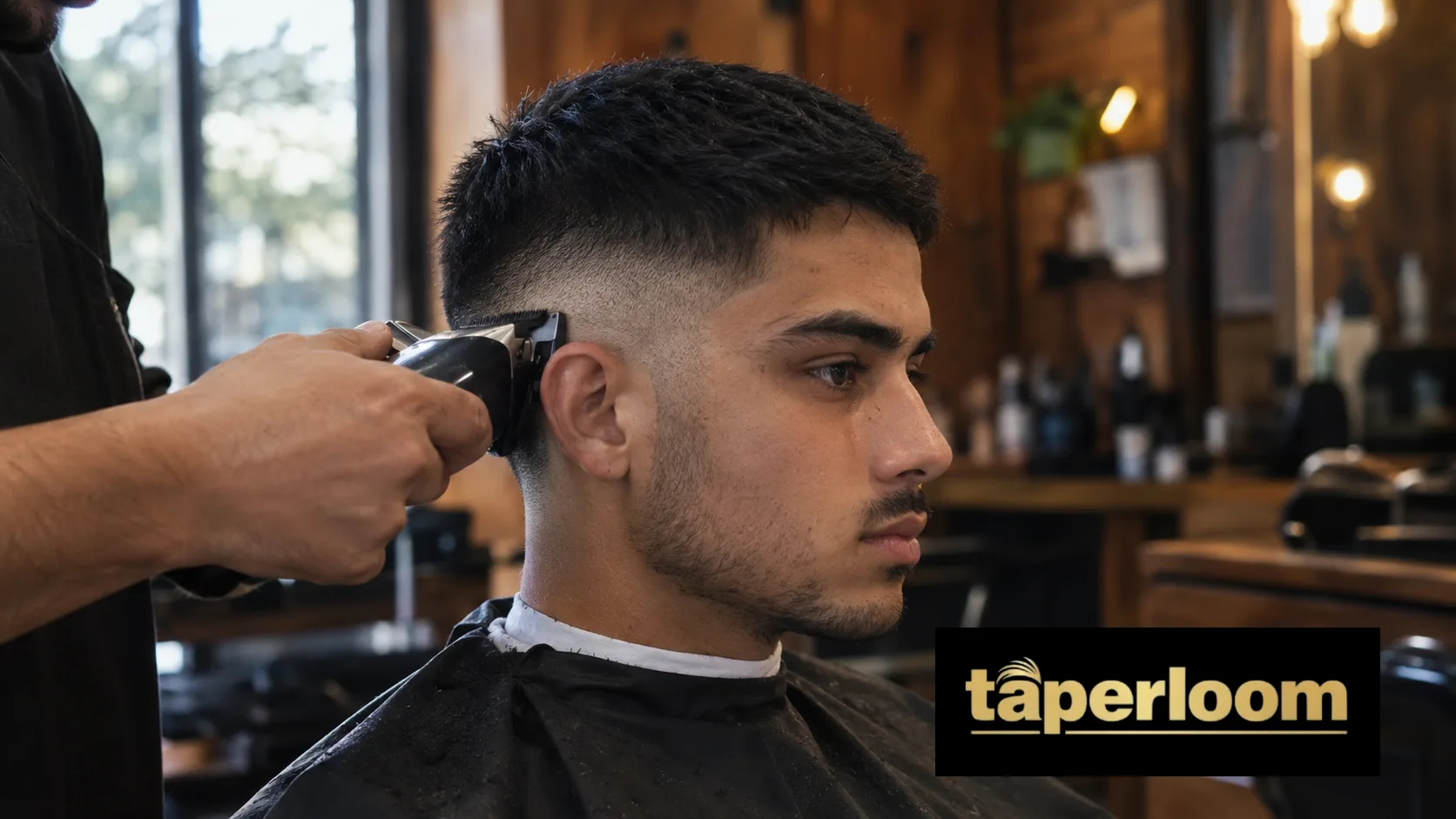
A mid fade buzz cut is a men’s haircut where the sides fade from short to skin starting about halfway up the head, while the top stays buzzed to a uniform length. It sits right between a low fade and a high fade, sharp enough to look intentional, subtle enough to wear anywhere.
This cut has stuck around for a reason. It’s low-maintenance, it works with almost any face shape, and it gives you just enough contrast without looking over-styled. Whether you’re new to fades or switching things up from a low fade, here’s everything you need to know before your next barber visit.
What Is a Mid Fade Buzz Cut?
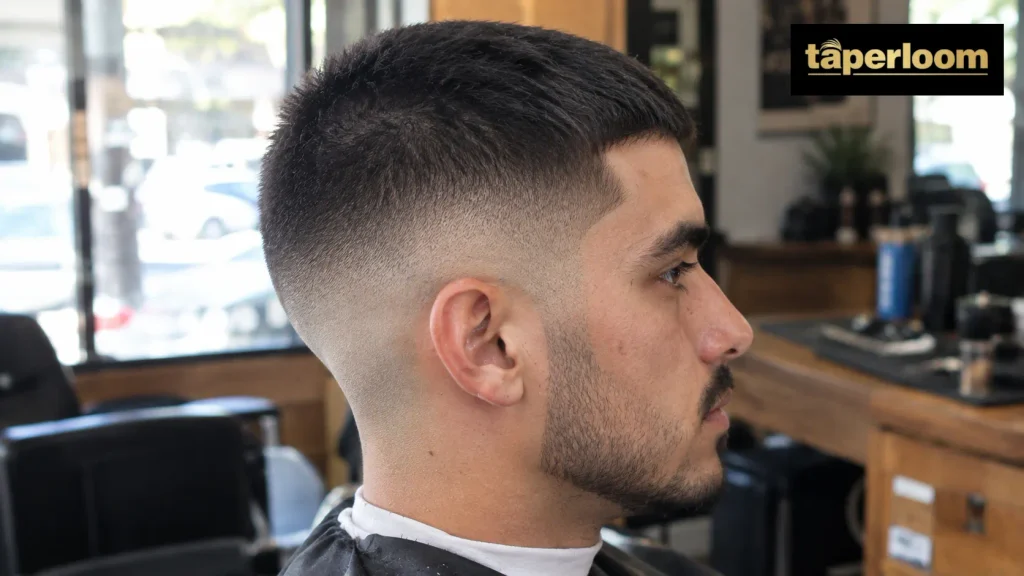
A mid fade buzz cut is a men’s haircut that pairs a short, uniform buzz on top with a fade on the sides that starts around the midpoint of the head. The fade blends from skin or a low guard number near the bottom up to the length on top, using progressively higher clipper guards as it climbs.
It sits in a sweet spot. A low fade barely rises past the ear, and a high fade climbs well past that point. The mid fade lands right in between, giving you noticeable contrast without going too bold.
Barbers usually build this cut with three or four guard lengths, blending guard 0 or 1 near the bottom into guard 3 or 4 on top. The result is a clean, structured look that still feels easy to maintain.
In short: a mid fade buzz cut is a short, faded haircut where the blend starts halfway up the sides instead of near the ears or higher up the head.
Mid Fade vs Low Fade vs High Fade
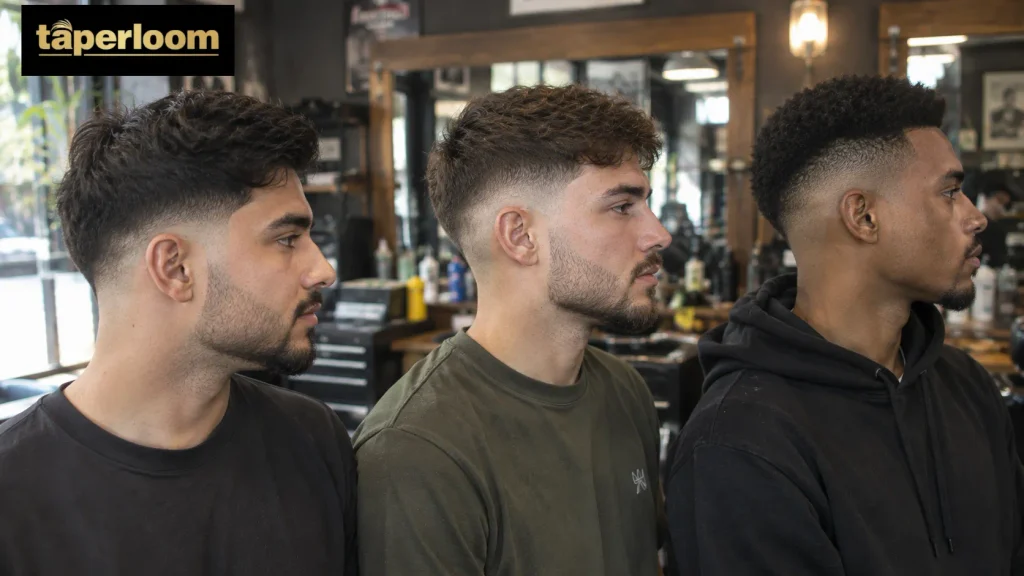
Not sure which fade fits you? Here’s how the three main types stack up against each other.
| Fade Type | Start Point | Best For | Maintenance |
| Low Fade | Just above the ears | Formal settings, subtle looks, curly or thick hair | Every 3 to 4 weeks |
| Mid Fade | Halfway up the sides | Most face shapes, balanced style, everyday wear | Every 2 to 3 weeks |
| High Fade | Well above the ears, closer to the top | Bold, high contrast looks, thinner hair | Every 2 weeks |
A low fade is the safest, most understated option. A high fade is the sharpest and needs the most upkeep. The mid fade sits right in the middle, giving you a defined look without the commitment a high fade demands.
If you’re getting a fade for the first time, the mid fade is usually the easiest to grow out and the easiest to explain to your barber.
Mid Fade Buzz Cut Variations
The core cut is simple, but there’s more than one way to wear it. Here are the most popular takes.
Mid Skin Fade Buzz Cut
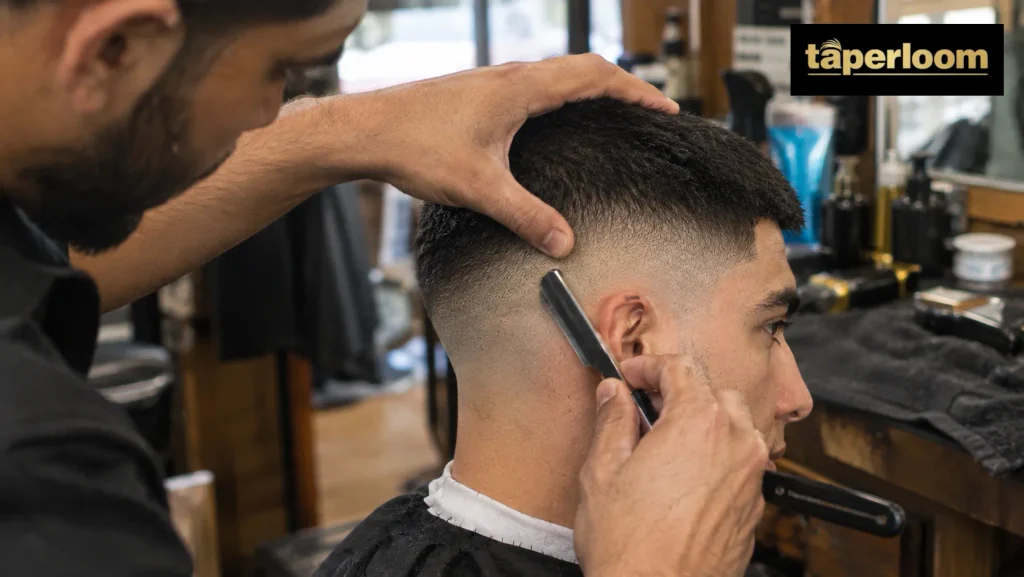
This version takes the bottom of the fade down to bare skin using a razor or a 0 guard, then blends up into the buzzed top. It’s the sharpest, highest contrast option in this list.
Best for: guys who want the boldest version of this cut and don’t mind visiting the barber every two weeks.
Textured Top Mid Fade
Instead of a flat, uniform buzz, the top is left slightly longer and cut with texturizing shears for a bit of movement, similar to a textured fringe mid taper. The fade stays the same, but the top adds some personality.
Best for: men with thick or wavy hair who want a little more style on top without losing the low maintenance sides.
Mid Taper Buzz Cut
A mid taper haircut is softer than a fade. The hair gets progressively shorter toward the neckline and hairline instead of blending sharply into skin. It’s a gentler transition.
Best for: workplaces with conservative dress codes or anyone who prefers a subtler blend.
Mid Fade with Beard
Pairing the fade with a beard fade creates a matching blend on both the sides and the jawline. It’s one of the most requested combos in barbershops right now.
Best for: guys who already grow a beard and want their whole look to feel put together.
Curly Hair Mid Fade
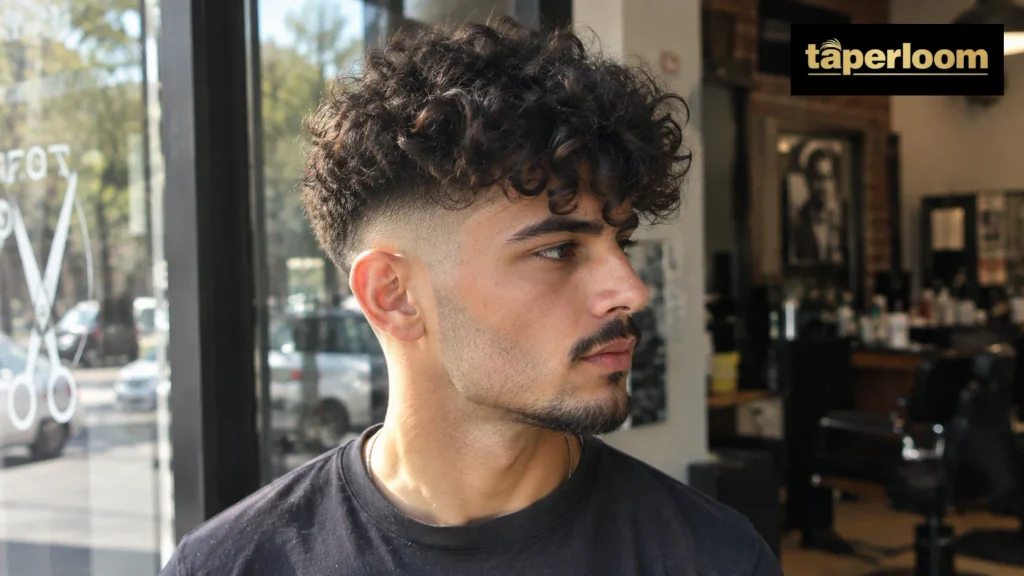
A mid taper fade for curly hair leaves the top a bit longer, usually a half inch to an inch, so the natural curl pattern can show. The sides still fade the same way.
Best for: curly or coily hair types that would look flat if buzzed too short on top.
Which Face Shape and Hair Type Suits This Cut?
The good news is that a mid fade buzz cut works on nearly every face shape. Here’s how to fine tune it for yours.
| Face Shape | Why It Works |
| Oval | Almost any variation suits this shape. It’s the most flexible face shape for this cut. |
| Round | A skin fade adds sharp lines that make the face look more angular and defined. |
| Square | A textured top softens strong jawlines while the fade keeps things clean. |
| Diamond | A taper version balances narrower cheekbones and a pointed chin. |
Hair type matters too. Straight and wavy hair take the buzzed top easily and hold the shape well between cuts.
Curly hair often looks better with a bit more length on top so the texture isn’t lost. Thinning hair benefits from a slightly higher fade, since it draws attention away from thin patches near the top.
How to Ask Your Barber for a Mid Fade Buzz Cut
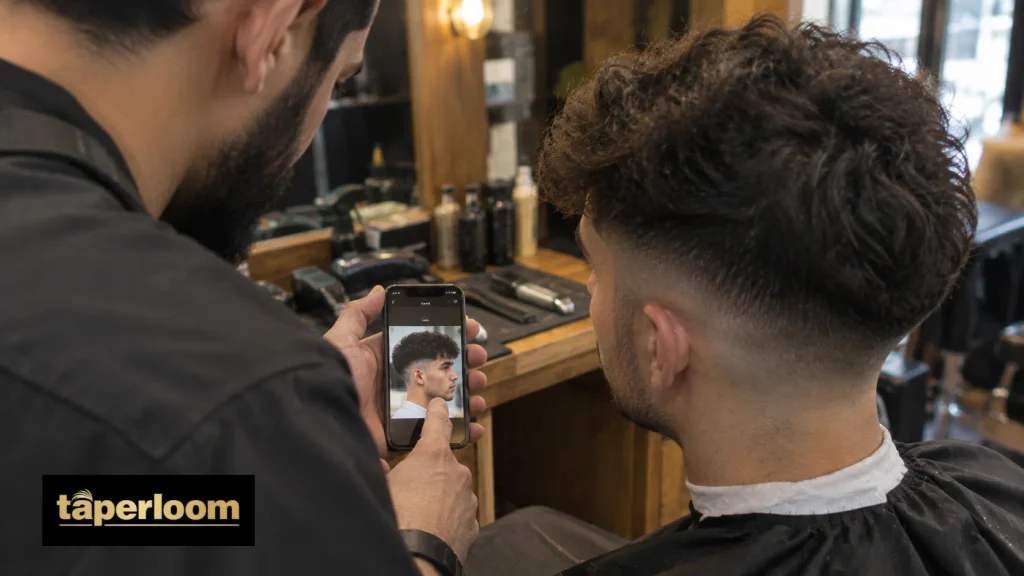
Walking in with the right words saves you a bad haircut. Here’s exactly what to say and do.
- Show a reference photo. Fades vary a lot from barber to barber, so a photo removes any guesswork.
- Ask for the fade to start “halfway up the sides.” This is the exact phrase that separates a mid fade from a low or high one.
- Specify your top length. Guard 3 or 4 gives you a classic buzzed top. Guard 5 or higher leaves a bit more length for texture.
- Ask for guard 0 or 1 at the bottom of the fade, blending up to your chosen top length.
- Mention if you want a skin fade. If you want the sharpest possible blend, ask for it to be taken down to skin with a razor.
- Decide on a beard fade if you have one. Ask your barber to blend the sides into your beard for a matching finish.
Being specific about guard numbers and start points is the single biggest thing that separates a great mid fade from a mediocre one.
Maintenance and Upkeep
How often should you trim a mid fade buzz cut? Every 2 to 3 weeks. Because the fade sits closer to the skin, regrowth becomes visible faster than it would with a low fade.
A few things help stretch the time between cuts:
- Trim the edges yourself with a clipper at home if the outline starts looking fuzzy.
- Use a light pomade or matte clay on top if you’re wearing the textured version, since it holds shape without weighing hair down.
- Wash regularly to keep the scalp clean, especially if you’re going with the skin fade version.
- Book your next appointment before you leave the barbershop. It keeps the fade consistent instead of growing out unevenly.
Skipping trims past the three week mark is when the fade starts losing its sharp line, so treat that as your outer limit.
Pros and Cons
| Pros | Cons |
| Low daily styling effort | Needs trims every 2 to 3 weeks |
| Works with most face shapes | Skin fade version can irritate sensitive skin |
| Suits both casual and formal settings | Not the easiest cut to do at home |
| Pairs well with a beard fade | Grows out faster than a low fade |
| Easy to describe to any barber | Requires a barber comfortable with fades |
Frequently Asked Questions
How long does a mid fade buzz cut last before it needs a trim?
Most guys need a trim every 2 to 3 weeks. The fade starts losing its sharp line once regrowth passes that point.
Is a mid fade buzz cut good for thinning hair?
Yes. Keeping the sides short and the top buzzed draws attention away from thinning patches and makes hair look fuller overall.
Can you do a mid fade buzz cut at home?
It’s possible with clippers and multiple guard sizes, but getting a clean blend is hard without practice. Most people get better results at a barbershop, at least for the first few cuts.
How much does a mid fade buzz cut cost?
Prices vary by location and barbershop, but a standard fade haircut typically runs between $20 and $45 in most areas.
What’s the difference between a mid fade and a mid taper?
A fade blends down to skin at some point. A taper never reaches skin and just gets progressively shorter, giving a softer transition.
Does a mid fade buzz cut work with curly hair?
Yes. Leaving a bit more length on top, usually half an inch to an inch, lets the curl pattern show while the sides stay faded.
Final Verdict
A mid fade buzz cut gives you the best of both worlds: sharp enough to look intentional, simple enough to maintain without much effort. It works across face shapes, hair types, and settings, from the office to the gym.
If you’re ready to try it, bring a reference photo, ask for the fade to start halfway up the sides, and book your next trim before you leave the chair. That’s really all it takes to keep this cut looking as good in week three as it did on day one.
Read Next Classic Taper Haircut: 65 Styles, Clipper Numbers & What to Ask Your Barber

Muhammad Kaleem is a content creator who writes about hair care, hairstyles, grooming, and everyday hair trends. He enjoys turning hair-related topics into simple, practical, and easy-to-understand content that helps readers make informed choices about their hair and personal style.