
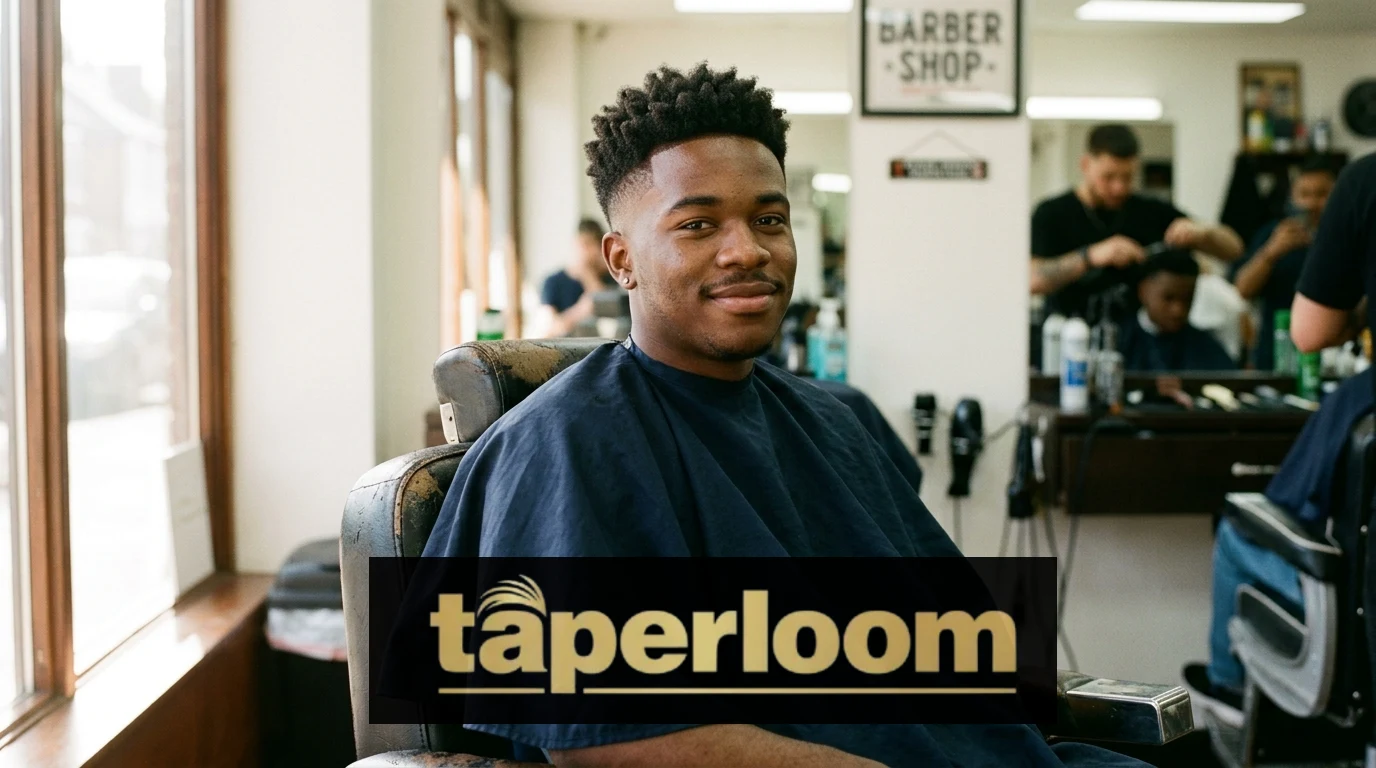
If you’ve been searching for the right low taper fade for short hair, you’ve probably run into the same problem everywhere: vague style names, no real specs, and no clear idea what to actually say to your barber.
This guide fixes that. You’ll get styles broken down by hair type, exact top length and fade specs, real barber scripts, face shape matching, at home maintenance, honest cost ranges, and the questions people actually search before booking a cut. Where we can’t verify a claim, like search volume stats, we’ll say so instead of inventing a number.
What Is a Low Taper Fade on Short Hair?
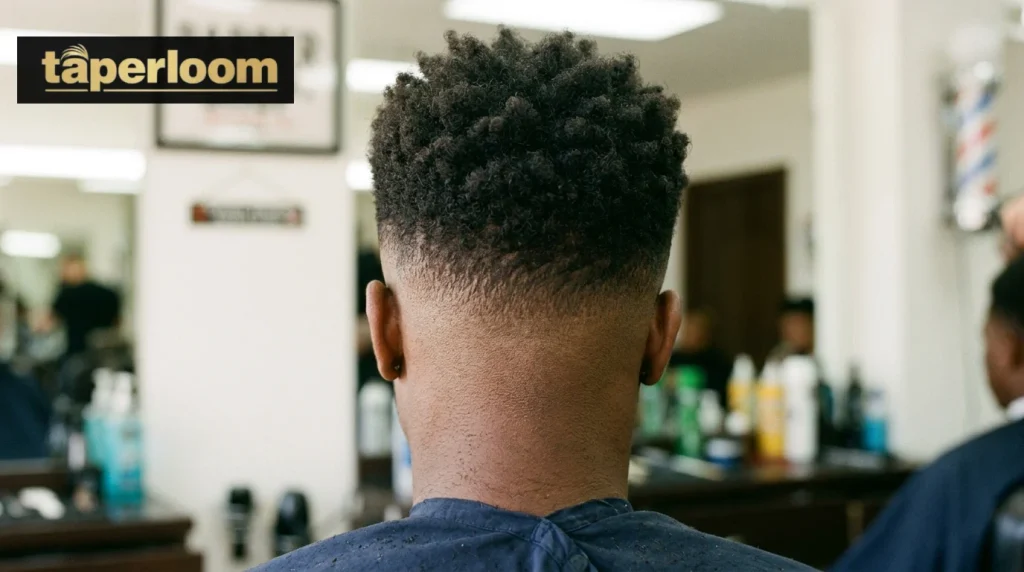
A low taper fade on short hair is a haircut where the top stays short, usually between ⅜ inch and ¾ inch, while the sides and back blend down from that length to near skin or skin tight at the neckline. The fade line starts about 1 to 1.5 inches above the ear, which is what makes it a “low” fade rather than a mid or high one.
The cut works in three zones. The top holds your chosen style. The blend zone, usually 1 to 2 inches wide, is where the barber steps down through clipper guards to create a smooth gradient. The neckline zone is the shortest point, finished as skin, shadow, or a soft natural edge.
Quick specs:
| Spec | Value |
| Fade start point | 1 to 1.5 inches above the ear |
| Top length (short hair) | #3 to #6 guard (⅜” to ¾”) |
| Neckline finish | Skin, shadow, or natural |
| Blend zone width | 1 to 2 inches |
Straight hair shows this fade line sharpest, since there’s no natural curl to soften the contrast. Wavy, curly, and coily hair blur that line a bit on their own, which is why the styling advice later in this guide changes by hair type.
Low Taper vs. Low Taper Fade vs. Mid/High Fade
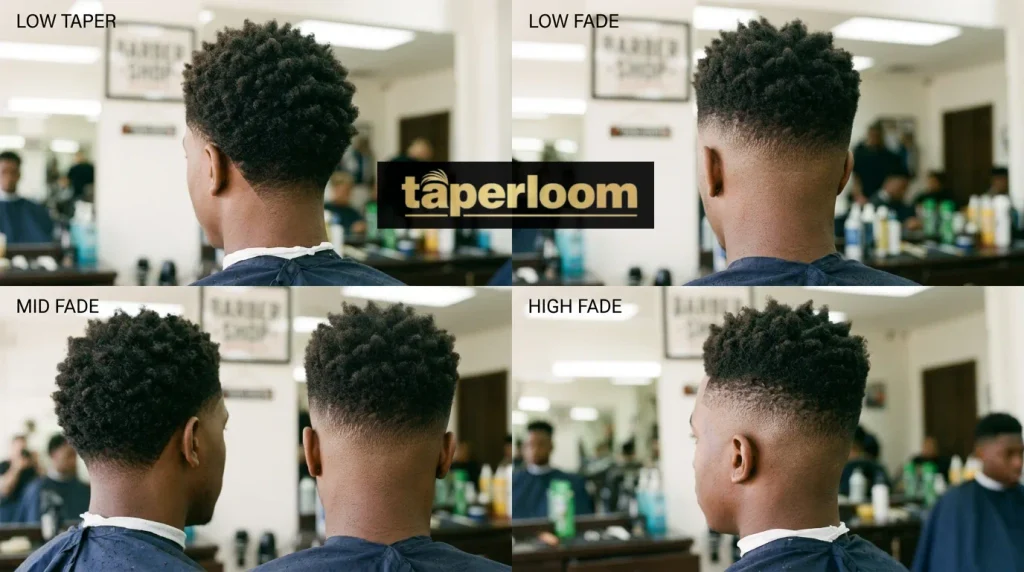
These terms get mixed up constantly, so let’s clear them up before we get into styles.
A low taper (no fade) shortens the sides and back gradually, but it never reaches bare skin. The shortest point usually sits at a #1 or #1.5 guard, so there’s still visible hair at the base. It’s the more conservative option, and it grows out slowly over 4 to 6 weeks.
A low taper fade goes further. The barber blends the sides all the way down to skin or near skin using a #0 guard or no guard at the neckline. The contrast between the short top and the faded sides is sharper and more defined, and it needs a trim every 2 to 3 weeks to stay clean.
A mid taper fade starts higher, around the mid temple, giving more visible contrast. A high fade starts at the temple itself, the boldest option of the three, and it grows out the fastest since the fade sits so high on the head.
| Fade Type | Fade Start Point | Contrast Level | Best For |
| Low Taper (no fade) | Sides shortened, no skin contact | Subtle | Conservative workplaces, longer time between trims |
| Low Taper Fade | 1 to 1.5 inches above the ear | Sharp | Everyday versatility, most face shapes |
| Mid Taper Fade | Mid temple | Moderate to bold | Slightly more edge without going extreme |
| High Fade | At the temple | Boldest | Trend forward, needs frequent maintenance |
If you want something clean enough for the office but sharp enough to notice, the low taper fade sits right in the middle of this chart. That’s a big part of why it’s the most common request in this category right now.
Styles by Hair Type
Your hair type changes which low taper fade style will actually look good with minimal effort, so let’s go texture by texture.
Low Taper Fade for Straight Hair
Straight hair lies flat and holds product well, which makes it the easiest texture to style and the one that shows the fade line the sharpest.
Textured Crop
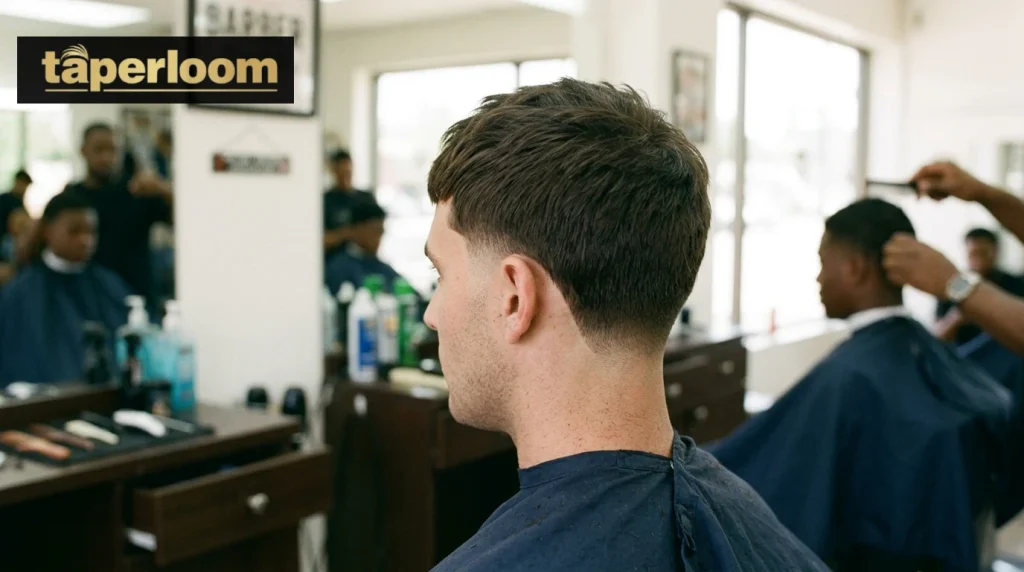
- Top length: 1 to 1.5 inches, cut with choppy layers
- Fade spec: Low taper fade to a #0.5 shadow
- Product: Matte clay
- This is the go to “boardroom to weekend” cut. Rake a pea sized amount of matte clay forward with your fingers and you’re done in under a minute.
Side Part
- Top length: 1.5 to 2 inches
- Fade spec: Low taper fade, optional hard part
- Product: Light pomade
- A clean, classic option for anyone who wants a more polished, executive look.
Slick Back
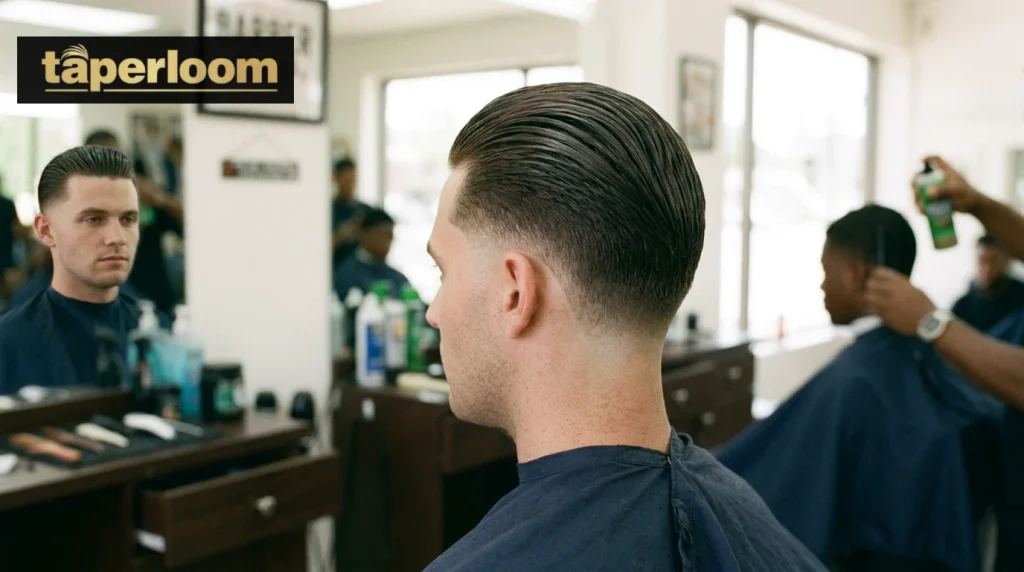
- Top length: 1.5 to 2 inches
- Fade spec: Low skin taper
- Product: High shine or matte pomade
- Works well for formal events since the smooth top contrasts nicely against the tight sides.
Comb Over
- Top length: 1.5 to 2 inches, side directed
- Fade spec: Low taper with a clean sideburn finish
- Product: Light pomade or styling cream
- The most business casual of the bunch, polished without looking stiff.
Low Taper Fade for Wavy Hair
Wavy hair (types 2A to 2C) adds natural movement on its own, so the blend zone looks a bit softer here than on straight hair, and you’ll generally need less product to get texture.
Wavy Messy Top
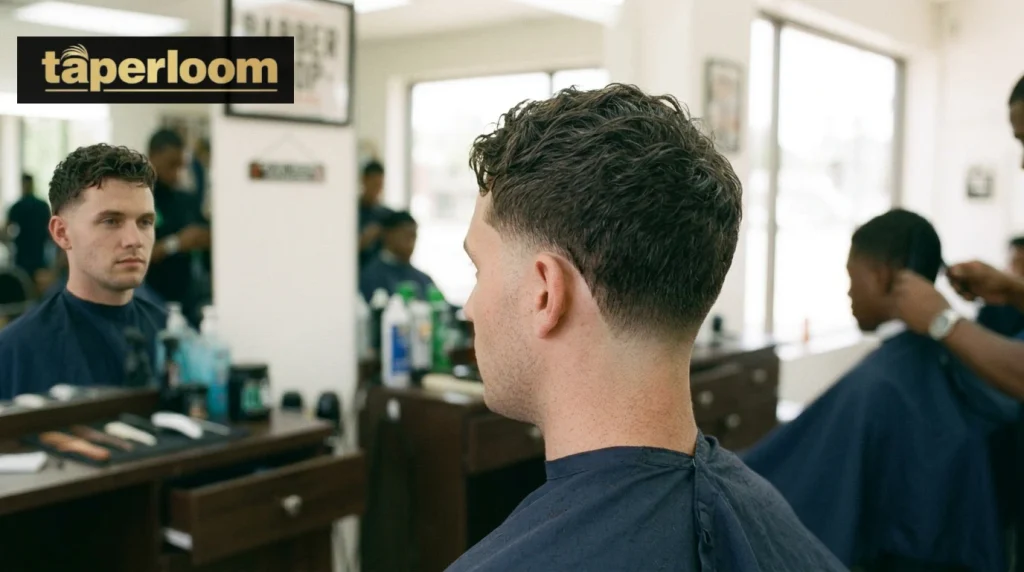
- Top length: 1.5 inches, air dried
- Fade spec: Low shadow taper
- Product: Sea salt spray or a light mousse
- Let the waves do the work. Air dry for natural texture, or blow dry briefly if you want more volume.
Wavy Textured Crop
- Top length: 1 to 1.5 inches, pushed forward
- Fade spec: Low taper fade with a clean neckline
- Product: Light styling cream or wax
- Same structure as the straight hair crop, but the natural wave pattern adds dimension that straight hair usually needs product to fake.
Low Taper Fade for Curly Hair
Curly hair (types 3A to 3C) holds volume and definition even at short lengths, and the low taper fade gives it a clean frame without flattening the curl pattern.
Curly Top
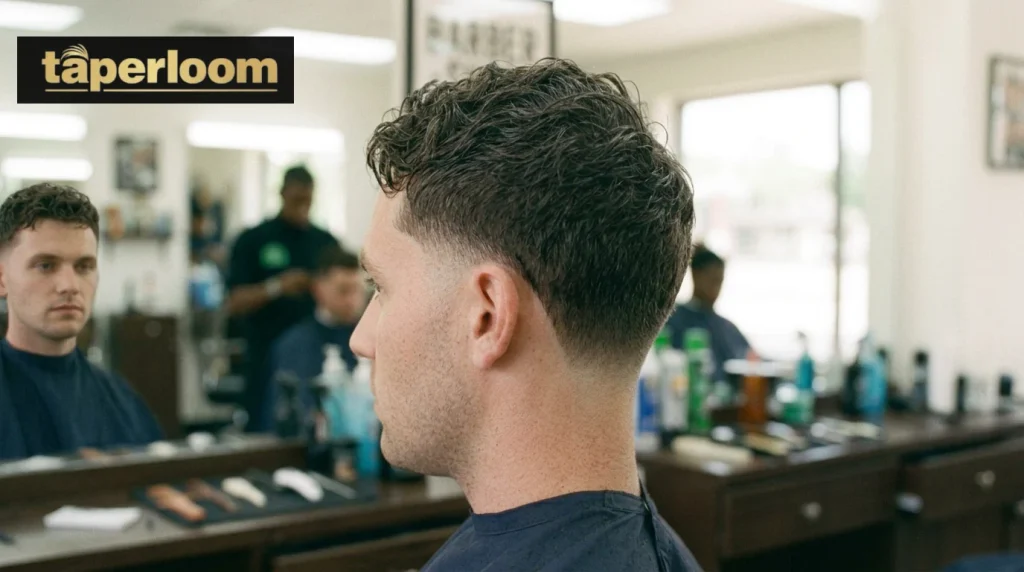
- Top length: 0.75 to 1.25 inches
- Fade spec: Low taper fade to skin
- Product: Curl defining cream, applied with a wide tooth comb
- Curl shrinkage reduces visual length by roughly 25 to 50 percent, so keep that in mind when telling your barber how much to leave on top. Co wash a couple times a week and deep condition weekly to keep curls defined rather than frizzy.
Short Afro
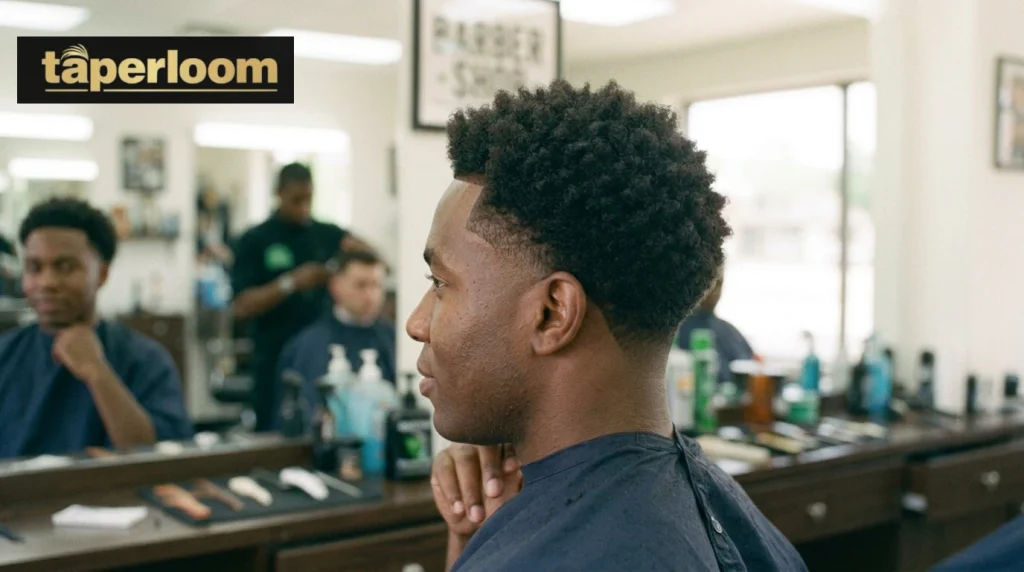
- Top length: 0.75 to 1 inch, picked out
- Fade spec: Low skin taper with an edge up
- Product: Curl cream, plus an afro pick for shape
- The edge up matters as much as the fade here. Ask your barber to define the perimeter with an outliner for a sharp finish.
Burst Fade with Curly Top
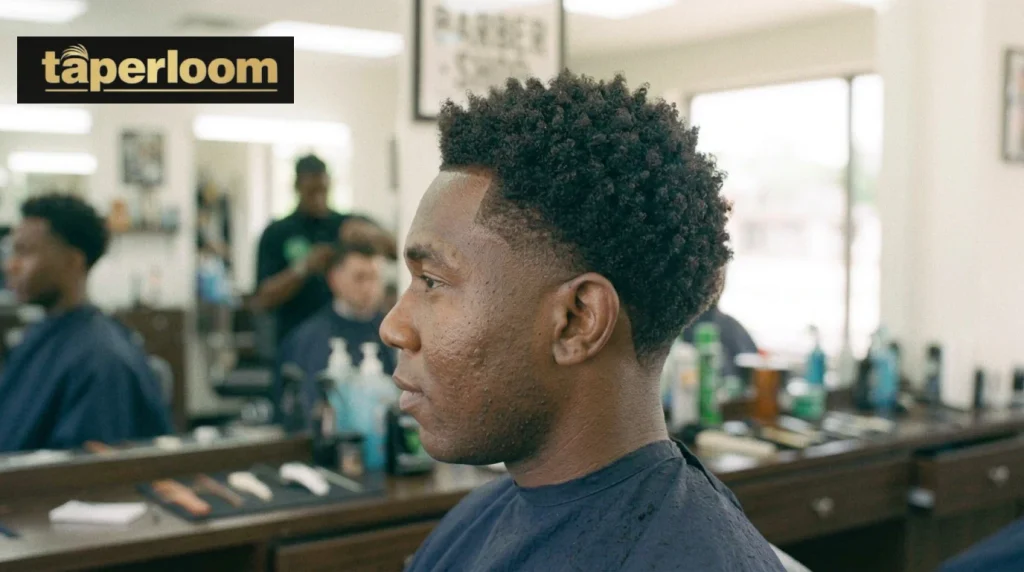
- Top length: 0.5 to 1 inch
- Fade spec: Burst pattern, curving around the ear instead of a straight line
- Product: Light curl cream with sea salt spray
- This isn’t a standard low taper fade line. The burst shape follows the natural curve of the ear, which pairs especially well with a rounded curl pattern on top.
Low Taper Fade for Coily Hair
Type 4 hair (4A, 4B, 4C) has the highest shrinkage of any texture. Your actual strand length can be 50 to 70 percent longer than what you see, so a top that looks like an inch might really be 2 to 3 inches of hair when stretched out. The low taper fade gives this texture a sharp, defined perimeter.
Coily Top with Edge Up
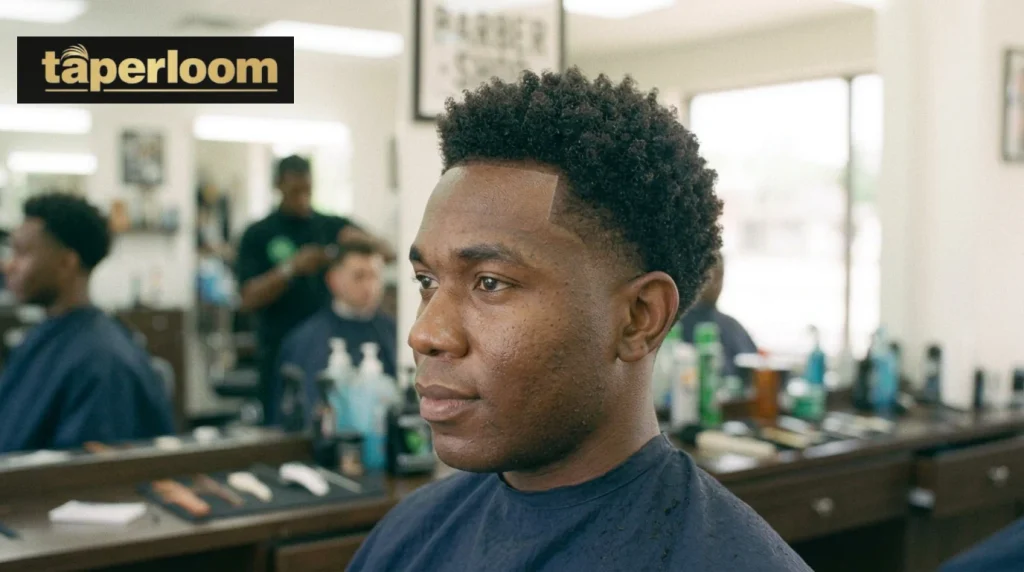
- Top length: ¾ to 1 inch of actual length
- Fade spec: Low skin taper with a weekly edge up
- Product: Edge control for the hairline, cocoa butter for the scalp
- This is the standard barbershop combination for Type 4 hair. The edge up needs the most frequent attention here since new growth shows at the hairline fastest.
Coily Top with Highlights
- Top length: 1 inch of tight coils
- Fade spec: Low skin taper
- Product: Sulfate free, color safe shampoo plus a curl smoothie
- Caramel or honey toned highlights add dimension on top while the clean fade underneath keeps the whole look sharp rather than busy.
Low Taper Fade for Thick Hair
Thick hair holds its shape well at short lengths, but bulk needs to be managed properly or the sides can look heavy.
Thick Textured Crop
- Top length: 1 inch, point cut to remove bulk
- Fade spec: Low taper fade
- Product: Matte clay
- Ask for thinning shears every second or third cut. That keeps the top controlled without it puffing out by mid afternoon.
Low Taper Fade for Thin or Thinning Hair
Thin and thinning hair need a different approach entirely. The goal isn’t sharpness, it’s the appearance of density.
Shadow Low Taper Fade
- Top length: 1 to 1.5 inches
- Fade spec: Shadow fade, blended from a #3 to a #1 guard, never reaching skin
- Product: A fiber based styling product that adds grip without weight
- Skin contact creates a hard line between “full on top” and “bald on the sides,” which draws attention to thinning. A shadow fade avoids that contrast entirely. Tell your barber “shadow taper, no skin” so there’s no confusion at the chair.
Styles by Top Length: Short on Top Variations
When people say “low taper fade, short on top,” they usually mean the top stays under about 1.5 inches, with little to no daily styling needed. Here are the four most requested versions.
Buzz Cut
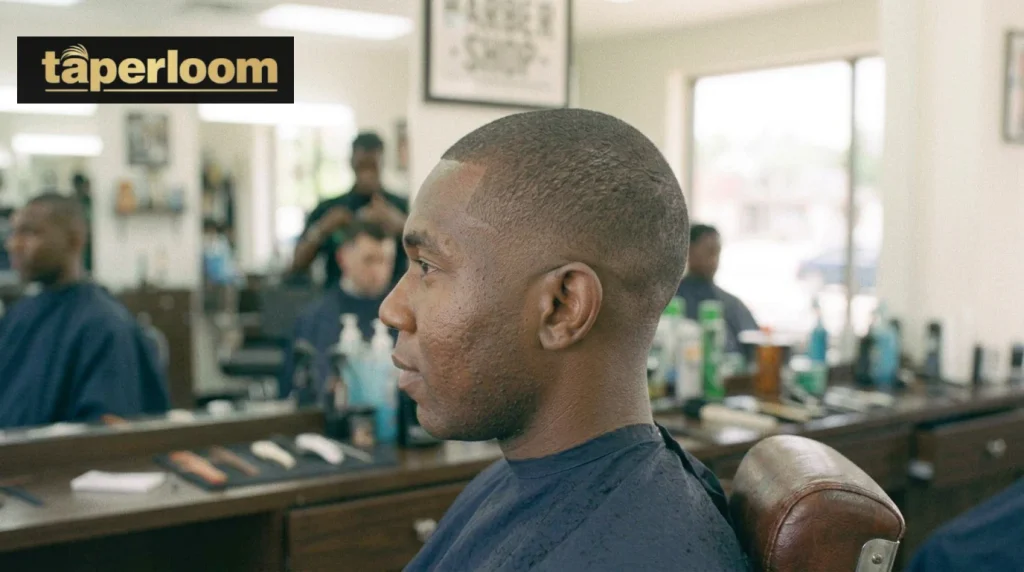
- Top length: #1 to #2 guard (⅛” to ¼”)
- Fade spec: Low taper fade to zero at the temples and neckline
- Product: None needed
- The lowest maintenance option here. No comb, no product, ready the moment you towel off. It also holds its shape the longest, often 4 to 5 weeks before it starts looking overgrown.
Crew Cut
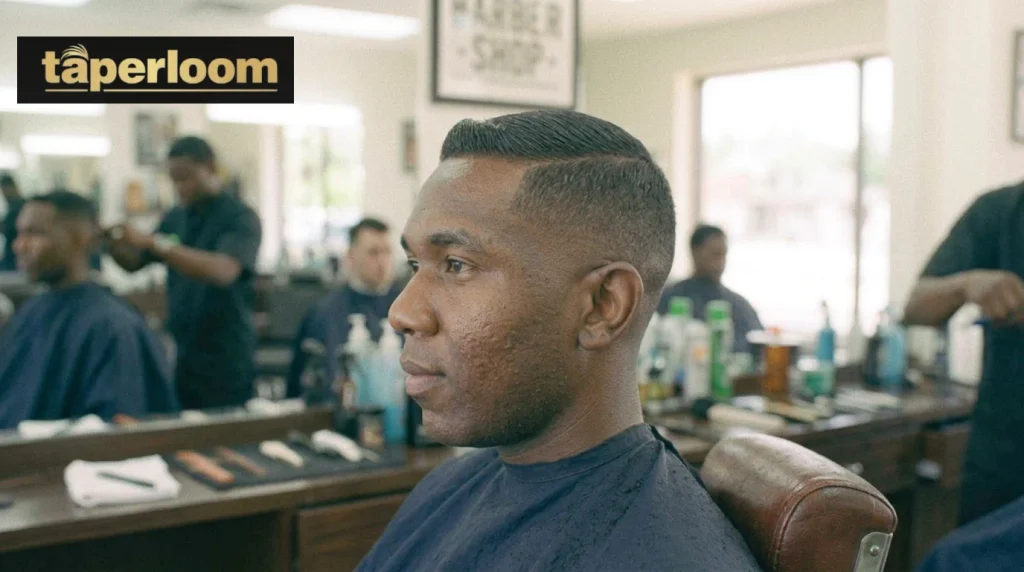
- Top length: 1 to 1.5 inches
- Fade spec: Low taper fade
- Product: Light styling cream or matte pomade
- A style that’s stayed popular for decades because it works everywhere, from job interviews to weekends.
French Crop
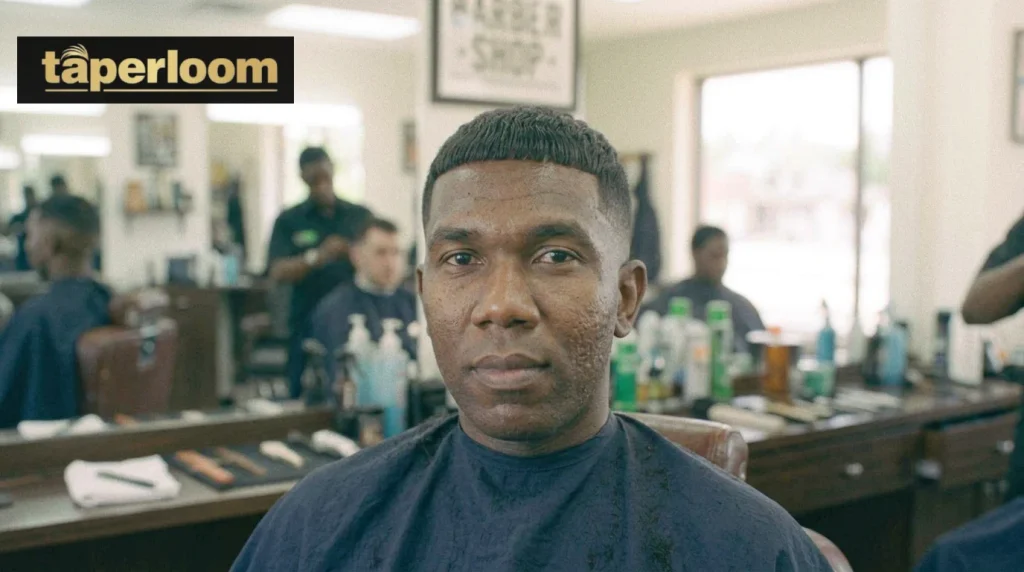
- Top length: 1 to 1.5 inches, with a blunt fringe
- Fade spec: Low taper fade
- Product: Matte clay, finger pressed forward
- The straight, horizontal fringe across the forehead is what separates this from a standard textured crop.
Caesar Cut
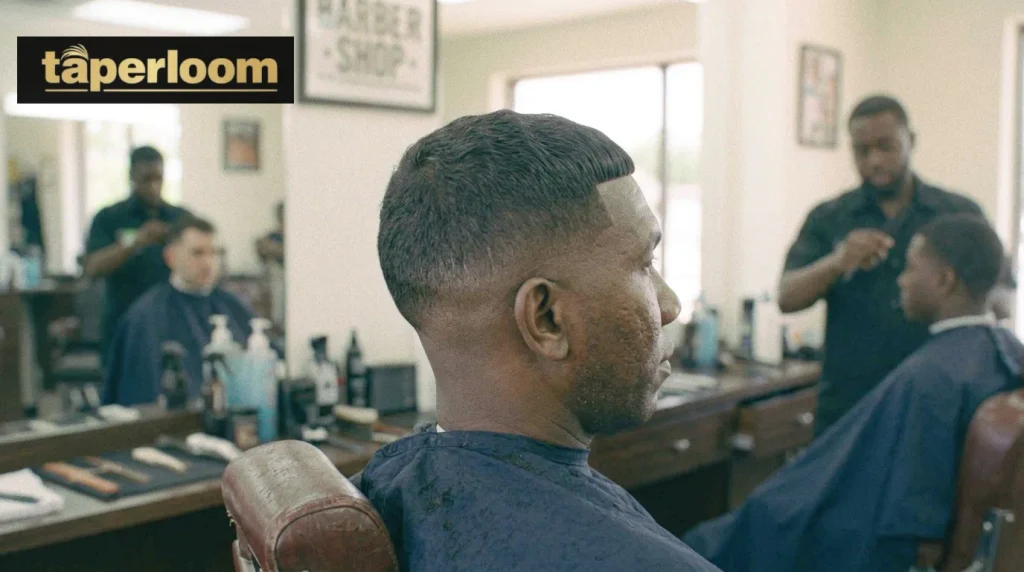
- Top length: 1 to 1.5 inches, with horizontal bangs laid flat
- Fade spec: Low taper fade
- Product: Light pomade or styling cream
- A classic Roman inspired shape that pairs especially well with oval and round face shapes.
Which Face Shape Suits Which Variation
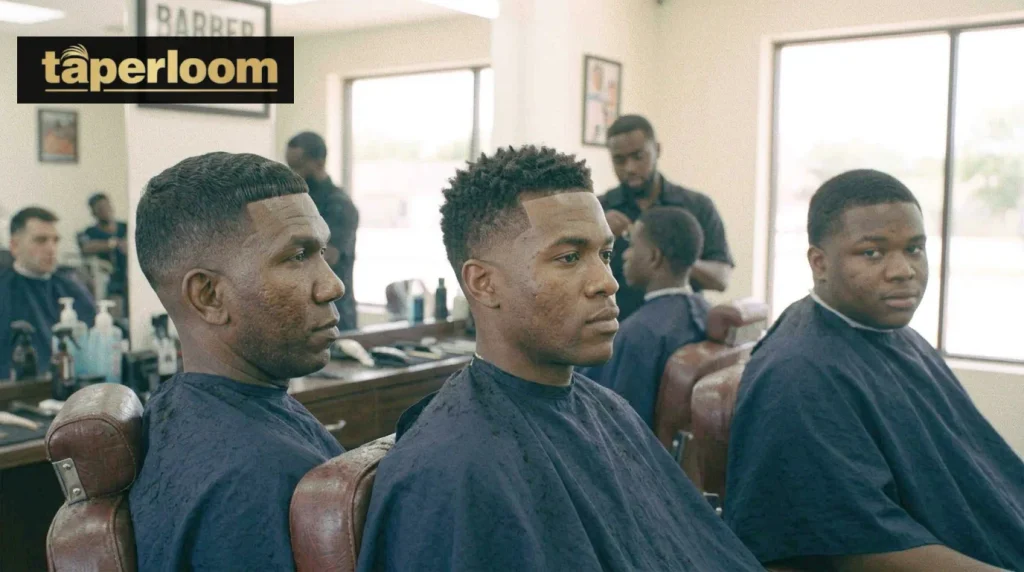
The low taper fade works across every face shape, but the top length and style you pair it with makes a real difference in how balanced it looks.
| Face Shape | Why It Works | Best Variation | Ideal Top Length |
| Oval | Naturally balanced proportions, most flexible shape | Any style on this list | 1.5″, most forgiving |
| Round | Height on top adds a lengthening effect | Crew cut, textured crop | 1.75″ with some lift |
| Square | Softer, textured top eases a strong jawline | Messy top, textured crop | 1″ textured |
| Heart | Less volume on top balances a wider forehead | Buzz cut, French crop | 0.75″ |
| Diamond | Draws attention to the cheekbones | Burst fade, side part | 1.5″ |
| Oblong / Long | Shorter top avoids adding extra length to the face | Crew cut, Caesar cut | 1″ max |
| Triangle | Width on top balances a narrower forehead | Side part, comb over | 1.5″ to 2″ |
If you’re not sure which shape you are, look at your face straight on in good lighting and compare the width of your forehead, cheekbones, and jawline. Whichever is widest usually tells you the shape you’re working with.
How to Ask Your Barber: Exact Scripts
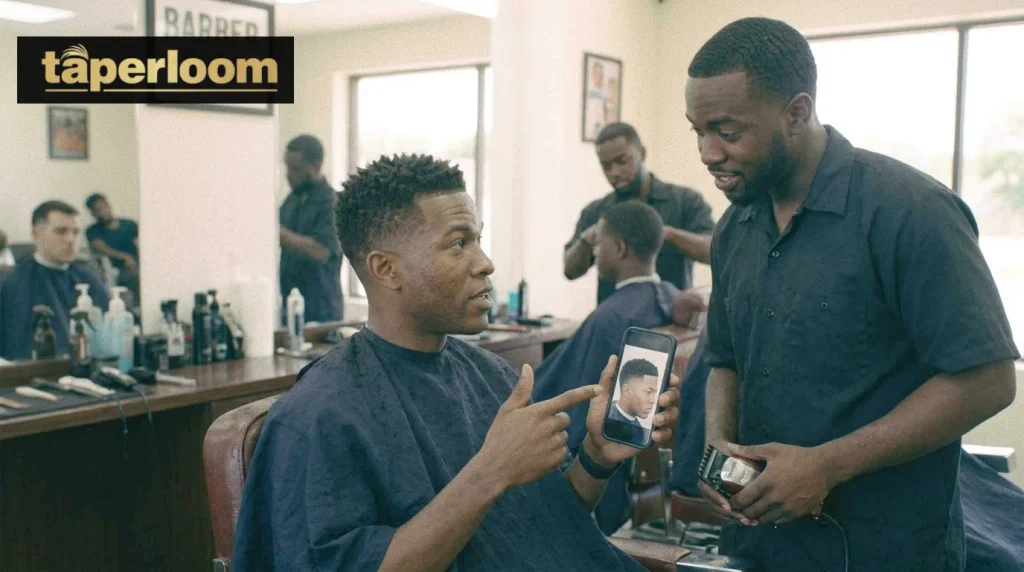
Most disappointing haircuts come from vague instructions, not bad barbers. Tell your barber three things every time: the fade height, the top length, and the neckline finish.
A solid general script: “I want a low taper fade starting about 1 inch above my ear, blended to skin at the neckline, with the top at a #4 guard.” Bring a reference photo from the front, side, and back if you can. Barbers work in three dimensions, and one angle only gives them part of the picture.
Scripts by style:
| Style | What to Say |
| Textured Crop | “Low taper fade starting 1 inch above the ear, blended to skin. Top at a #4, point cut for texture.” |
| Buzz Cut | “Buzz cut, #2 on top, low taper fade to zero at the temples and neckline.” |
| Crew Cut | “Crew cut, about 1.5 inches on top, low taper fade starting 1 inch above the ear, natural neckline.” |
| French Crop | “French crop, low taper fade, blunt fringe forward, 1.5 inches on top, faded to skin on the sides.” |
| Side Part | “Side part, 1.5 inches on top, low taper fade to shadow, no skin. Hard part etched in.” |
| Curly Top | “Keep curls at ¾ inch on top, low skin taper starting 1 inch above the ear, edge up the hairline.” |
| Shadow Fade (thinning hair) | “Shadow fade, no skin. Blend from a #3 to a #1 low on the sides. Keep 1 inch on top.” |
What not to say:
- “Just a fade” gives no height, length, or finish, so the outcome is basically a guess.
- “Whatever looks good” puts the entire decision on your barber with zero direction.
- “A little shorter on the sides” doesn’t specify a guard number or fade height.
- “Like last time” only works if your barber remembers your exact cut, which isn’t guaranteed even if you’re a regular.
- “Not too short” means something different to everyone in the chair.
Stick to guard numbers, inches, and a clear neckline finish, and you’ll get a consistent result every time.
Can You Fade Your Own Hair at Home?
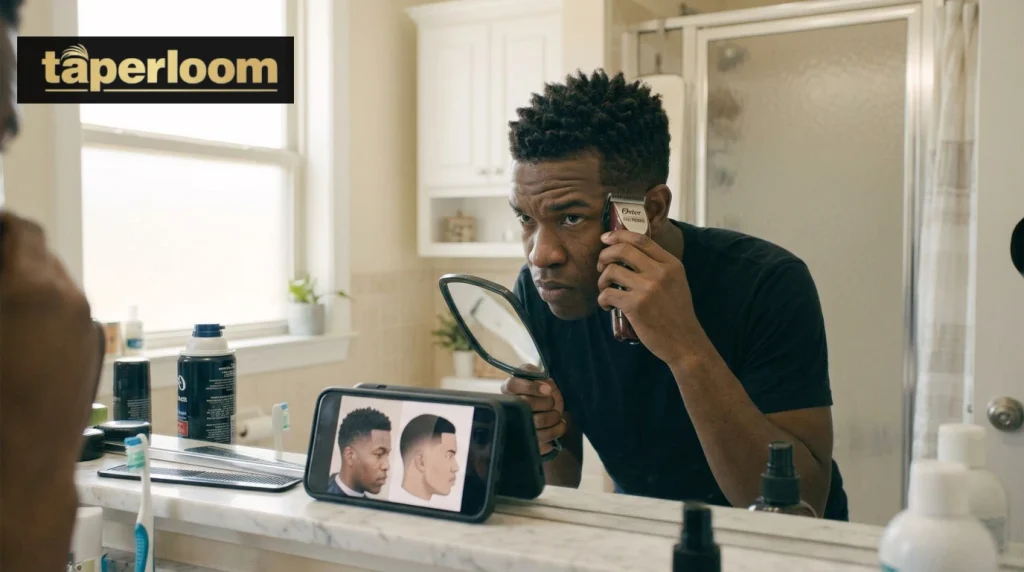
Yes, but only for touch ups between professional visits. The first low taper fade needs a barber, since creating the initial guideline and blending it smoothly is the hardest part of the whole cut, and getting it wrong at this stage collapses the entire gradient.
Once a barber has set the shape, you can maintain it yourself with a clipper like a Wahl Magic Clip or an Andis cordless trimmer.
At home maintenance steps:
| Step | Guard | Action |
| 1 | #4 | Clean up the top, keep the existing shape |
| 2 | #2 | Re establish the guideline about 1 inch above the ear |
| 3 | #1.5 | First blend pass, flick the clippers outward |
| 4 | #1 | Second blend pass, tighten the gradient |
| 5 | #0.5 | Refine the lower third near the neckline |
| 6 | No guard | Outline the edges and neckline with a trimmer |
| 7 | Scissors | Point cut the top if it needs texturizing |
| 8 | None | Check all angles in a mirror under bright light |
Work in small sections and check constantly. If you’re not confident, keep touch ups limited to the neckline and around the ears, and leave the full re fade to your barber every 2 to 4 weeks.
How to Style It Day to Day
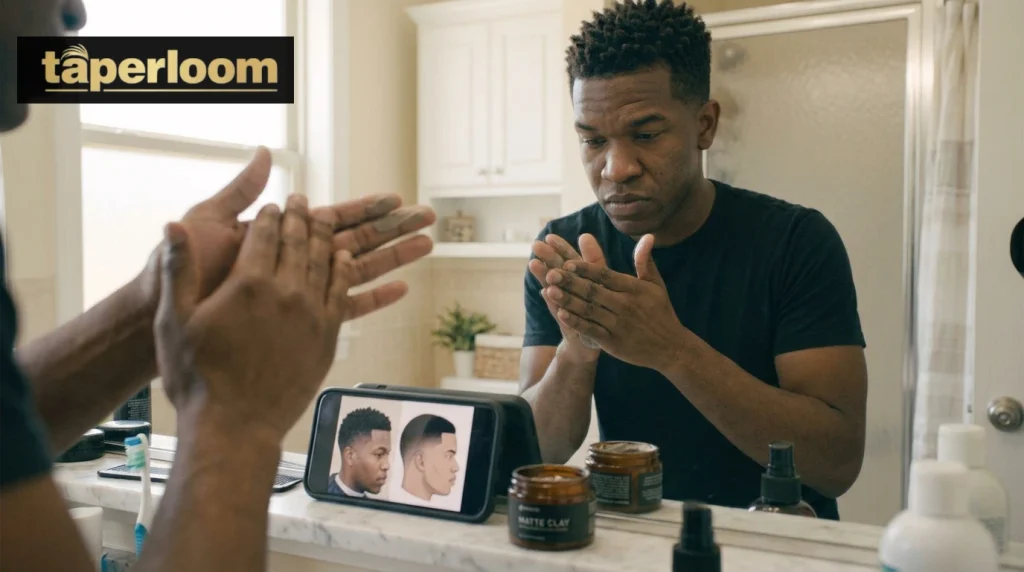
The right product depends on your hair type, not just what looks trendy. Here’s what actually works for each texture.
| Hair Type | Product | Hold | How to Apply |
| Straight | Matte clay | Strong | Emulsify in palms, rake through |
| Wavy | Sea salt spray | Light | Spray from a few inches away, scrunch upward |
| Curly | Curl defining cream | Light to medium | Rake through curl by curl on damp hair |
| Coily | Edge control plus a curl smoothie | Strong | Apply to damp hair, define section by section |
| Thick | Matte clay | Strong | Emulsify thoroughly, work through in sections |
| Thin or thinning | Fiber based styling product | Medium | Small amount, focus on texture, not weight |
Daily routine:
- Wash with a sulfate free shampoo 2 to 3 times a week. Washing daily strips natural oils and can dry out your scalp.
- Towel dry to about 70 percent, patting rather than rubbing. Rubbing causes frizz, especially on wavy and curly textures.
- Apply a pea sized amount of product, emulsified between your palms before it touches your hair.
- Style with your fingers in the direction of your cut, forward for crops, back for slick backs, sideways for parts.
- If you want extra lift, finish with a short cool shot blast from a blow dryer. This step is optional and mostly useful for straight and wavy hair.
The whole routine takes under two minutes once you’ve got it down.
Maintenance and Grow Out Timeline
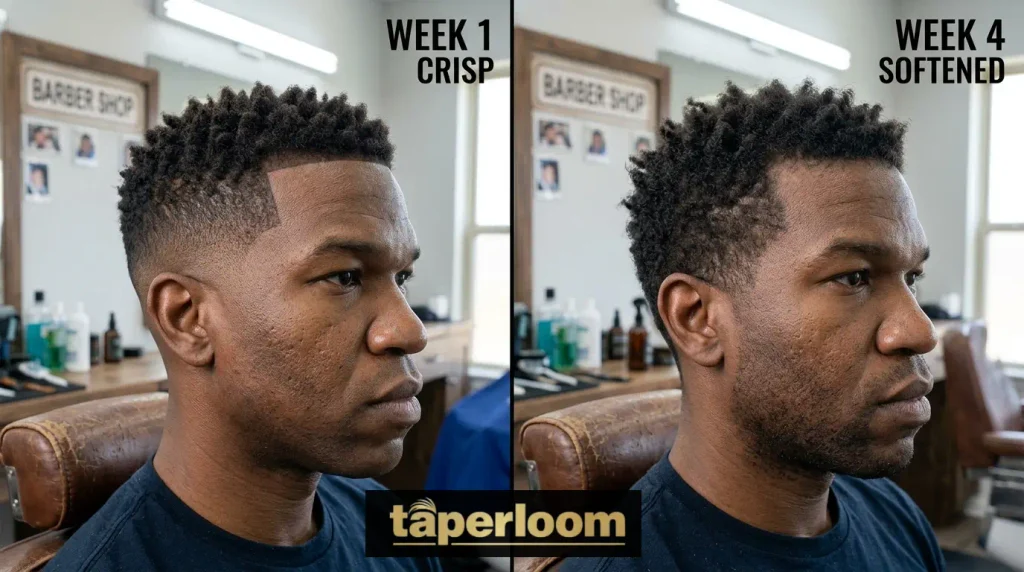
How often you need a trim depends on which version of the low taper fade you’re wearing. Skin fades need the most attention since new growth shows fastest right at the neckline. Shadow tapers and low tapers without skin contact can stretch further between visits.
General trim schedule:
| Fade Type | Recommended Trim Frequency |
| Low taper fade to skin | Every 2 weeks |
| Low taper fade to shadow | Every 3 to 4 weeks |
| Low taper (no fade) | Every 4 to 6 weeks |
A quick trimmer touch up on the neckline and around the ears between visits can stretch the clean look by another 5 to 7 days.
What to expect week by week:
| Week | What’s Happening | What to Do |
| 1 to 2 | Fade line is crisp, top is at ideal length | Nothing, this is peak sharpness |
| 3 | Fade line softens slightly, still presentable | Optional neckline touch up at home |
| 4 | Fade visibly blurring, top noticeably longer | Book a barber visit |
| 5 to 6 | Blends into more of a natural taper look | Full reshape needed |
One real advantage of the low taper fade is how it grows out. Because the transition starts lower on the head to begin with, the blend zone widens gradually as hair grows instead of leaving a hard, obvious line. That’s part of why it’s a better choice than a high or skin fade if you can’t get to the barbershop every two weeks.
Cost Guide
Pricing for a low taper fade varies a lot depending on your city and the type of barbershop you go to. These are general ranges, not fixed prices, since costs shift by location and by shop.
| Shop Type | Typical Price Range | How Often You’ll Likely Need a Trim |
| Chain or budget barbershop | $20 to $35 | Every 2 to 3 weeks for a skin fade |
| Independent local barbershop | $35 to $55 | Every 2 to 3 weeks for a skin fade |
| Premium or high end barbershop | $55 to $100+ | Every 2 to 3 weeks for a skin fade |
If you’re getting a shadow taper or a low taper without skin contact, you can generally stretch these visits to every 3 to 4 weeks, which lowers your total cost over a year even if the per visit price is the same.
Always factor in a tip of 15 to 20 percent on top of the base price. Some barbershops also offer monthly membership plans for regular clients, which can bring the per visit cost down if you’re getting trimmed every 2 to 3 weeks anyway. It’s worth asking your barbershop directly, since these plans and prices change shop to shop and aren’t something we can verify universally here.
Beard Pairings
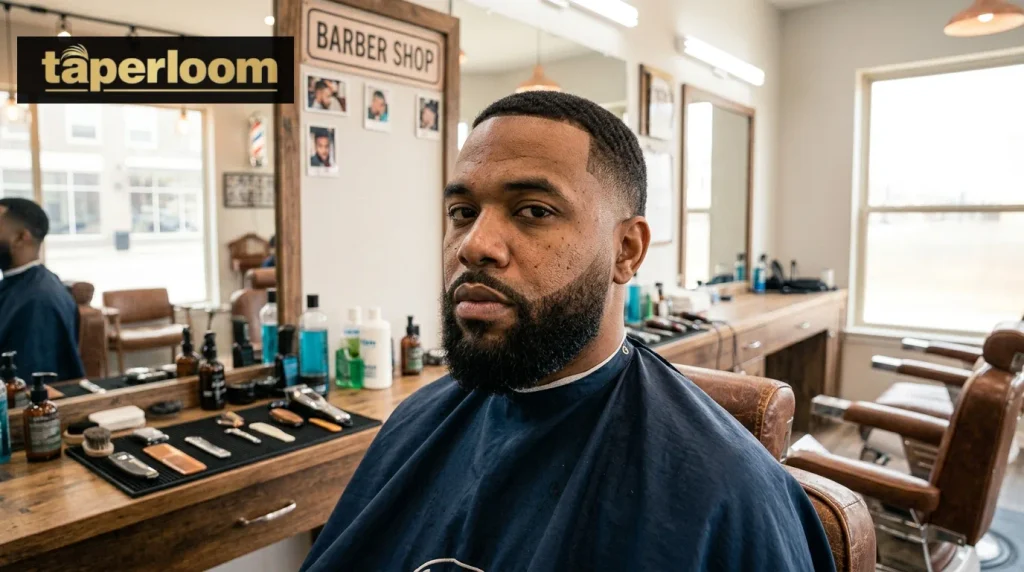
The right beard can sharpen a low taper fade even further, since a clean beard line and a clean fade work off the same idea: controlled contrast.
| Beard Style | Best Fade Pairing | Overall Look |
| Full beard | Low skin taper | Rugged, more mature |
| Short beard (1 to 2 inches) | Low taper blended into the beard line | Balanced, masculine |
| 3 day stubble | Shadow taper | Casual, low effort |
| Goatee | Low taper, clean sides | Sharper contrast focus |
| Clean shaven | Low skin taper | Precise, lets the fade stand out fully |
If you’re pairing a beard with your fade, ask your barber specifically for a “beard fade,” where the sideburn blends directly into the beard line instead of stopping abruptly. That one detail is what separates a cut that looks finished from one that looks like two different haircuts stitched together.
Frequently Asked Questions
How long does a low taper fade on short hair last?
A skin fade needs a trim every 2 weeks, while a shadow or low taper without skin contact can last 3 to 4 weeks before it needs a refresh.
Does a low taper fade work on very short hair like a buzz cut?
Yes. The fade line still starts 1 to 1.5 inches above the ear regardless of your top length, so it pairs fine with a #1 or #2 buzz cut.
What’s the difference between a low taper fade and a mid taper fade?
A low taper fade starts 1 to 1.5 inches above the ear for a subtle look, while a mid taper starts at the mid temple for more visible contrast.
Is a low taper fade good for thinning hair?
Yes, specifically the shadow fade version, since blending from a #3 to a #1 without reaching skin avoids the harsh contrast that can draw attention to thin spots.
Can women get a low taper fade?
Yes. It’s applied the same way on pixie cuts, short bobs, and buzz cuts, adjusted for the hairline shape.
What guard number does a barber use for a low taper fade on short hair?
Typically a #4 to #6 guard on top, then stepping down through #3, #2, #1.5, #1, and #0 or no guard on the sides.
Is a low taper fade appropriate for a job interview or conservative workplace?
Yes, it’s generally considered one of the more professional fade options since the contrast is subtle rather than sharp.
How do I know if my fade has grown out too much to fix at home?
If the original guideline has fully blurred and the sides look uneven rather than just softened, it’s time for a barber visit instead of a home touch up.
Building Real Differentiation (Production Notes)
The sections above cover everything competitors already do well. These are the pieces that actually create an edge, and they need real input, not more writing, so treat this as a production checklist rather than filler content.
Ask a Barber Q&A
- Reach out to one licensed barber, even a quick email or DM exchange works.
- Ask them 3 to 4 real questions: which low taper fade variation they get asked for most, the most common mistake clients make when describing what they want, and one tip for explaining a shadow fade versus a skin fade.
- Publish their name, shop, and a short credential line. This single element does more for trust than any amount of extra text.
Before and After or Process Photos
- Use real photos from an actual haircut, licensed or your own with permission, not generic stock images.
- Even 4 to 5 photos showing the guideline being set, the blend zone, and the finished neckline will separate this article from every competitor using the same stock style shots.
In Page Decision Helper
- A short 3 question in page helper (hair type, face shape, maintenance tolerance) that points to one of the styles already covered above.
- Keeps people engaged on the page itself and gives them a faster answer than scrolling the whole guide again.
Short Video or GIF Demo
- A 10 to 15 second clip showing the actual blend technique, the clipper flick motion mentioned in the at home section.
- This is the one gap nobody in the SERP has filled.
None of these require rewriting the article. They require one barber conversation, a camera, and a short embed, and they’re what actually moves this piece from “same as everyone else” to genuinely more useful.
Final Thoughts
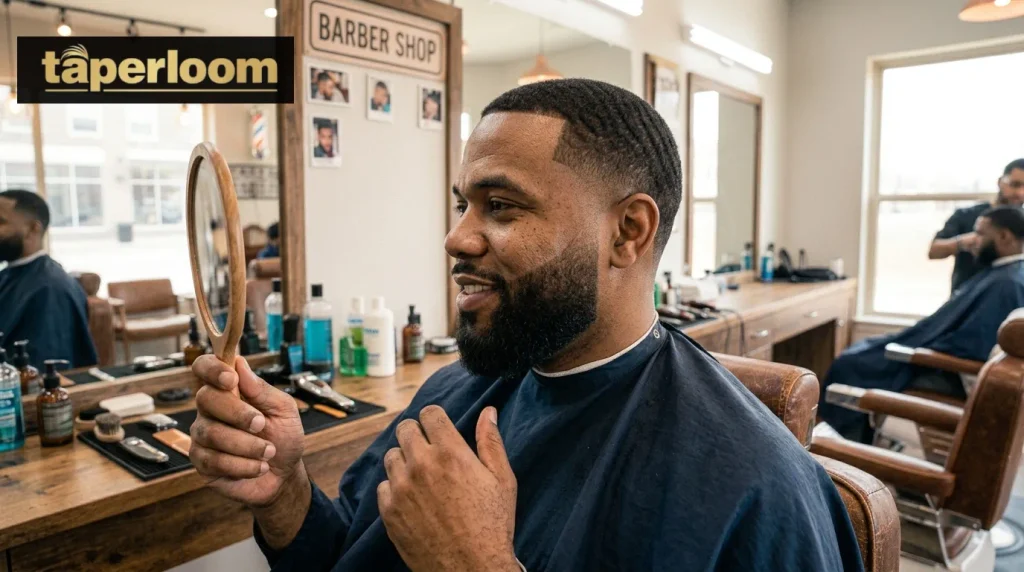
The low taper fade earns its popularity honestly. It works across straight, wavy, curly, and coily hair, flatters every face shape with the right top length, and grows out cleaner than a mid or high fade, which means fewer emergency barbershop visits.
Getting it right comes down to two things: picking the variation that actually matches your hair type and face shape, and using specific, measurable language with your barber instead of vague requests. Bring a reference photo, use the scripts above, and you’ll walk out with a cut that looks intentional on day one and still looks decent on day twenty.
Read Next Low Taper Fade Long Hair: Best Styles, Hair Types & Barber Guide

Muhammad Kaleem is a content creator who writes about hair care, hairstyles, grooming, and everyday hair trends. He enjoys turning hair-related topics into simple, practical, and easy-to-understand content that helps readers make informed choices about their hair and personal style.