

Choosing from the long list of hairstyles for men is harder than it should be. Most guides show you a photo and a name, then leave you to guess whether the cut will work on your hair.
This guide goes a step further. You’ll learn the names of the most common haircut styles, see how a fade differs from a taper, and find out which cuts suit thick, curly, fine or thinning hair.
You’ll also get a simple script for telling your barber exactly what you want, so you don’t leave the chair with something you didn’t ask for.
We’ve also covered what many guides skip: thick, coarse hair and hot, humid weather, where some popular cuts stop looking good by the afternoon.
Quick answer: Textured crops, crew cuts, side parts with a taper, and low fades are the most versatile choices. They suit many hair types and don’t need much styling. Still, the best haircut for you depends on your hair type, face shape and how much time you want to spend on it each morning.
Quick Picks: Best Haircut for Men by Need
If you just want a starting point, use this table. Find the situation that sounds most like yours, then read the full section on that cut later in the article.
| Your need | Good style to ask for | Typical trim schedule |
| Low maintenance | Buzz cut or crew cut | Every 4 to 6 weeks (a buzz cut can often go longer) |
| Office and professional settings | Side part with a low taper, or a crew cut | Every 3 to 5 weeks |
| Thick hair | Textured crop with a taper | Every 4 to 5 weeks |
| Thinning hair | Caesar cut, short textured crop or a close buzz | Every 4 to 6 weeks |
| Hot weather | Short crew cut, or a short taper with a low fade | Every 3 to 4 weeks |
Trim schedules are general ranges. Hair that grows fast, or a sharp fade, will need visits sooner.
How to use this table
- Start with the need that matters most. If you hate morning styling, choose from the “low maintenance” row, even if another row also fits you.
- Check your hair type next. A cut that works for straight hair can behave very differently on thick or curly hair. The hair type section later in this guide covers this in detail.
- Think about upkeep before you commit. Short, sharply faded sides look best for the first couple of weeks and need frequent trims. A crew cut or buzz cut grows out more forgivingly.
- Bring a photo. Even with the right name, “textured crop” can mean slightly different things to different barbers. A reference picture removes the guesswork.
Men’s Haircut Names with Pictures
Knowing the right name helps you describe what you want, and it also makes it easier to find good reference photos. Barbers and salons don’t always use the same words, though. A “textured crop” at one shop might be called a “short choppy top” at another, so treat these names as a shared starting point and always back them up with a picture.
Every haircut name below is one line, grouped by the length of hair you’re working with. Each cut is covered in more detail in the sections that follow.
Short haircut names
| Name | What it looks like |
| Buzz cut | The whole head is clipped to one even length. |
| Crew cut | Short sides with a slightly longer top, neatly kept. |
| French crop | A short textured top with a straight, short fringe in front. |
| Caesar cut | Short, even hair with a small fringe brushed forward. |
| Textured crop | A short, choppy top with natural movement and short sides. |
| Ivy League | A longer crew cut with enough length on top for a side part. |
| High and tight | Very short sides and a short top, often with a clean shape. |
| Flat top | The top is cut level so the hair stands up in a flat shape. |
Fade and taper names
| Name | What it looks like |
| Taper | The hair gets gradually shorter toward the neckline and ears but never goes down to bare skin. |
| Low fade | The fade starts low, near the ears and neckline. |
| Mid fade | The fade starts around the middle of the sides. |
| High fade | The fade starts higher up the head for a stronger contrast. |
| Skin fade | The hair blends all the way down to bare skin. |
| Drop fade | The fade line curves down behind the ear. |
| Burst fade | The fade curves around the ear, often with more length left at the back. |
Medium length names
| Name | What it looks like |
| Quiff | The front is brushed up and slightly back for volume. |
| Pompadour | A taller, fuller version of the quiff with more height at the front. |
| Side part | Hair is parted to one side and combed neatly. |
| Slick back | Hair is combed straight back with product. |
| Comb over | Hair is combed to one side, often paired with a short taper or fade. |
| Textured fringe or curtain style | A longer front that falls forward or parts in the middle. |
| Undercut | Short sides with a clearly longer top and a visible contrast between them. |
Short Hairstyles for Men
Short cuts are the easiest place to start. They need little styling, they stay tidy in hot weather, and most of them work on a wide range of hair types.
The main differences are how much hair is left on top, how the front is shaped, and how the sides are finished.
Each cut below follows the same format, so you can compare them quickly.
Buzz Cut
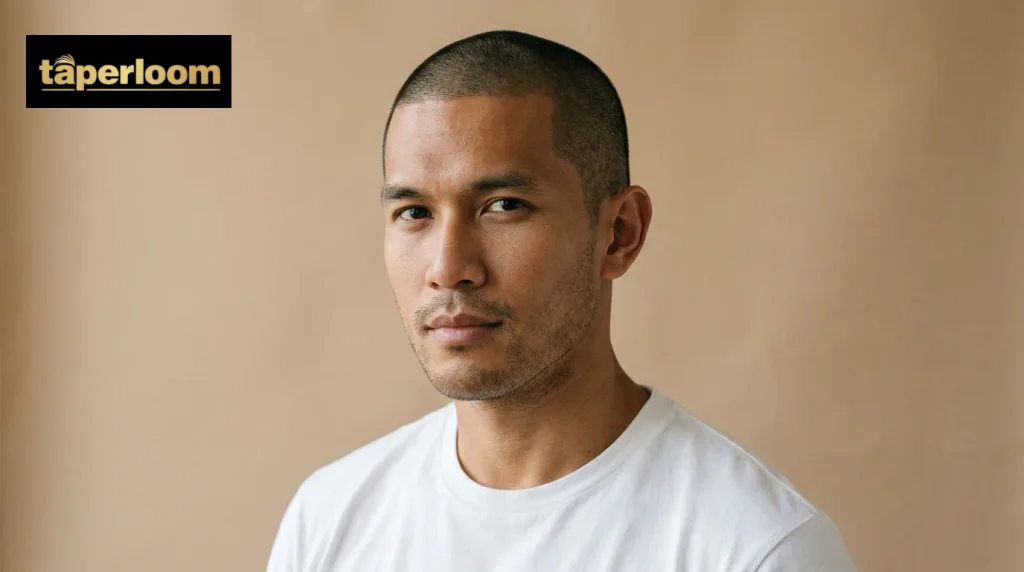
What it is: The whole head is clipped to one even length with clippers.
- Best for: Almost any hair type. It works well on thick, coarse hair because there is nothing to tame. A well shaped head and clean hairline help it look sharp.
- Maintenance: Very low. It needs a tidy up every few weeks, but it grows out evenly.
- Styling time: None. Wash it and go.
- What to tell your barber: “Clipper cut all over, with a guard number I’m happy with, and a clean line at the neck and around the ears.” Guard sizes differ between brands, so ask the barber to start longer and go shorter if you’re unsure.
- Product: Usually none. A light moisturiser on the scalp helps if it feels dry.
Crew Cut
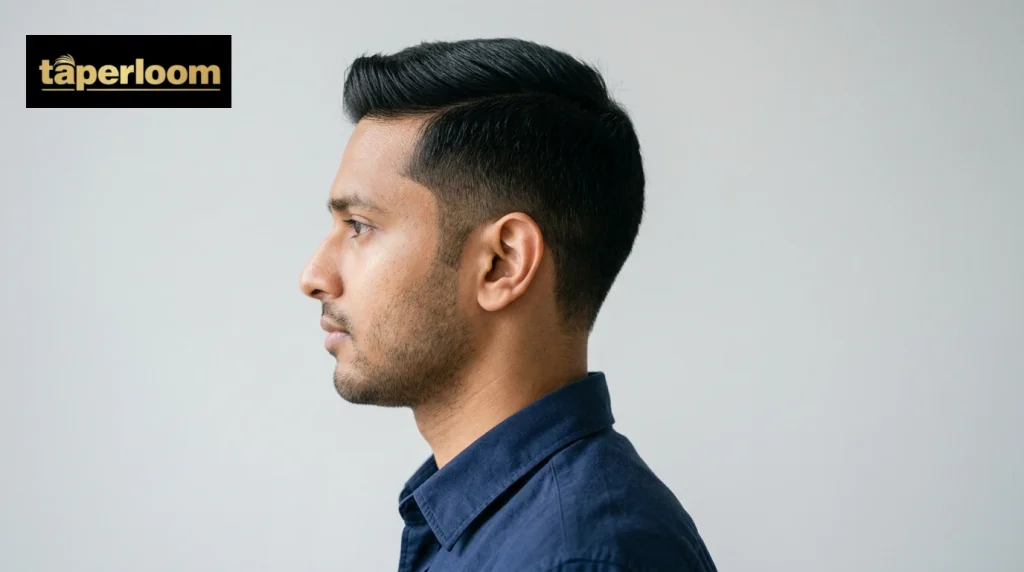
What it is: Short sides and back with a slightly longer top, kept neat and simple.
- Best for: Straight and wavy hair, and thick hair that tends to stand up. It suits most face shapes and looks fine in an office or a college setting.
- Maintenance: Low. It grows out without looking messy for a while.
- Styling time: About 1 to 2 minutes.
- What to tell your barber: “Crew cut, short on the sides and back, about [length] on top, and tapered at the neckline.”
- Product: A little matte paste or clay if you want the top to stay in place. Skip it if your hair is short enough to stay tidy on its own.
French Crop
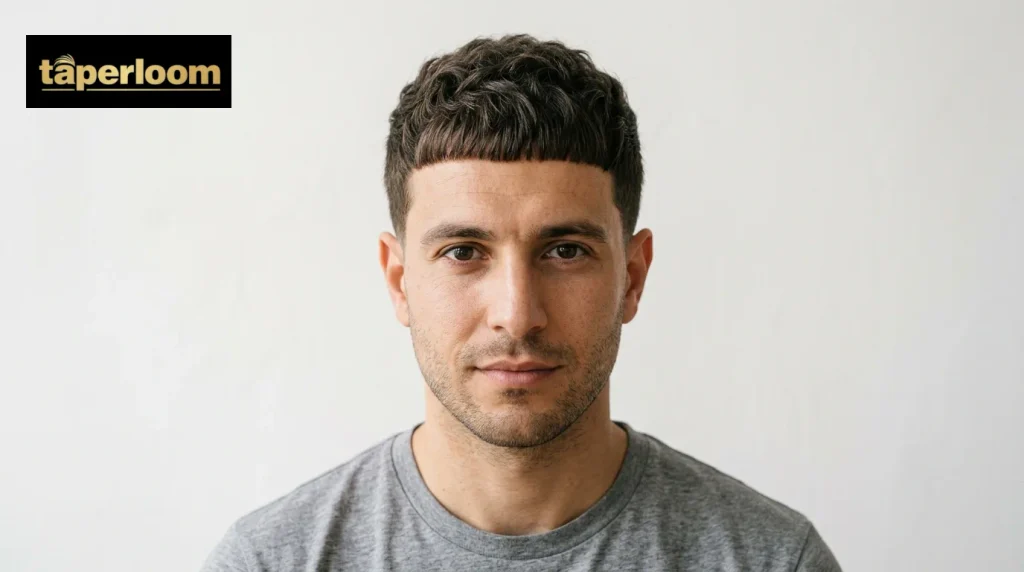
What it is: A short, textured top with a straight fringe across the front and short sides.
- Best for: Straight to wavy hair. It also works well for men who want to soften a high or receding hairline, since the fringe sits forward.
- Maintenance: Medium. The fringe needs trimming regularly or it starts to fall into your eyes.
- Styling time: 2 to 3 minutes.
- What to tell your barber: “French crop with a short, textured top, a straight fringe, and a taper on the sides.”
- Product: Texture paste or clay, worked through dry hair with your fingertips.
Caesar Cut

What it is: Short, even hair all over with a small fringe brushed forward.
- Best for: Fine or thinning hair, and men who want a simple, neat shape. The forward fringe can help reduce how noticeable a receding hairline looks.
- Maintenance: Low to medium. The fringe needs a trim when it gets too long.
- Styling time: Under 2 minutes.
- What to tell your barber: “Caesar cut with a short fringe, kept even all over, and a clean neckline.”
- Product: A light wax or paste, if any.
Textured Crop
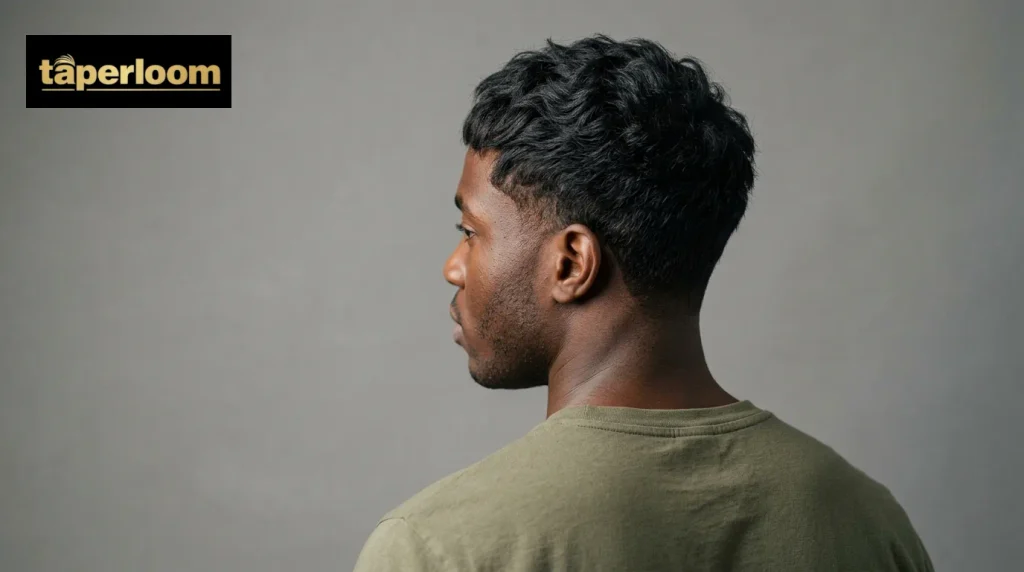
What it is: A short top with a choppy, layered look and short sides.
- Best for: Thick or wavy hair. The texture hides the weight of thick hair and gives it shape without needing much product.
- Maintenance: Medium. It looks best when the sides are kept short.
- Styling time: 2 to 3 minutes.
- What to tell your barber: “Textured crop, with the top cut using scissors or point cutting for a choppy finish, and a taper or low fade on the sides.”
- Product: Matte clay or texture paste. A sea salt spray can add movement to wavy hair.
Ivy League
What it is: A slightly longer version of the crew cut, with enough length on top for a side part.
- Best for: Straight and slightly wavy hair. It suits office settings and anyone who wants a neat, traditional look.
- Maintenance: Medium. The top needs regular trims to keep the part looking neat.
- Styling time: 2 to 4 minutes, including combing.
- What to tell your barber: “Ivy League cut, with a tapered back and sides, and enough length on top to part to the side.”
- Product: A light pomade or styling cream for a neat finish.
High and Tight
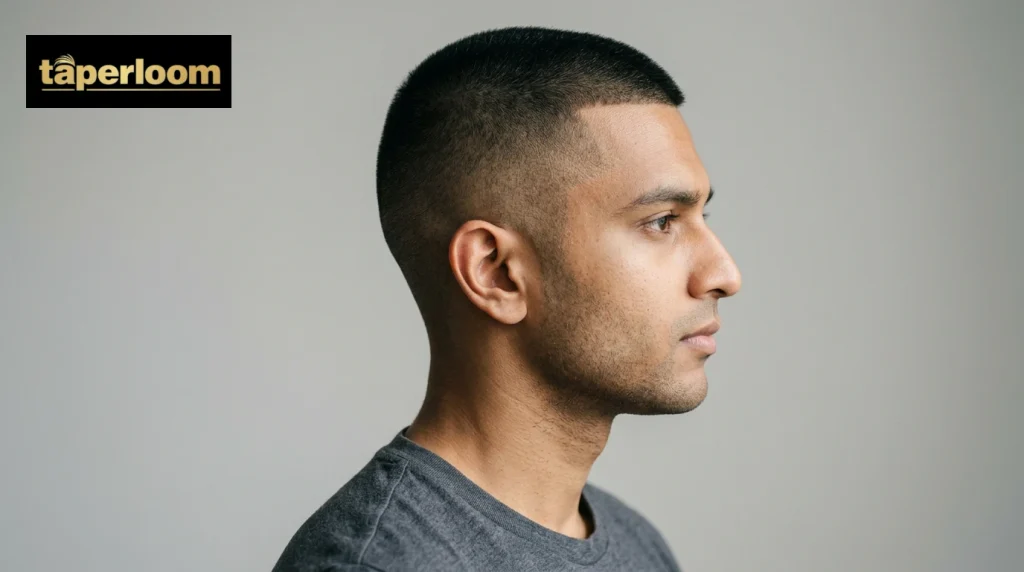
What it is: Very short sides, usually clipped high up the head, with a short top.
- Best for: Men who want a clean, sharp look with almost no styling. It’s common in military style cuts and works well in hot weather.
- Maintenance: Medium to high. The short sides grow out noticeably, so it needs frequent trims to stay crisp.
- Styling time: Under 1 minute.
- What to tell your barber: “High and tight, with the sides clipped short and high, and the top left at about [length].”
- Product: Usually none. A small amount of paste can add texture if the top is slightly longer.
How to choose between these short cuts
- Want zero effort? Go with a buzz cut or a high and tight.
- Want something that still looks neat after a long day? A crew cut or an Ivy League cut is a safe pick.
- Have thick hair? A textured crop gives it shape without making it look heavy.
- Worried about a receding hairline? A French crop or a Caesar cut can work well, because the fringe sits forward.
Fade and Taper Haircuts Explained
Fades and tapers are the most common ways to finish the sides and back of a haircut. They are not haircuts on their own. They describe how the hair on the sides blends from short to longer, and you can pair them with almost any top style, from a crew cut to a quiff.
People mix the two up all the time, so let’s start there.
Fade vs Taper
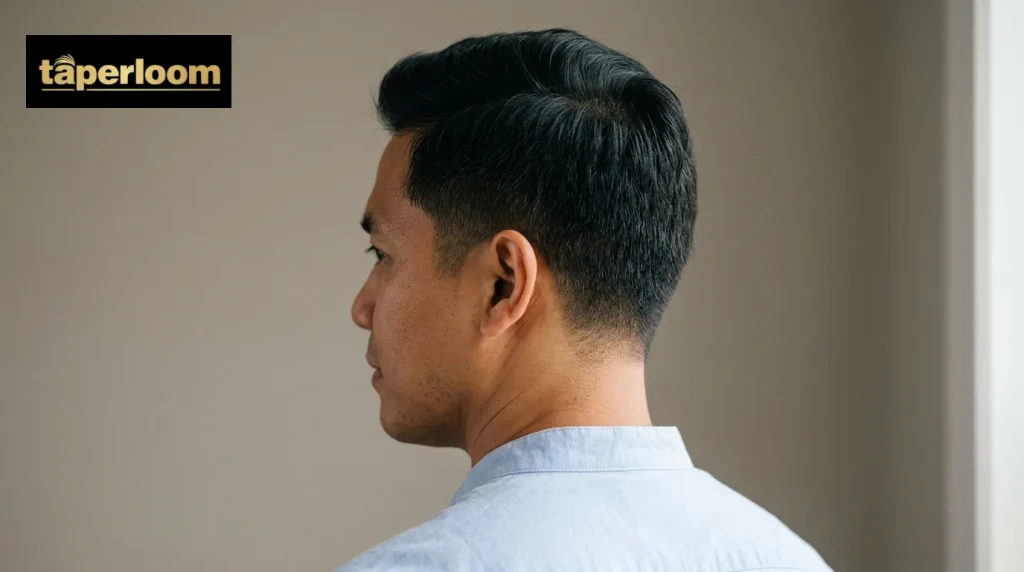
A fade is a cut where the hair on the sides and back gets shorter and shorter until it blends down to very short stubble or bare skin.
A taper is a cut where the hair gets gradually shorter toward the neckline and ears, but always leaves visible hair.
| Fade | Taper | |
| How short does it go? | Down to very short stubble or bare skin | Shorter, but hair stays visible |
| How noticeable is it? | Strong, sharp contrast | Subtle and softer |
| Typical feel | Modern, clean, bold | Classic, conservative |
| Best for | Men who want a sharp look | Offices, formal settings, and a more natural grow out |
| Upkeep | Needs frequent trims to stay crisp | Grows out more gently |
If you’re unsure which one to pick, a taper is the safer choice. It looks tidy, it grows out without a harsh line, and you can always ask for a stronger fade at your next visit.
Low / Mid / High / Skin / Drop / Burst Fade
Fades are named by two things: where the fade starts on your head (low, mid or high) and how it’s finished (skin, drop or burst). You can combine them, for example a “low skin fade” or a “high drop fade”.
Low fade
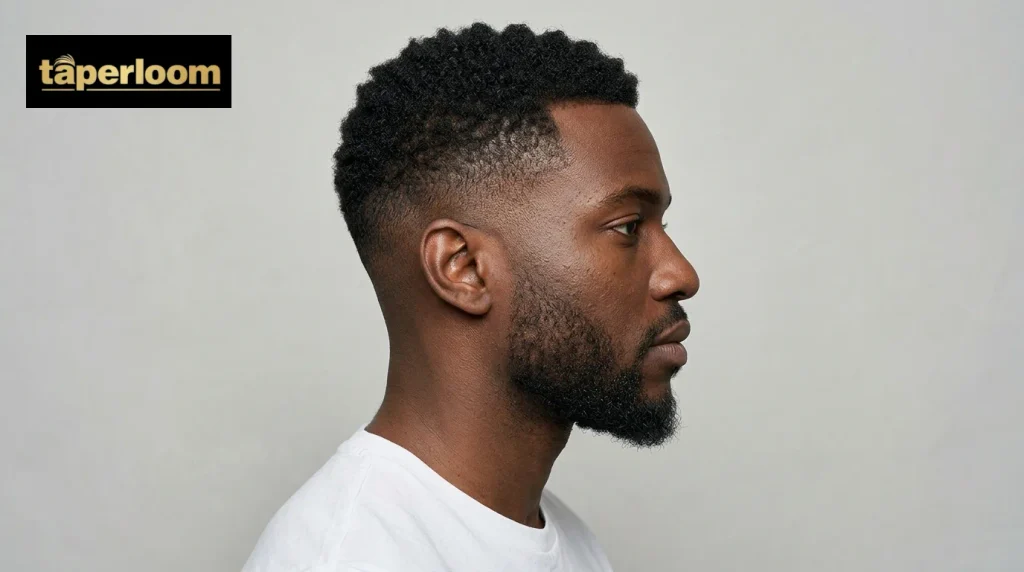
The fade starts low, close to the ears and the neckline, and blends upward into longer hair. It’s subtle and works well for offices, college and everyday wear. If you’re trying a fade for the first time, this is a sensible place to start.
Mid fade
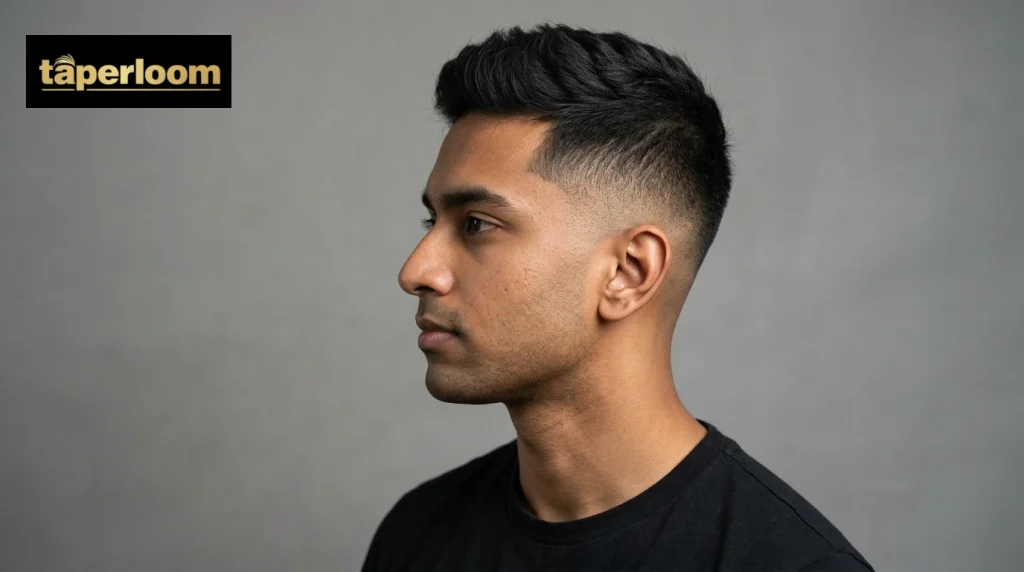
The fade starts about halfway up the sides of your head. It shows more contrast than a low fade without looking extreme. It pairs well with textured crops, quiffs and side parts.
High fade
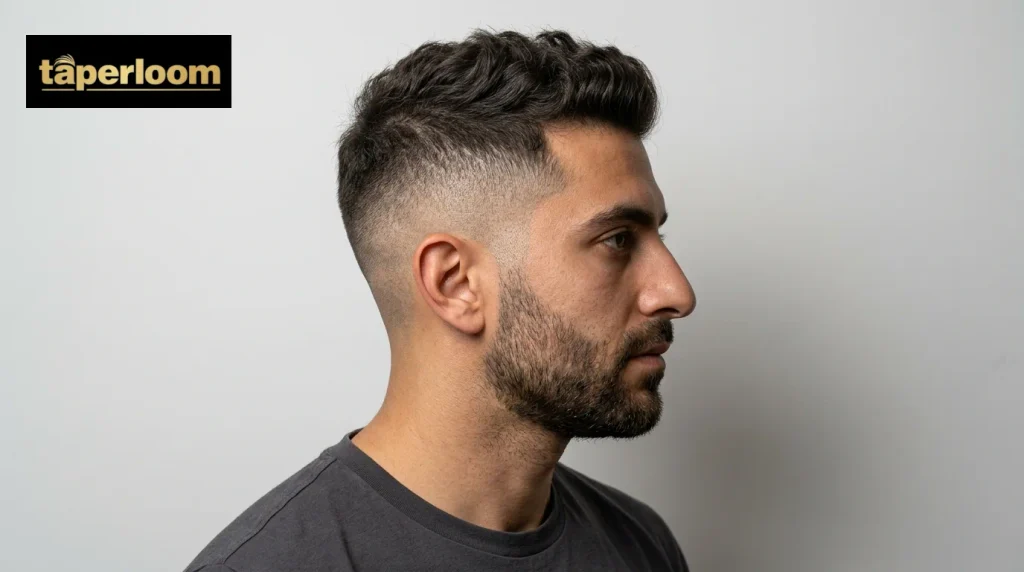
The fade starts high on the sides, close to the top of the head. This creates a strong separation between the sides and the top, which makes the top hair stand out. It looks bold and sharp, but it also grows out more noticeably, so it needs regular trims.
Skin fade (also called a bald fade)
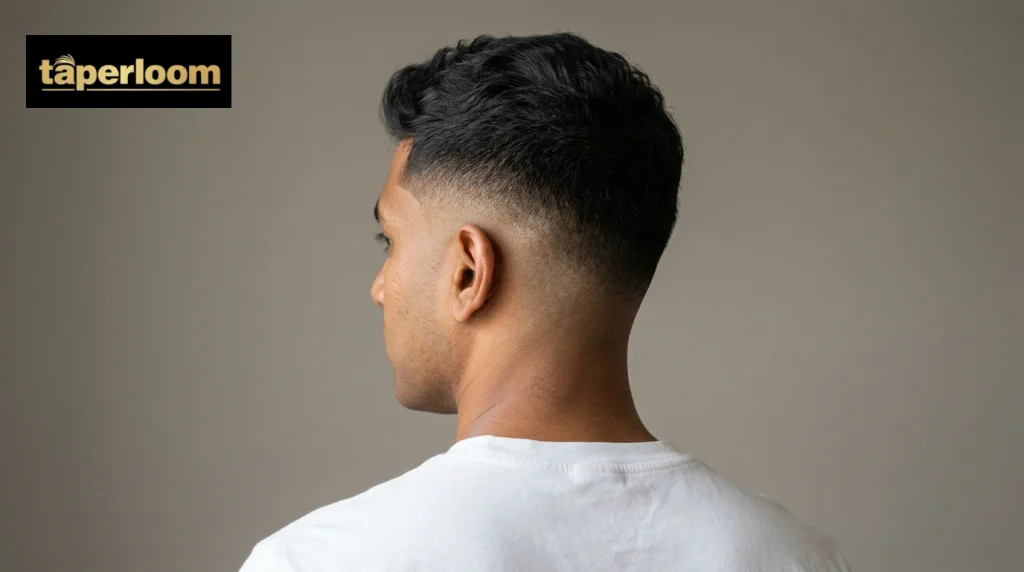
The hair blends down to bare skin at the bottom. It gives the cleanest and sharpest finish. It can be combined with a low, mid or high fade. Because the skin shows, any regrowth is visible quickly, so expect to return more often.
Drop fade
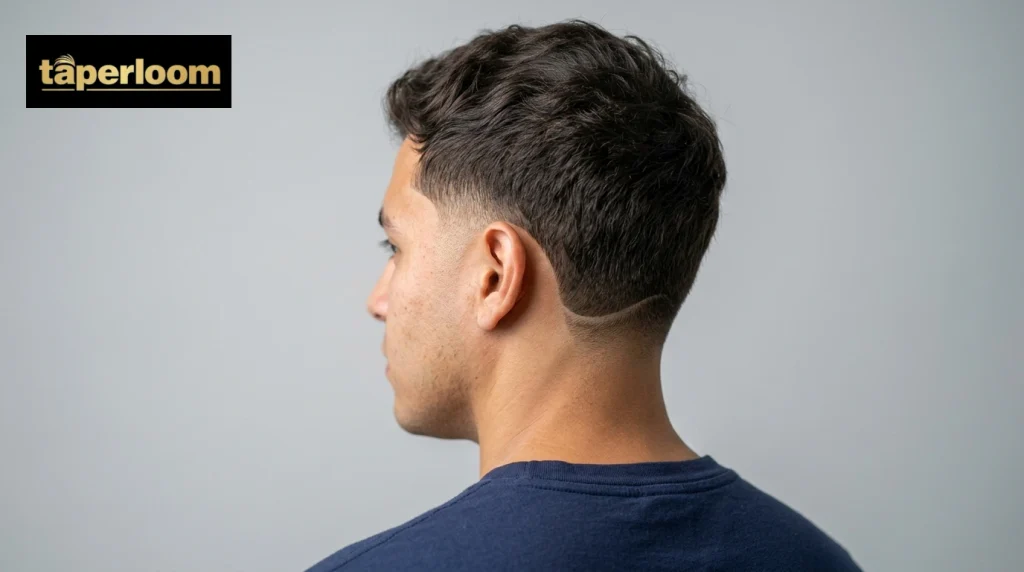
The fade line curves down behind the ear instead of running straight across. This follows the shape of the head and gives a more detailed look. It suits men who want something less plain than a standard fade.
Burst fade
The fade curves around the ear in a semicircle, often leaving more length at the back of the head. It’s a more stylised option and works especially well with textured or longer tops.
| Fade type | Look | Contrast level |
| Low fade | Subtle, clean | Low |
| Mid fade | Balanced, modern | Medium |
| High fade | Bold, sharp | High |
| Skin fade | Very clean at the base | Depends on the fade height |
| Drop fade | Curved, detailed | Medium to high |
| Burst fade | Rounded around the ear | Medium to high |
Which Fade Height Should You Choose?
Use these points to narrow it down:
- Consider where you’ll wear it. For offices and formal settings, a low fade or a taper is the safest option. For casual and creative settings, a mid or high fade is easier to pull off.
- Think about your top hair. If you have a lot of volume or texture on top, a mid or high fade shows it off. If your top is short, a low fade often looks more balanced.
- Be honest about upkeep. Higher fades and skin fades look best for the first one to two weeks and need frequent trims. If you only visit the barber once a month, a low fade or a taper will look better between visits.
- Look at your head shape. A high fade can make an uneven head shape more noticeable. Ask your barber what they think suits you.
- Plan for thick hair. Thick, coarse hair grows out quickly and shows regrowth more clearly. A taper is usually more forgiving, while a skin fade will need more frequent touch ups.
A good way to decide is to start with a low taper or a low fade. If you like it, you can ask for a slightly higher or sharper fade next time.
Medium Length Hairstyles for Men
Medium length styles leave enough hair on top to comb, brush or push in different directions. That gives you more options than a short cut, but it also means a bit more daily effort.
Most of these cuts pair well with a taper or a fade on the sides, which keeps the shape tidy while the top does the talking.
As a rough guide, “medium length” here means a top that is long enough to style with your hands or a comb, usually a few inches. Exact lengths vary by hair type, since curly and wavy hair looks shorter than it really is.
Quiff
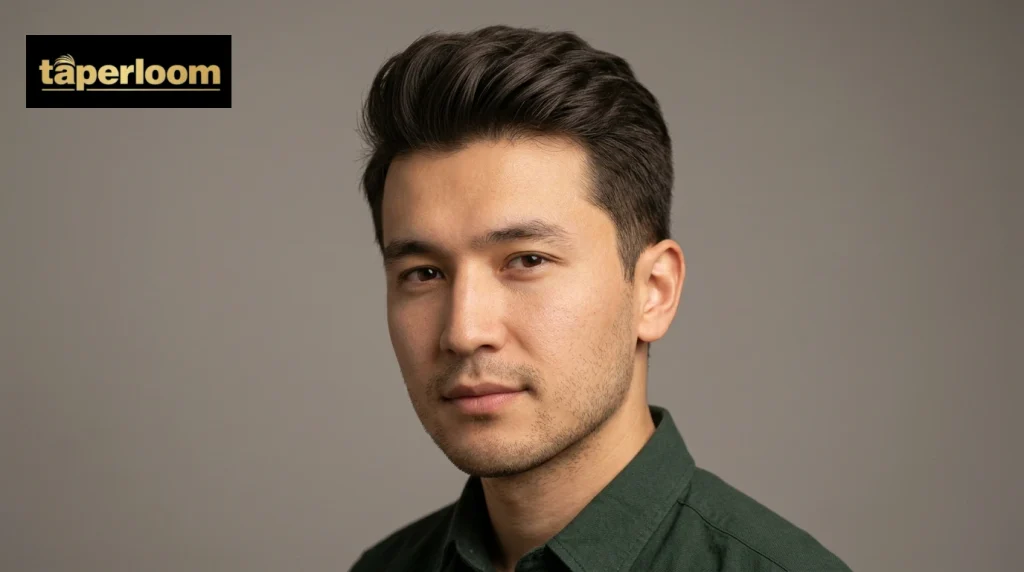
What it is: The front of the hair is brushed up and slightly back to create volume, with shorter sides.
- Best for: Straight and wavy hair with medium to good thickness. It also works on thick hair, as long as the top is thinned out a little.
- Maintenance: Medium. It needs a trim every 3 to 5 weeks to keep the shape, especially at the front.
- Styling time: 3 to 5 minutes, usually with a blow dryer.
- What to tell your barber: “Quiff, with the front left longer, shorter sides with a taper, and enough length on top to brush up.”
- Product: Matte clay or a light pomade for hold. Use a small amount, since too much makes the top look heavy.
Pompadour
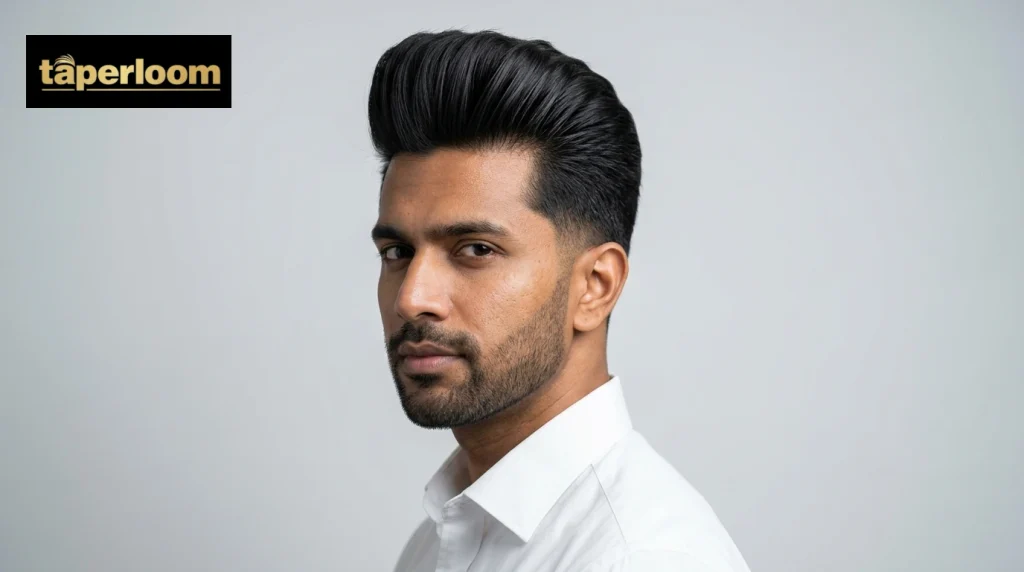
What it is: A taller, fuller version of the quiff, with more height and volume at the front and shorter sides.
- Best for: Thick, straight or slightly wavy hair that holds volume. Fine hair can struggle to stay up without a lot of product.
- Maintenance: Medium to high. The shape depends on regular trims and daily styling.
- Styling time: 5 to 8 minutes, with a blow dryer and a comb or brush.
- What to tell your barber: “Pompadour, with a longer top that I can brush up and back, and sides cut short with a taper or fade.”
- Product: A firmer pomade or clay for hold, and a light hairspray if you need it to last through the day. In very humid weather, volume can fall faster, so keep this in mind.
Side Part

What it is: Hair parted to one side and combed neatly across the top, with tidy sides.
- Best for: Straight and wavy hair. It suits offices, interviews and formal events, and it works across most face shapes when the part is placed well.
- Maintenance: Medium. A neat part depends on a regular trim, especially around the ears and neckline.
- Styling time: 2 to 4 minutes.
- What to tell your barber: “Side part, with a taper on the sides, and the part where my hair naturally falls.” Asking for your natural part is a good idea, because a part that goes against the way your hair grows often won’t stay in place.
- Product: A light pomade or styling cream for a neat finish. Avoid a very glossy product if you want a natural look.
Slick Back
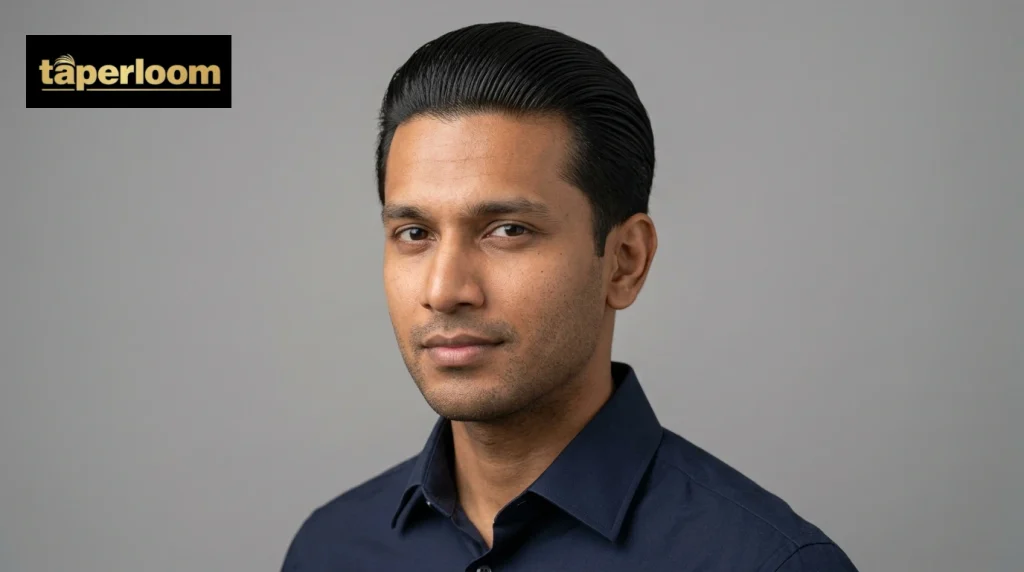
What it is: The hair is combed straight back from the forehead, usually with a little product, and kept smooth.
- Best for: Thick, straight hair, which tends to stay in place and look neat. It can also work with wavy hair if you use enough product and a comb.
- Maintenance: Medium. The top needs to be long enough to comb back, and the sides usually need regular tidying.
- Styling time: 3 to 5 minutes.
- What to tell your barber: “Enough length on top to comb straight back, with the sides tapered or faded.”
- Product: Pomade, gel or cream. Choose a lighter product for a natural look and a stronger one for a polished, shiny finish. Wash it out properly at night, since heavy product can build up on the scalp.
Comb Over
What it is: Hair combed to one side in a neat sweep, often with a short taper or fade on the sides.
- Best for: Straight and slightly wavy hair, and for men who want a clean, professional look. The style also works well with thinning hair, since the hair is spread across the top.
- Maintenance: Medium. A neat shape depends on a clean line around the sides, so trims matter.
- Styling time: 2 to 4 minutes.
- What to tell your barber: “Comb over, with a defined part if I want one, and a short fade or taper on the sides.”
- Product: A light pomade or wax for hold. A small amount goes a long way.
A comb over and a side part look similar, and many barbers use the names loosely. The usual difference is that a comb over is combed across with a more defined sweep and often shorter sides, while a side part is a more classic, natural looking part.
Textured Fringe / Curtain Style

What it is: The hair at the front is left longer and falls forward or parts in the middle, with a softer, relaxed shape.
- Best for: Straight and wavy hair, and for men who want a modern style that doesn’t need to look perfect. A fringe can also help soften a high forehead.
- Maintenance: Medium. Once the fringe gets too long, it can fall into your eyes and lose its shape, so it needs trimming every 4 to 6 weeks.
- Styling time: 2 to 3 minutes. It often looks best slightly messy.
- What to tell your barber: “A longer, textured fringe that falls forward or to the sides, with the sides kept shorter and tidy.”
- Product: Texture paste, sea salt spray or a light cream. Avoid heavy gels, since this style looks best when it moves naturally.
How to choose between these medium length cuts
- Want volume? A quiff or a pompadour gives you height.
- Want something neat for work? A side part or a comb over is a safe choice.
- Want a polished, smooth look? A slick back works best on thick, straight hair.
- Want something relaxed? A textured fringe or curtain style needs less styling effort.
- Have thin or thinning hair? A comb over or a textured fringe can work better than a tall style that depends on volume.
Best Hairstyles by Hair Type
A haircut that looks great on someone else can fall flat on you, and the reason is usually hair type rather than the barber. Thickness, texture and how your hair grows decide how a cut sits, how much styling it needs and how it behaves by the afternoon.
Hair also varies a lot from person to person. Many men in India and nearby countries have thick, dark, coarse hair, but plenty of men have fine, wavy or curly hair too. Use the descriptions below as a guide and check them against your own hair.
Heat and humidity matter as well. In warm, damp weather, hair can swell, lose its shape and feel heavy. Sweat on the scalp can also flatten tall styles quickly. Each section below notes what tends to work and what tends to struggle.
Thick and Coarse Hair
Thick hair has a lot of strands, and coarse hair has wider, stiffer strands. Together they can make a cut stand out from the head, grow out in a bulky shape and feel hot in summer.
- Works well: Textured crop, crew cut, Ivy League, slick back, short quiff, and a taper or fade on the sides. The short sides cut down the bulk, and a textured top gives the hair a controlled shape.
- Works less well: Long flat styles with sides left full, since thick hair can puff out and look wider than expected. Very precise, razor straight fringes also take effort to keep neat.
- Tips:
- Ask your barber to thin out or texturise the top so it sits closer to the head.
- Use a matte clay or strong paste rather than a light cream, which may not hold coarse hair.
- Expect to trim a little more often, because thick hair shows regrowth quickly around the ears and neckline.
Straight Hair
Straight hair tends to lie flat and hold clean lines, which makes it the easiest type for sharp, structured cuts. The downside is that it can look limp if it’s cut too long or if it’s fine.
- Works well: Side part, comb over, slick back, Ivy League, crew cut and French crop. Neat lines show up clearly on straight hair.
- Works less well: Styles that depend on natural volume or messy texture, unless you add product. A tall quiff or pompadour may need a blow dryer to stay up.
- Tips:
- Ask for some texture on the top if your hair feels flat.
- Use a light cream or pomade for a neat finish, or a texture paste for a looser look.
- A blow dryer and a comb will do more for straight hair than extra product.
Wavy Hair
Wavy hair has natural movement, which gives a cut shape with very little effort. It can also swing between looking neat and looking frizzy, depending on length and weather.
- Works well: Textured crop, textured fringe, curtain style, quiff, and medium length cuts with a taper on the sides. The waves add body without much work.
- Works less well: Very short buzz style cuts hide the waves completely, and a very tight comb over can look forced if the wave pattern fights the part.
- Tips:
- Keep enough length on top for the waves to show, since short hair can look straight.
- Use a light cream or sea salt spray, and let the hair dry naturally or scrunch it gently.
- In humid weather, avoid heavy products that can weigh the waves down and leave them greasy.
Curly Hair
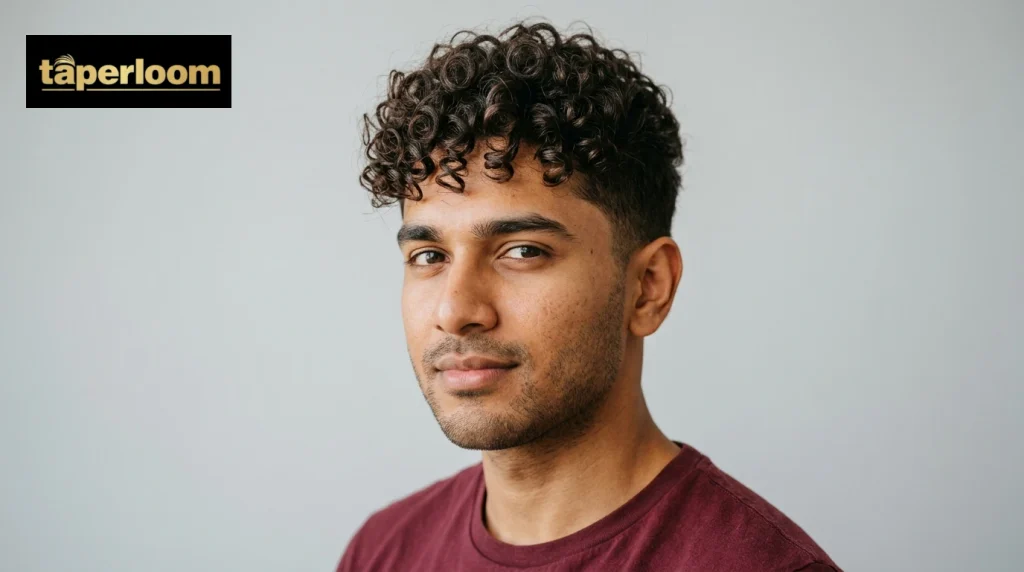
Curly hair has natural spring and volume. It can look great with the right cut, but it also dries out easily and can frizz in humidity if it’s not looked after.
- Works well: Curly top with a taper or fade on the sides, a curly crop, a short curly fringe, or a medium length cut that lets the curls sit naturally.
- Works less well: Cuts that need hair to lie flat, such as a sharp side part or a slick back, unless you’re happy to spend time and product on them. Very short cuts also remove the curl pattern entirely.
- Tips:
- Ask a barber who is comfortable cutting curls. Curly hair is often cut dry, since the curl shortens when it dries.
- Use a curl cream or a leave in conditioner and avoid brushing dry curls, which can cause frizz.
- Keep the sides shorter if the curls feel too wide, so the top does the work.
Thin or Fine Hair
Fine hair has thin individual strands, and thin hair means fewer strands overall. Either way, the hair can look flat and wispy, particularly when it’s long or hasn’t been styled.
- Works well: Short textured crop, Caesar cut, French crop and a short crew cut. Shorter hair looks denser, and a little texture makes the hair look fuller.
- Works less well: Long, heavy styles and tall styles that need a lot of volume to look right. Heavy gels can also make fine hair look thinner by clumping it together.
- Tips:
- Keep the sides short and the top a little longer, so the contrast makes the top look fuller.
- Use a light powder or a texture paste in a small amount, rather than a heavy pomade.
- Avoid washing with very harsh shampoos too often, since dry, brittle hair breaks and looks thinner.
Thinning or Receding Hairline
Hair can thin or recede for several reasons, including genetics, age and health. A haircut can make this less noticeable, but it can’t treat the cause. If you’re losing hair quickly or suddenly, or it comes with itching, pain or patches, it’s worth seeing a doctor or a dermatologist.
- Works well: Caesar cut, short textured crop, French crop, a close crew cut, or a short buzz cut. A very short length reduces the contrast between thick and thin areas, and a short forward fringe can soften a receding front.
- Works less well: Long hair combed over thin areas, which can draw more attention to them. Tall styles that need a lot of volume can also look sparse.
- Tips:
- Go shorter rather than longer. Many men find that a shorter cut looks fuller and neater.
- Keep the sides tidy, since a clean shape helps the whole cut look intentional.
- A matte product with light hold works better than a shiny one, which can show the scalp.
Quick Comparison
| Hair type | Cuts that tend to work | Cuts that tend to struggle |
| Thick and coarse | Textured crop, crew cut, taper with short sides | Full, long sides that puff out |
| Straight | Side part, comb over, slick back | Styles that need natural volume |
| Wavy | Textured fringe, curtain style, quiff | Very short buzz cuts, tight comb overs |
| Curly | Curly crop, curly top with short sides | Slick back, sharp side part |
| Thin or fine | Short textured crop, Caesar cut | Long heavy styles, heavy gels |
| Thinning or receding | Caesar cut, short crop, close crew cut | Long hair combed over thin areas |
Best Hairstyles by Face Shape
Face shape guidance is a styling convention, not a rule. The idea is simple: a haircut can add height, width or softness so your face looks more balanced.
If you like a cut that isn’t listed for your shape, you can still wear it. Hair type and daily routine matter just as much, so treat this as one of three filters, along with the hair type and maintenance advice in this guide.
Face Shape Chart
| Face shape | How it looks | Cuts that tend to work | Cuts to be careful with |
| Oval | Face is longer than wide, with a gently rounded jaw | Most styles, including textured crop, side part, quiff, crew cut and slick back | Very few. A heavy fringe covering the forehead can hide your balanced proportions |
| Round | Width and length are close, with soft cheeks and a rounded jaw | Quiff, pompadour, textured crop with height, and a fade or taper on the sides | Full, wide sides and a flat top, which can make the face look rounder |
| Square | Strong jaw and a forehead about as wide as the jaw | Textured crop, side part, crew cut, and softer, slightly longer tops | Very sharp, boxy cuts that add more angles, such as a flat top |
| Rectangle or oblong | Face is clearly longer than it is wide | Textured fringe, curtain style, side part and cuts with some width on the sides | Tall quiffs or pompadours, since extra height lengthens the face |
| Diamond | Cheekbones are the widest part, with a narrower forehead and chin | Textured fringe, side part, quiff, and styles that add some width at the forehead | Very short sides with a tall top, which can stress the cheekbones |
| Heart | Wide forehead, narrower chin | Side part, textured fringe, medium length styles with some volume at the sides | A very tall top with tight sides, which makes the forehead look larger |
How to Find Your Face Shape
You don’t need any tools. A mirror or a front facing photo is enough.
- Pull your hair back and look straight ahead. Stand in even light, or take a photo with your hair away from your face. Keep your chin level so the angle doesn’t change how your face looks.
- Compare the width of three areas. Look at your forehead, your cheekbones and your jawline. Note which one is widest, and whether your jaw looks soft and rounded or strong and angular.
- Compare length with width. If your face is clearly longer than it is wide, you’re likely oval or rectangle. If the two are close, think round or square. Then match what you see to the chart above.
Many people sit between two shapes, and that’s normal. If you’re unsure, a barber can tell you quickly, since they see this every day.
How to Use Face Shape Along With Everything Else
- Start with hair type. A cut that your hair can’t hold will look wrong no matter what your face shape is.
- Use face shape to fine tune. It’s most useful for deciding between two cuts you already like, such as a taller quiff or a flatter textured crop.
- Think about your hairline and forehead. A fringe can reduce a high forehead, while a swept back style shows more of it.
- Check the result from the side. Ask your barber to hold up a mirror at the end, so you can see how the sides and back sit.
Hairstyles for Every Occasion
The same haircut can look right at a wedding and out of place in a meeting. Occasion changes what you need from your hair: how neat it should look, how long it has to last, and how it sits with what you’re wearing.
Use the sections below to pick a cut for the setting, then check it against your hair type and face shape from earlier in this guide.
Office
Offices usually reward a neat, controlled shape that looks the same at 9 am and at 6 pm. That favors cuts with tidy sides and a top that doesn’t need constant fixing.
- Good choices: Side part with a low taper, crew cut, Ivy League, comb over, and a low fade with a short textured top.
- Why they work: The sides stay clean, the top is easy to keep in place, and the shape looks deliberate rather than messy.
- Keep in mind: Very high contrast fades, bold spikes or heavily styled tops may feel out of place in a conservative workplace. If you’re unsure about the dress code, a taper is the safer pick.
- Practical tip: Pick a cut you can style in under five minutes. A style that needs a blow dryer every morning is hard to keep up on busy days.
College
College gives you more room to experiment, since most campuses have no formal hair expectations. The best cuts here are the ones that survive long days, late nights and very little morning time.
- Good choices: Textured crop, French crop, textured fringe, a mid fade with a messy top, or a short quiff.
- Why they work: These styles look good slightly undone, so you don’t need to fix them during the day.
- Keep in mind: Higher fades and sharp lines look best for the first week or two and need frequent trims. If your budget or schedule makes regular visits hard, choose a taper or a low fade, which grows out more gently.
- Practical tip: If you want to try something new, ask for it at a length you can still change. You can always cut shorter next time, but you can’t add length back.
Wedding and Festive
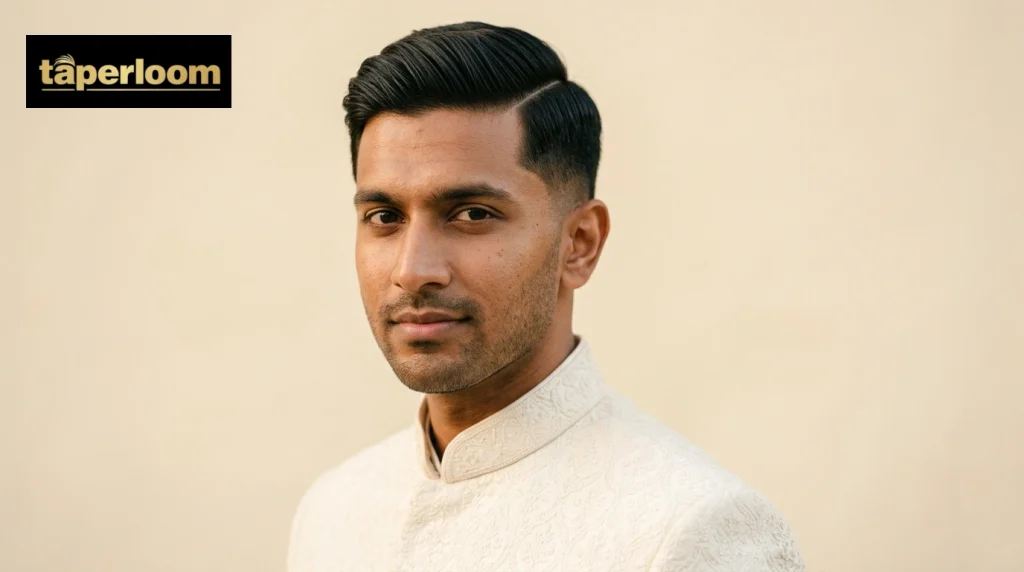
Weddings and festivals usually mean photos, long hours and traditional or formal outfits. Your hair needs to look good in pictures and hold up through the day.
- Good choices: Side part, slick back, comb over, a clean taper, or a crew cut. For a softer look, a textured quiff or a neat textured fringe also works.
- Match the look to the outfit: A structured outfit such as a sherwani, or waistcoat tends to look best with a clean, tidy cut. A more relaxed kurta can suit a slightly textured, less polished top.
- Keep in mind: A fresh haircut can look too sharp or too raw on the day itself, especially after a skin fade or a very close cut. Many barbers suggest getting it done a few days before, which gives the lines time to settle. This is a general styling tip, so check with your own barber.
- Practical tip: If the event is outdoors or in warm weather, choose a firm hold product and avoid anything greasy, since sweat can make styles slip.
Eid
Eid is a time to look fresh and well groomed, often in a kurta or traditional clothes, and usually after a busy few days of preparation. A neat, comfortable cut is the best choice here.
- Good choices: Taper, side part, crew cut, textured crop, or a clean low fade. These look tidy with traditional outfits and don’t need much effort on a day full of family visits.
- Plan the timing: Barbers get very busy just before major festivals. Booking early helps you avoid long waits or a rushed cut. Aim for a few days before, so your hair has settled by the day.
- Keep it simple: A cut you’re comfortable in will look better than a bold new style you haven’t tried before. If you want to experiment, do it a few weeks earlier so you know how it behaves.
- Practical tip: Keep your neckline and the area around your ears tidy. A quick clean up before the day makes a noticeable difference.
Hot and Humid Weather
Heat and humidity change how hair behaves. Hair can swell, lose its shape and feel heavy, and sweat can flatten any style that relies on volume.
- Good choices: Short crew cut, short taper, low fade with a short top, buzz cut, or a short textured crop.
- Why they work: Shorter hair means less heat on the scalp and less hair for humidity to affect. Short sides also help air reach your head and keep you cooler.
- Cuts to be careful with: Tall quiffs and pompadours can lose their shape in humid conditions, and long, thick hair can feel very warm. Heavy gels and thick pomades can also make the scalp feel greasy and sweaty.
- Practical tips:
- Use a light product such as a matte paste or a small amount of clay.
- Rinse sweat out of your hair regularly, since sweat and dust can build up on the scalp.
- If you have thick hair, ask your barber to thin the top so it sits closer to your head.
Occasion Quick Guide
| Occasion | Good style to ask for | Key thing to remember |
| Office | Side part with a low taper, or a crew cut | Keep it neat and easy to restyle |
| College | Textured crop or French crop | Pick a style that looks fine slightly messy |
| Wedding and festive | Side part, slick back or a clean taper | Match the cut to your outfit and get it done a few days early |
| Eid | Taper, crew cut or a clean low fade | Book early and choose a cut you’re comfortable in |
| Hot and humid weather | Short crew cut, short taper or buzz cut | Go shorter and use light products |
How to Ask Your Barber for the Haircut You Want
Most bad haircuts come from a gap in communication, not a lack of skill. “Just a trim” or “make it look good” can mean very different things to you and your barber. The more specific you are, the less you leave to chance.
You don’t need barber vocabulary to do this well. You need a clear picture, a few measurements and the confidence to speak up while the cut is still in progress.
Step by Step: What to Say
- Decide on one or two cuts before you sit down. Use the names from the earlier sections. Going in with a rough idea is much better than deciding in the chair.
- Show a reference photo. A picture removes most of the guesswork (more on this below).
- Name the cut, then describe the parts. Say the name of the style, and then explain the sides, the top and the neckline separately. Barbers think in these three zones.
- Give lengths where you can. “A little off the top” is vague. “About an inch off the top” is clear. For the sides, use a guard number or point to the length on your photo.
- Mention your hair type and routine. Tell the barber if your hair is thick, curly or fine, how much time you spend styling it, and whether you use product. This helps them choose a cut that suits you and not just the photo.
- Ask them to start longer. It’s easy to cut more hair off but impossible to put it back. If you’re trying a new style, say: “Please start a little longer, and we can go shorter if I like it.”
- Check the cut before they finish. Ask to see the sides and the back in a mirror once the main shape is done. This is the best moment to ask for small changes.
- Agree on the neckline. Tell them whether you want it rounded, squared or tapered. It affects how the cut grows out.
Clipper Guard Numbers
Clipper guards are plastic attachments that set the length of the hair left on your head. Barbers often use them to describe the sides and back. Higher numbers leave more hair.
| Guard number | Approximate length | Typical use |
| 1 | 3 mm (1/8 inch) | Very short sides, close buzz |
| 2 | 6 mm (1/4 inch) | Short sides, a common fade or taper base |
| 3 | 10 mm (3/8 inch) | Short but visible hair, popular for crew cuts |
| 4 | 13 mm (1/2 inch) | A softer buzz cut or a longer taper |
| 5 | 16 mm (5/8 inch) | Short all over with some length left |
| 6 | 19 mm (3/4 inch) | A longer crop or a gentle taper |
| 8 | 25 mm (1 inch) | The longest common guard, for very short tops |
These are common conventions, and sizes can differ between brands and between shops. Some barbers use their own sets, and some work mostly by eye.
The safest approach is to say the number and add a description, for example: “a number 2 on the sides, blended up into the top.” If you’re not sure, ask the barber to show you the guard against your hair first.
A Ready Script You Can Use
You can copy this and fill in the blanks:
“I’d like a [name of the cut], like in this photo. On the sides and back, I’d like a [taper or fade type], starting around [guard number or length]. On top, please leave about [length] and add some [texture / a clean shape / a side part]. I’d like the neckline [rounded / squared / tapered]. My hair is [thick / curly / fine] and I only want to spend about [number] minutes styling it. Please start a little longer, and we can go shorter if needed.”
Here is an example with the blanks filled in:
“I’d like a textured crop, like in this photo. On the sides and back, I’d like a low taper, starting around a number 2. On top, please leave about an inch and a half, with some texture. I’d like the neckline tapered. My hair is thick and I only want to spend about three minutes styling it. Please start a little longer, and we can go shorter if needed.”
If speaking in full sentences feels awkward, a shorter version also works: “Textured crop, low taper, number 2 on the sides, an inch and a half on top, tapered neckline.”
Reference Photo Tips
- Bring more than one angle. A front photo alone doesn’t show the sides or the back. Ask for pictures from the front, side and back if you can find them.
- Choose a photo with hair like yours. A style that looks great on straight, thin hair may behave very differently on thick or curly hair. Look for someone with a similar hair type and a similar hairline.
- Show the length, not just the look. Point to the part of the photo you care about most, such as the top length or the height of the fade.
- Tell the barber what you don’t like. If a photo has a detail you don’t want, such as a very high fade, say so.
- Treat the photo as a guide. Your head shape, hairline and hair growth are different from the person in the picture, so the result won’t be identical. A good barber will tell you if something needs adjusting.
- Save the photo on your phone. This saves time and means you don’t have to describe things from memory.
Styling and Maintenance
A good cut only looks good if it’s kept up. The good news is that maintenance isn’t complicated. It comes down to three habits: trimming on time, using the right product in the right amount, and keeping your scalp healthy.
Trim Schedule
How often you need a trim depends on the cut, how fast your hair grows and how sharp you like the shape. Sharp, short sides show regrowth quickly. Longer, softer cuts forgive it.
| Haircut type | Typical time between trims | Why |
| Skin fade or high fade | 2 to 3 weeks | The short sides lose their clean blend quickly |
| Low or mid fade | 3 to 4 weeks | Less contrast, so regrowth is less obvious |
| Taper | 4 to 5 weeks | The gradual shape grows out gently |
| Textured crop | 4 to 5 weeks | The top loses its shape as the sides grow |
| Crew cut | 4 to 6 weeks | Short and even, so it stays tidy for longer |
| Buzz cut | 4 to 6 weeks, or longer | Grows out evenly, so there’s no hard line |
| Quiff or pompadour | 3 to 5 weeks | The front needs to stay at the right length to hold height |
| Side part or Ivy League | 3 to 5 weeks | The part and sides need to stay neat |
| Textured fringe or curtain style | 4 to 6 weeks | The fringe is the first part to feel too long |
These are general ranges based on common barber guidance. Fast growing or thick hair will need visits sooner.
Two ways to stretch the time between visits:
- Ask for a softer finish. A taper instead of a skin fade, or a slightly longer length on the sides, makes regrowth less noticeable.
- Book a quick tidy up. Many barbers offer a short visit for just the neckline and the area around the ears. This is cheaper and quicker than a full cut, but ask your barber if they offer it.
Products by Hair Type
Product choice matters more than the amount of product. The wrong type can make hair look greasy, stiff or flat. Match the product to your hair, then use less of it than you think you need.
| Hair type | Product that tends to work | What to look for | What to avoid |
| Thick and coarse | Matte clay or strong paste | Firm hold with a dry, natural finish | Light creams that can’t control the hair |
| Straight | Light pomade or styling cream | A neat finish with flexible hold | Heavy wax that makes the hair look flat |
| Wavy | Sea salt spray or light cream | Texture and movement | Heavy gel, which weighs waves down |
| Curly | Curl cream or leave in conditioner | Moisture and definition | Alcohol heavy gels that dry curls out |
| Thin or fine | Texture powder or a small amount of light paste | Light hold that adds fullness | Heavy pomade, which can make hair look thinner |
| Short cuts | Texture paste or dry wax | Matte finish and light hold | Shiny, wet look products on very short hair |
Using product well:
- Start small. For short hair, use an amount about the size of a pea. For medium hair, use about two peas.
- Warm it first. Rub it between your palms until it’s thin and even, then apply.
- Work from the back to the front. This avoids a heavy front that looks greasy.
- Wash it out. Don’t sleep with heavy product in your hair, since it can build up on the scalp.
5-Minute Styling Routine
This routine works for most short and medium cuts. The timings are rough, so adjust them to your hair.
- Start with damp hair (about 30 seconds). Towel dry after a wash until your hair is damp but not dripping. Dry hair needs more product, and soaking wet hair won’t hold a shape.
- Blow dry if you need volume (1 to 2 minutes). Use medium heat and point the airflow in the direction you want the hair to sit. Skip this step if your style is meant to look natural. For quiffs and pompadours, dry the front upward and back.
- Warm the product (20 seconds). Take a small amount and rub it between your palms.
- Apply it (1 minute). Run your fingers through the hair from the back to the front. For a side part or slick back, use a comb instead.
- Shape the style (1 minute). Push the top into position with your fingers, or comb it. Check the sides in a mirror.
- Set it (30 seconds). If you need extra hold, use a light spray. Leave your hair alone after this. Touching it all day is the quickest way to ruin it.
Scalp and Hair Care Basics
Healthy hair and a clean scalp make every haircut look better. These basics cover most men’s needs.
- Wash based on your scalp, not a rule. There’s no single correct schedule. If your scalp gets oily or sweaty, or you use a lot of product, wash more often. If your hair feels dry or tight after washing, wash less often.
- Use a mild shampoo. Very harsh shampoos can leave hair dry and brittle, especially if you wash frequently.
- Condition if your hair is dry, thick or curly. Apply it to the lengths rather than the scalp.
- Rinse after heavy sweating. In hot weather, sweat and dust can collect on the scalp. A simple rinse can help between full washes.
- Use lukewarm water. Very hot water can dry out the scalp.
- Keep your neckline tidy between cuts. A small trimmer can clean up the back of the neck, but only do this if you’re comfortable with it. If you’re unsure, leave it to your barber.
- Watch for ongoing problems. If you have persistent flaking, itching, redness, pain or sudden hair loss, see a doctor or a dermatologist. A haircut or a shampoo can’t treat these.
Common Haircut Mistakes
Most haircut regrets come from a handful of avoidable errors. Here are the ones that come up most often, and how to fix each.
- Picking a cut from a photo without checking your hair type. A style that looks sharp on straight, thin hair can look bulky or flat on thick, curly or fine hair. Look for photos of men with hair like yours, and ask your barber if the cut will work.
- Using vague instructions. “Just a trim” or “make it neat” leaves too much to guess. Name the cut, give lengths for the sides and top, and say how you want the neckline finished.
- Going too short on the first try. You can always cut more, but you can’t add length back. If you’re trying a new style, ask your barber to start longer.
- Ignoring how your hair grows. A part, fringe or quiff that fights your natural growth direction won’t stay in place. Ask your barber to work with how your hair falls, especially around the crown and hairline.
- Choosing a cut that needs more upkeep than you’ll give it. A skin fade or a tall pompadour looks great when fresh, but it needs regular trims and daily styling. If you only visit the barber once a month, a taper or a crew cut will look better between visits.
- Using too much product. Too much clay, wax or gel makes hair look greasy, stiff or flat. Start with a small amount and add more only if you need it. Wash heavy product out at night.
- Not checking the cut before you leave the chair. Ask to see the sides and back in a mirror before the barber finishes. This is the easiest time to fix a small problem, such as an uneven fade or a neckline that’s too high.
- Following a trend that doesn’t suit you. A popular style isn’t automatically the right one. Use trends as ideas, then check them against your hair type, face shape and daily routine.
Hairstyle Trends in 2026
Trends are the least reliable part of any haircut guide, so here is how this section works. Instead of claiming what is “most popular” in 2026, which no one can measure precisely, it covers the styles that keep appearing in current 2026 men’s hairstyle guides. Treat them as ideas to consider, not as proof of what’s popular.
Styles That Keep Showing Up in 2026 Guides
- Textured crops: A short, choppy top with short sides. They remain a common recommendation because they suit many hair types and need little styling.
- Tapers and low fades: Softer finishes on the sides are often suggested over very sharp, high contrast fades. They look neat and grow out more gently.
- Curtain style and textured fringes: A longer front that falls forward or parts in the middle. These suit men who want a relaxed look without a lot of upkeep.
- Curly tops with shorter sides: Natural curls kept on top, with the sides cut short for a clean shape.
- Layered medium length cuts: More length on top, with layers that add movement and shape.
How to Use a Trend
A trend is worth trying only if it works for you. Before booking, run it through three quick checks:
- Does it suit your hair type? A curtain fringe needs hair that falls well, and a textured crop works best on hair that holds a choppy shape.
- Can you keep it up? Check the trim schedule and styling time earlier in this guide.
- Do you like it on someone with similar hair? Look for photos of men with your hair type, not just the best looking example.
A cut that suits your hair and routine will look better than a trendy one that doesn’t.
FAQs
What is the most popular men’s haircut?
No one can measure this exactly, but the crew cut, textured crop, taper and low fade are among the most commonly requested and recommended styles. They suit many hair types and need little styling.
What is a low maintenance men’s haircut?
A buzz cut, crew cut or short taper needs the least effort. They need little or no styling and grow out evenly between trims.
Which haircut is best for a round face?
Styles with some height on top, such as a quiff, pompadour or textured crop, with shorter sides can add balance. Avoid very full, wide sides, which can make the face look rounder.
Which haircut is best for thick hair?
A textured crop, crew cut or taper with short sides helps control the bulk of thick hair. Ask your barber to thin the top so it sits closer to your head.
What is the difference between a fade and a taper?
A fade blends the sides down to very short stubble or bare skin. A taper gets gradually shorter but always leaves visible hair, so it looks softer and grows out more gently.
How often should you get a haircut?
Most cuts need a trim every 3 to 6 weeks. Skin fades and high fades need visits sooner, around 2 to 3 weeks, while crew cuts and buzz cuts can last longer.
What is the best haircut for a receding hairline?
A Caesar cut, French crop, short textured crop or close crew cut can make a receding hairline less noticeable. Shorter hair tends to look fuller than long hair combed over thin areas.
How do you tell a barber what haircut you want?
Show a reference photo, name the cut, and describe the sides, top and neckline separately. Give lengths or a guard number, and ask the barber to start longer.
Key Takeaways
- The best haircut depends on three things: your hair type, your face shape and how much time you want to spend styling it each day.
- For an easy start, a crew cut, textured crop, taper or low fade suits many hair types and needs little effort.
- A fade blends down to very short stubble or bare skin. A taper always leaves visible hair, so it looks softer and grows out more gently.
- Thick hair usually does best with short sides and a textured top. Fine or thinning hair usually looks fuller when kept shorter.
- In hot, humid weather, shorter cuts and light products hold up better than tall styles or heavy gels.
- Tell your barber the cut name, the side and top lengths, and the neckline, and bring a reference photo. Ask them to start longer if you’re trying something new.
- Plan your upkeep before you choose. Sharp fades need trims every 2 to 3 weeks, while crew cuts and buzz cuts last longer.
Read Next : Mid Fade Buzz Cut: Complete Guide, Styles & How to Get It Right

Muhammad Kaleem is a content creator who writes about hair care, hairstyles, grooming, and everyday hair trends. He enjoys turning hair-related topics into simple, practical, and easy-to-understand content that helps readers make informed choices about their hair and personal style.
1 thought on “Hairstyles for Men: Haircut Names, Styles and How to Pick Yours”