
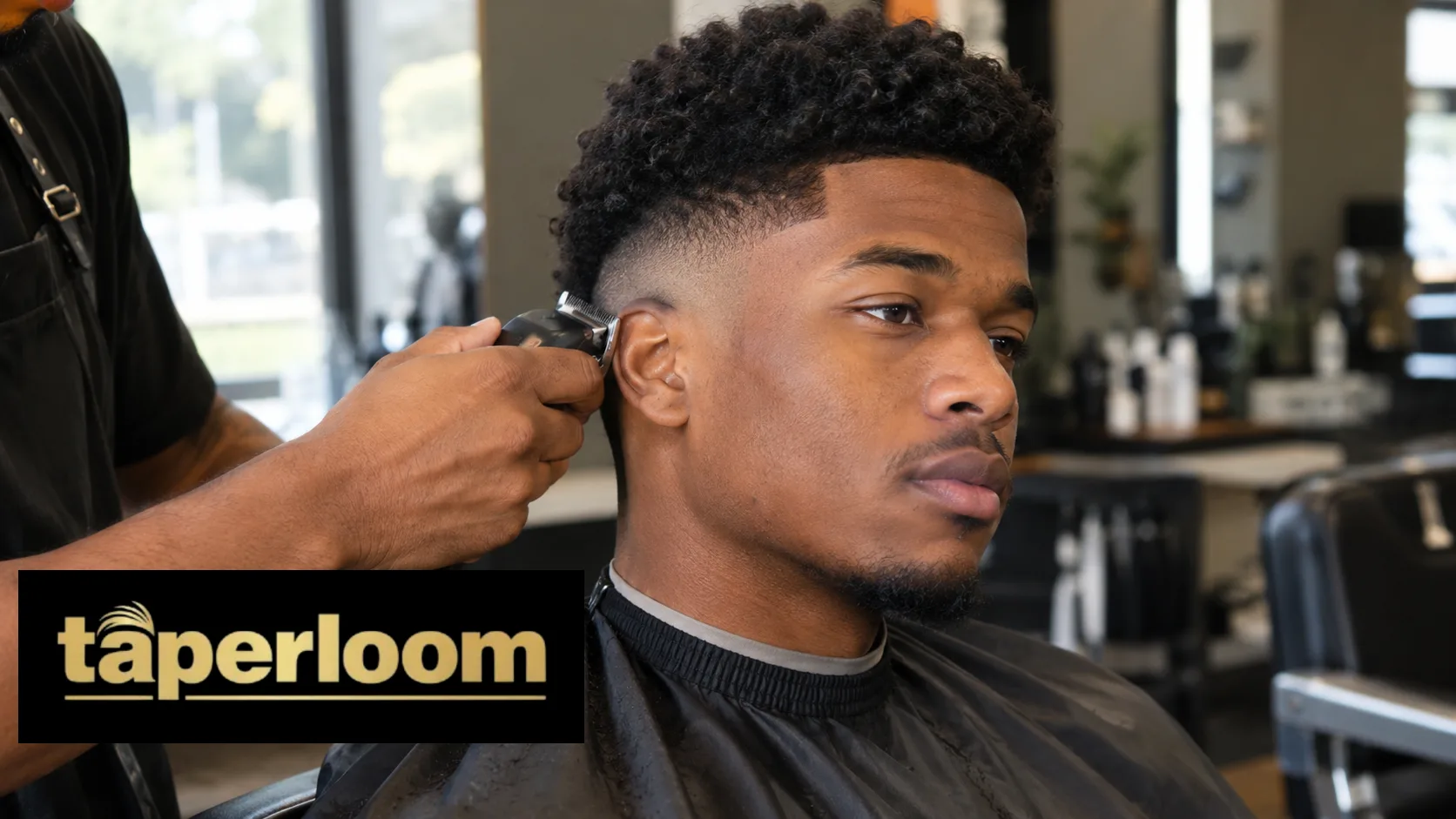
A mid taper fade for Black men starts about one to two inches above the ear, on the side of the head, and blends smoothly down to the neckline.
It sits right between a low taper fade and a high taper fade, giving you enough contrast to look sharp without going too bold.
This cut works with almost every Black hair type. 3C curls, 4A coils, 4B coils, and 4C hair all take to it well, because the natural curve of the head gives your barber a clean landmark to fade from.
If you’ve been scrolling through Black men’s haircuts trying to find “the one,” you’re in the right place. This guide covers 40+ mid taper fade styles for Black men, organized by hair type, face shape, and maintenance level.
You’ll also get exact barber scripts, guard numbers, real cost ranges, a home cutting walkthrough, and answers to the questions people actually search for. No fluff, just what you need before you sit in the chair.
In this guide:
- 40+ styles across 7 categories, from buzz cuts to celebrity inspired looks
- Guard numbers and barber scripts for every style
- A face shape guide that tells you what to avoid, not just what works
- Real cost ranges for barbershop visits and at home cutting
- Step by step instructions if you’re cutting it yourself
What Is a Mid Taper Fade?
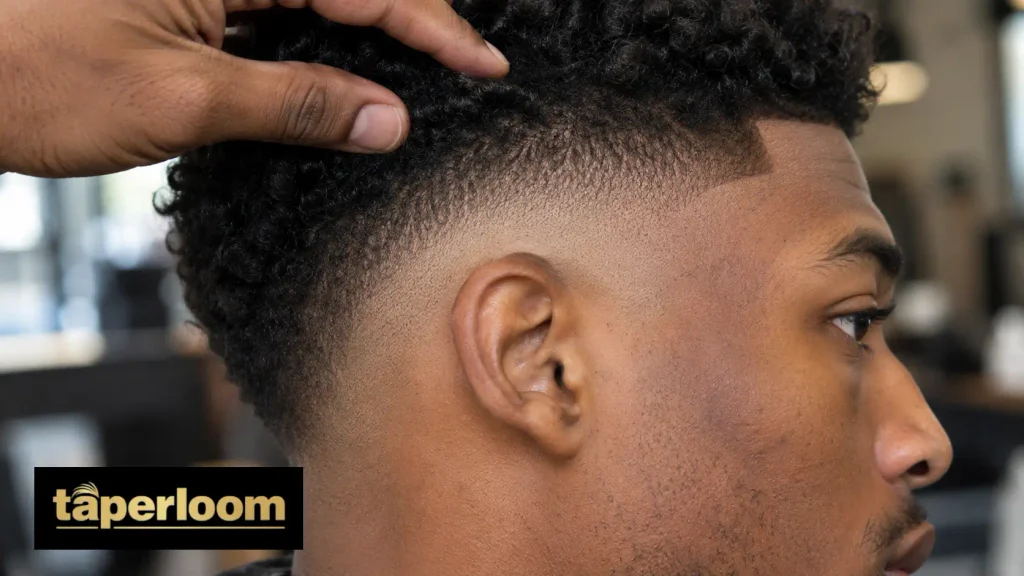
A mid taper fade is a haircut where the hair on the sides and back shortens gradually, starting from a point about one to two inches above the ear and fading all the way down to the skin or a very short length at the neckline.
That starting point, roughly the widest part of the head, gives barbers a natural place to anchor the fade before blending it downward.
The word “taper” describes the gradual drop in length, while “fade” describes how close that length gets to the skin at the bottom. A mid taper fade uses both: length drops off steadily on top, then finishes clean and close at the base.
It’s not as subtle as a low taper, and it’s not as sharp as a high taper. That middle ground is exactly why it works for almost any occasion, from client meetings to weekend plans.
Here’s how it stacks up against the other two placements:
| Feature | Low Taper Fade | Mid Taper Fade | High Taper Fade |
| Starting point | Just above the ear | One to two inches above the ear | Near the crown |
| Contrast | Subtle | Balanced | Bold |
| Best for | Conservative, professional settings | Almost any setting or face shape | Statement looks, younger crowds |
| Face shapes | Square, strong jawlines | Works on most shapes | Oval, angular faces |
| Touch up frequency | Every 3 to 4 weeks | Every 2 to 3 weeks | Every 1 to 2 weeks |
If your barber starts the fade too low, you’ll barely notice a difference from your natural hairline. Too high, and you risk a look that reads as more dramatic than you wanted.
The mid taper splits the difference, which is exactly why it’s the most requested placement in barbershops that serve Black clients.
Mid Taper vs Low vs High vs Skin Fade
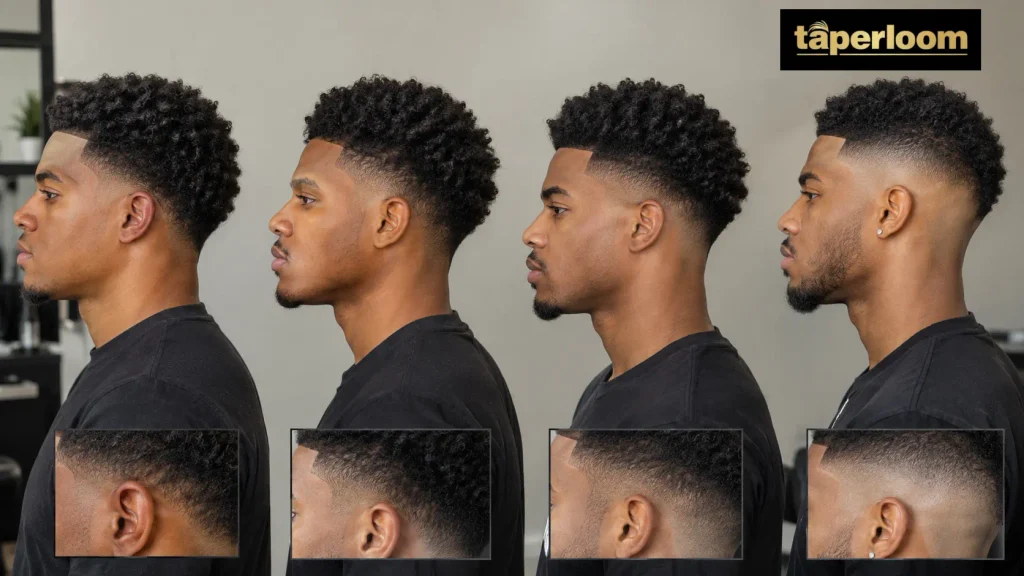
Placement isn’t the only decision you’ll make in the chair. You also need to decide how far down the fade goes, and whether it ends at a guard number or right at the skin. Here’s a side by side comparison of all four options:
| Fade Type | Where It Starts | Finish at the Base | Contrast Level | Upkeep |
| Low Taper Fade | Just above the ear/sideburns | Short guard, rarely skin | Subtle | Every 3 to 4 weeks |
| Mid Taper Fade | One to two inches above the ear | Skin or very short guard | Moderate | Every 2 to 3 weeks |
| High Taper Fade | Near the crown | Skin or short guard | Bold | Every 1 to 2 weeks |
| Skin Fade | Can start at any of the above points | Always skin | Depends on starting point | Every 1 to 2 weeks |
A skin fade isn’t really a separate placement. It’s a finishing choice you can apply to a low, mid, or high taper.
When people ask for a “mid skin fade,” they mean the fade starts at the mid point and drops all the way to bare skin at the bottom, rather than stopping at a guard number.
That’s the sharpest version of the mid taper, and it needs the most frequent upkeep.
Why It Works Best for Black Hair
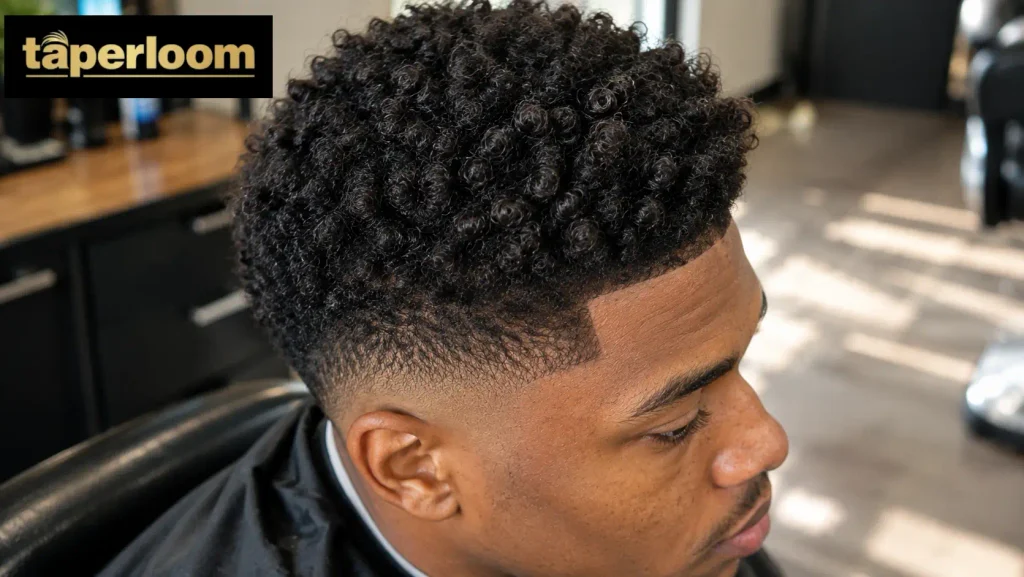
The mid taper fade holds up especially well on Afro textured hair because of how the cut interacts with natural growth patterns and curl shrinkage.
Coily and kinky hair grows in a way that makes uneven fades more noticeable, so a clear anchor point matters more here than it does on straighter hair types.
Starting the fade at the natural curve above the ear gives the barber a consistent reference on both sides, which reduces the chance of a lopsided blend.
Curl shrinkage is another factor. Tightly coiled hair, especially 4C textures, can look noticeably shorter dry than it actually is when stretched.
A mid taper accounts for this by keeping enough length on top to show curl definition, while the sides stay short enough that the fade still reads as sharp once the hair dries and coils back up.
Here’s how the fit changes across common Black hair types:
| Hair Type | Texture | Styles That Work Best |
| 3C | Tight curls, springy, high volume | Defined curls, curly pompadour, curly afro |
| 4A | Defined coils, moderate shrinkage | Twist outs, sponge twists, classic afro |
| 4B | Zigzag coil pattern, dense | High top afro, blowout afro, frohawk |
| 4C | Tightest coil, most shrinkage | Buzz cut, short afro, 360 waves |
The American Academy of Dermatology has noted that fades placed away from the crown put less tension on the hair follicles at the scalp’s edge, which can matter for men who deal with traction alopecia or razor bumps (pseudofolliculitis barbae).
A mid taper, sitting between the two extremes, tends to be a gentler daily wear option than a high skin fade for men managing either condition. As always, a dermatologist or licensed barber familiar with your scalp is the best judge of what’s right for you.
40+ Mid Taper Fade Styles for Black Men
These styles are grouped into seven categories: short and low maintenance cuts, afro styles, curly and textured tops, locs and protective styles, beard pairings, design work, and a fresh category of celebrity inspired looks that are trending right now.
Every style includes the face shapes it flatters, the hair types it suits, a guard number starting point, an exact barber script, and a realistic cost range so you know what to expect before you sit down.
Short & Low Maintenance Mid Taper Fade Styles
These are the easiest styles to keep looking fresh. Most need a trim every two to three weeks and little to no daily styling.
1. Buzz Cut with Mid Taper Fade A uniform buzz on top with a crisp fade starting above the ear. Clean, fast, and works on every face shape.
- Face shapes: All
- Hair type: All, including 4C
- Guard numbers: #1.5 on top, #2 blend zone, #0 at the neckline
- Barber script: “Mid taper fade starting above the ear, skin at the neckline, #2 blend, #1.5 buzz on top.”
- Cost range: $20 to $35
2. Low Afro with Mid Taper Fade A compact, rounded afro sits on top while the sides stay tapered and clean.
- Face shapes: Oval, round, heart
- Hair type: 3C, 4A, 4B
- Guard numbers: #1 base, #2 blend
- Barber script: “Mid taper starting above the ear, #1 base, #2 blend, leave the top rounded and natural, no scissors on top.”
- Cost range: $25 to $40
3. Textured Crop with Mid Taper Fade Short, defined curls on top paired with a clean fade for a modern, low fuss look.
- Face shapes: Oval, square, diamond
- Hair type: 3C, 4A
- Guard numbers: #2 blend, top left at roughly one inch
- Barber script: “Textured crop with a mid taper fade, #2 blend, leave about an inch on top, keep the curls natural.”
- Cost range: $25 to $40
4. French Crop with Mid Taper Fade Tight sides with a short, forward textured fringe on top.
- Face shapes: Oval, round, square
- Hair type: 3C, 4A
- Guard numbers: #2 blend
- Barber script: “French crop with a mid taper fade, fringe forward, #2 blend, textured finish on top.”
- Cost range: $25 to $40
5. Caesar Cut with Mid Taper Fade Uniform short length on top with a horizontal fringe, a good option for finer or lower density hair.
- Face shapes: Oval, oblong, heart
- Hair type: All textures
- Guard numbers: #1 on top, #2 blend
- Barber script: “Caesar cut with mid taper fade, horizontal fringe, uniform length on top, #2 blend, clean edge up.”
- Cost range: $25 to $40
6. Crop Top Fade with Mid Taper A short, textured top with tight, precise sides for a polished, urban finish.
- Face shapes: All
- Hair type: 3C, 4A, 4B
- Guard numbers: #2 blend
- Barber script: “Crop top with mid taper fade, tight sides starting above the ear, short textured top, sharp line up.”
- Cost range: $25 to $40
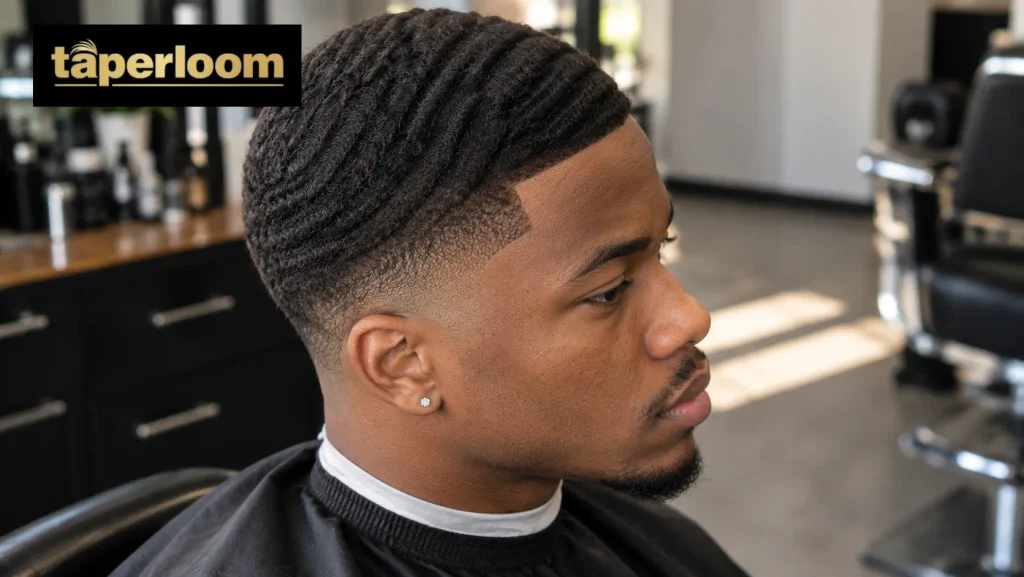
7. 360 Waves with Mid Taper Fade Tight, uniform waves across the scalp with clean sides that don’t disturb the wave pattern.
- Face shapes: Oval, round, square
- Hair type: 4A, 4B, 4C
- Guard numbers: #1.5 guideline, skin at the neckline
- Barber script: “Mid taper fade with a #1.5 guideline above the ear, skin line at the neckline, leave the wave pattern on top, don’t disturb the waves.”
- Cost range: $25 to $45
8. Side Part with Mid Taper Fade A defined, combed over part with sharp, controlled sides. Pairs especially well with a short beard.
- Face shapes: Oval, oblong, heart
- Hair type: 3C, wavy textures
- Guard numbers: #2 blend
- Barber script: “Side part with mid taper fade, part on the left, #2 blend on the sides, leave the top long enough to comb over.”
- Cost range: $25 to $40
Afro Mid Taper Fade Styles
Afro pairings are some of the most requested combinations in this guide, since the fullness on top provides such a strong contrast against the tapered sides.
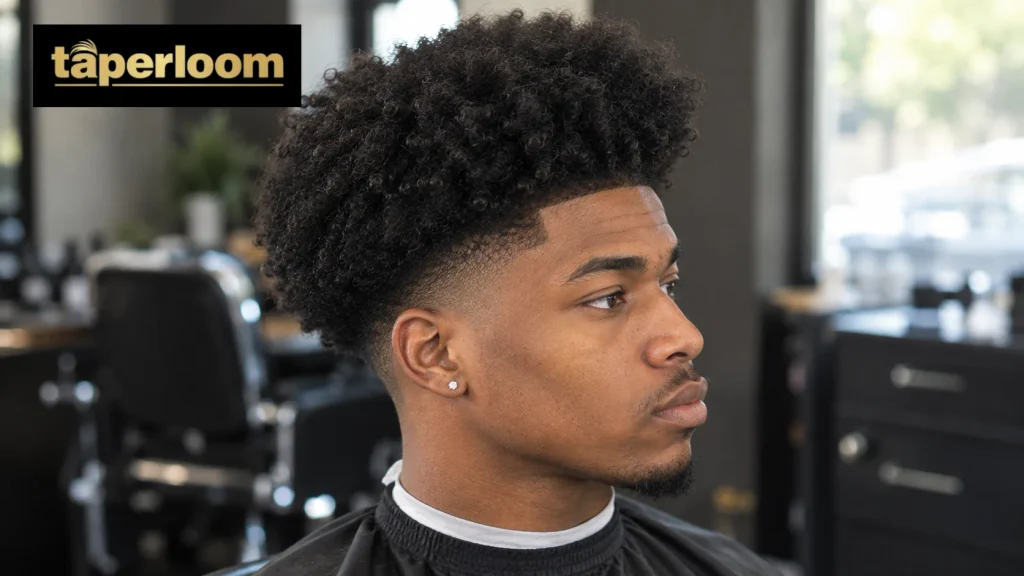
9. Classic Afro with Mid Taper Fade Full, rounded natural texture on top with a precise fade underneath.
- Face shapes: Oval, round, heart
- Hair type: 4A, 4B, 4C
- Guard numbers: #1 base, #2 blend
- Barber script: “Mid taper fade starting above the ear, #1 base, #2 blend, leave the top full and rounded, no cutting on top.”
- Cost range: $25 to $40
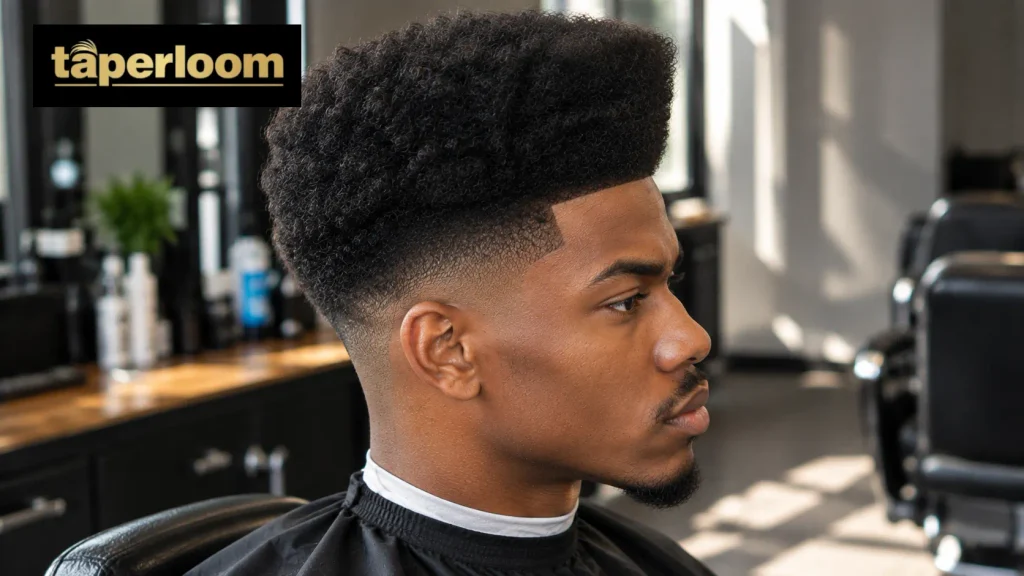
10. High Top Afro with Mid Taper Fade A tall, flat topped afro with strong contrast against the sides. Needs six to eight inches of length on top.
- Face shapes: Round, oval
- Avoid for: Oblong faces, since the added height can look overdone
- Hair type: 4A, 4B, 4C with enough length
- Guard numbers: hard blend from above the ear down
- Barber script: “Abrupt mid taper fade with strong contrast, hard blend, leave the top standing tall and flat, scissor over comb to shape it.”
- Cost range: $35 to $55
11. Mini Afro with Mid Taper Fade A compact version of the classic afro that minimizes the look of shrinkage on 4C hair.
- Face shapes: All
- Hair type: 4A, 4B, 4C
- Guard numbers: #1 base, #2 blend
- Barber script: “Mini afro with mid taper fade, compact shape on top, #1 base, #2 blend, clean edge up.”
- Cost range: $25 to $40
12. Sponged Afro with Mid Taper Fade A hair sponge creates defined, coiled texture on top for a bolder finish than a standard afro.
- Face shapes: Round, oval, heart
- Hair type: 4A, 4B, 4C
- Guard numbers: #1 base, #2 blend
- Barber script: “Sponged afro with mid taper fade, leave the top full, #1 base, #2 blend, edge up on the hairline.”
- Cost range: $25 to $40
13. Frohawk with Mid Taper Fade A central strip of natural hair runs front to back, with both sides faded down for strong contrast.
- Face shapes: Oval, oblong
- Avoid for: Round faces, where the width reads wider rather than taller
- Hair type: 4A, 4B, 4C
- Guard numbers: hard fade both sides
- Barber script: “Frohawk with mid taper fade, keep the center strip full, fade out both sides from above the ear down, hard contrast.”
- Cost range: $30 to $50
14. Blowout Afro with Mid Taper Fade Volume is lifted and blown out for maximum height, sitting on top of a clean tapered base.
- Face shapes: Round, oval
- Hair type: 4B, 4C
- Guard numbers: #1 base, #2 blend
- Barber script: “Blowout afro with mid taper fade, blow out the top for volume, mid taper starting above the ear, #1 base, #2 blend.”
- Cost range: $35 to $55
15. Afro with Edge Up and Mid Taper A crisp, razor sharp hairline finishes off a full natural afro.
- Face shapes: All, especially oval and square
- Hair type: 4A, 4B, 4C
- Guard numbers: #1 base, #2 blend
- Barber script: “Afro with mid taper fade and a full edge up, sharp hairline, clean forehead line with the T-outliner.”
- Cost range: $30 to $45
16. Short Afro with Beard and Mid Taper Fade A universally flattering combination that works in the office and on the weekend.
- Face shapes: All, especially oval and square
- Hair type: 4A, 4B, 4C
- Guard numbers: #1 base, #2 blend
- Barber script: “Short afro with mid taper fade, connect the fade into my beard line on both sides for a seamless transition.”
- Cost range: $35 to $55
Curly & Textured Top Mid Taper Fades
These styles put curl definition front and center, which means moisturized, well conditioned hair matters more here than in any other category.
17. Defined Curls with Mid Taper Fade Curls are shaped for maximum definition against a sharp, clean perimeter.
- Face shapes: Oval, diamond, square
- Hair type: 3C, 4A
- Guard numbers: #2 blend
- Barber script: “Mid taper fade starting above the ear, #2 blend, leave the top long enough for curls to show, full curl definition on top.”
- Cost range: $30 to $45
18. Finger Coils with Mid Taper Fade Each coil is manually shaped for a uniform, intentional pattern on top.
- Face shapes: Oval, round, heart
- Hair type: 4A, 4B
- Guard numbers: #1 base, #2 blend
- Barber script: “Mid taper fade with the top left long enough for finger coils, #1 base, #2 blend, edge up.”
- Cost range: $30 to $50 (plus styling time)
19. Twist Out with Mid Taper Fade Overnight twists are unraveled for a full, defined curl pattern with a sharp perimeter underneath.
- Face shapes: Oval, round, heart
- Hair type: 4A, 4B
- Guard numbers: #1 base, #2 blend
- Barber script: “Mid taper fade starting above the ear, #1 base, #2 blend, leave the top long enough for twist outs, clean edge up.”
- Cost range: $30 to $45
20. Curly Pompadour with Mid Taper Fade Natural curl volume is swept back and up for a classic silhouette with a modern base.
- Face shapes: Oval, heart, oblong
- Hair type: 3C, 4A
- Guard numbers: #2 blend, strong contrast
- Barber script: “Curly pompadour with mid taper fade, sweep the top back, strong contrast on the sides.”
- Cost range: $30 to $50
21. Quiff with Mid Taper Fade Extra length up front creates a lifted, forward sweeping shape.
- Face shapes: Oval, oblong, heart
- Hair type: 3C, 4A
- Guard numbers: #2 blend
- Barber script: “Quiff with mid taper fade, leave extra length at the front for lift, taper the sides, smooth blend.”
- Cost range: $30 to $45
22. Sponge Twists with Mid Taper Fade A quick, no overnight-styling way to get defined, coiled texture on top.
- Face shapes: Round, oval, heart
- Hair type: 4A, 4B
- Guard numbers: #1 base, #2 blend
- Barber script: “Sponge twists on top with a mid taper fade, #1 base, #2 blend, leave the top long enough for the sponge to work.”
- Cost range: $25 to $40
Locs, Braids & Protective Style Mid Taper Fades
These pairings let you keep length and cultural styling on top while the sides stay sharp and low maintenance.
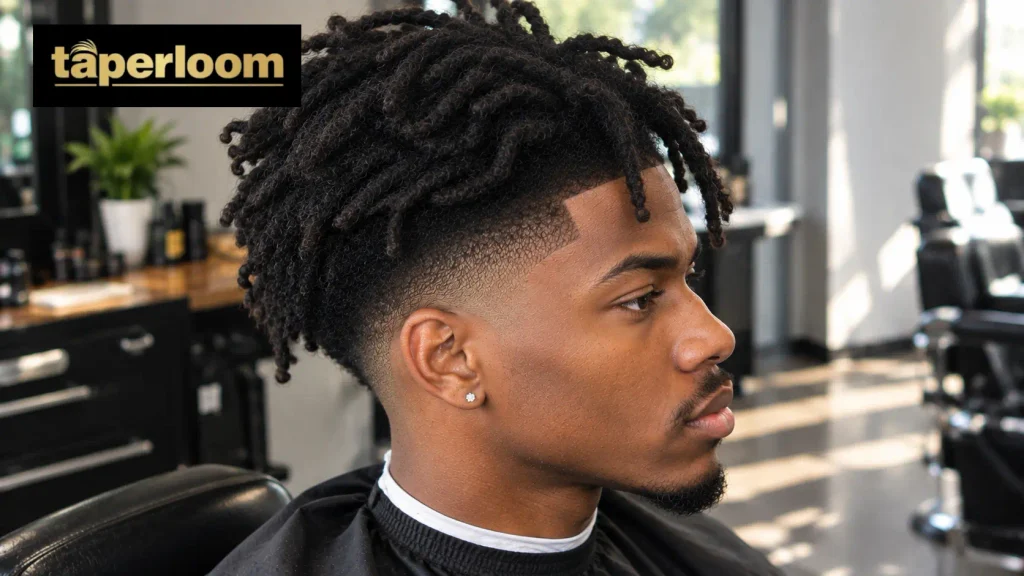
23. Dreadlocks with Mid Taper Fade A dramatic contrast between clean, tapered sides and full, natural locs.
- Face shapes: All, especially oval and square
- Hair type: All Afro textured types
- Guard numbers: #1 base, blend up to where the locs begin
- Barber script: “Mid taper fade on the sides starting above the ear, #1 base, blend up to where the locs begin, clean edge up and neckline.”
- Cost range: $25 to $45 (fade only, separate from loc maintenance)
24. Loc Bun with Mid Taper Fade Locs are gathered at the crown for a neater, more polished version of free hanging locs.
- Face shapes: Round, oval, square
- Hair type: All with mature locs
- Guard numbers: #1 base, #2 blend
- Barber script: “Mid taper fade with the locs pulled up, clean sides from above the ear down, sharp neckline.”
- Cost range: $25 to $45
25. Box Braids with Mid Taper Fade Braids stay untouched on top while the sides get a modern, edgy finish.
- Face shapes: Oval, round, heart
- Hair type: All Afro textured types
- Guard numbers: #1 base, blend up to the braids
- Barber script: “Mid taper on the sides, blend up to where the braids begin, crisp line up on the forehead.”
- Cost range: $20 to $40 (fade only)
26. Feed In Braids with Mid Taper Fade Braids that lie flat and start small at the hairline pair with a clean faded perimeter.
- Face shapes: Oval, oblong, heart
- Hair type: All Afro textured types
- Guard numbers: #1 base, blend up to the braids
- Barber script: “Mid taper fade with feed in braids, clean the sides from above the ear down, leave the top for the braider.”
- Cost range: $20 to $40 (fade only)
27. Cornrows with Mid Taper Fade A traditional style paired with a contemporary faded frame.
- Face shapes: All
- Hair type: All Afro textured types
- Guard numbers: #1 base
- Barber script: “Mid taper fade around the cornrows, #1 base, clean neckline, crisp edge up on the forehead.”
- Cost range: $20 to $40 (fade only)
28. Man Bun with Mid Taper Fade Length on top is gathered and secured while the sides fade into a smooth gradient.
- Face shapes: Oval, oblong, square
- Hair type: 3C, 4A, 4B with sufficient length
- Guard numbers: #2 blend
- Barber script: “Man bun with mid taper fade, clean the sides from above the ear down, leave all the top length for the bun.”
- Cost range: $25 to $45
29. Rope Twists with Mid Taper Fade Tight, rope-like twists on top against a skin-level or close mid taper on the sides.
- Face shapes: Oval, round, heart
- Hair type: 4A, 4B, 4C
- Guard numbers: skin or #1 base
- Barber script: “Rope twists on top with mid taper fade, tight sides starting above the ear, skin level blend at the base.”
- Cost range: $30 to $50 (fade only)
Mid Taper Fade with Beard Styles
Connecting the fade into the beard line pulls the entire look together.
30. Mid Taper Fade with Full Beard The most complete, masculine pairing on this list, with the fade blending directly into the beard.
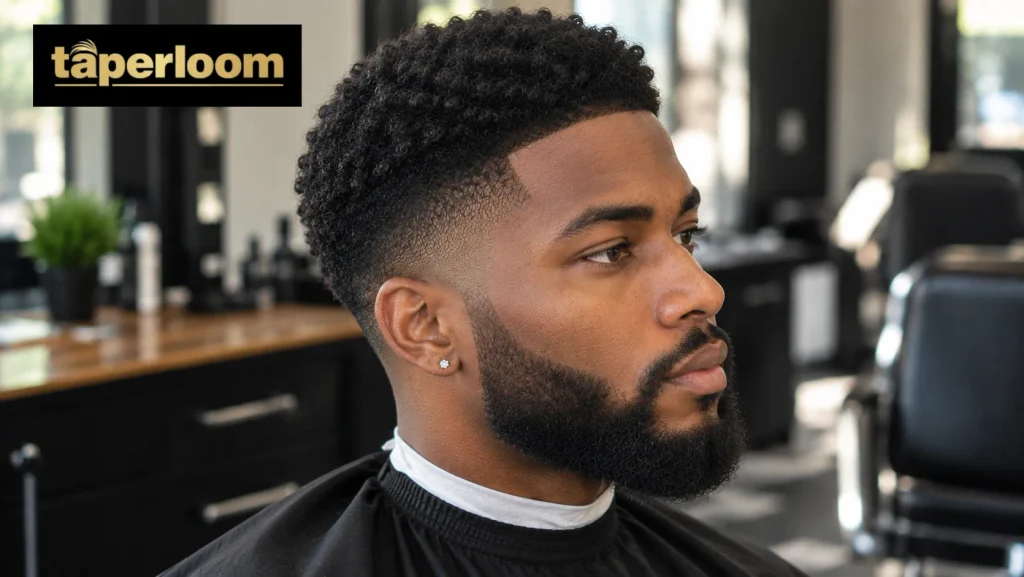
- Face shapes: Oval, round, square
- Guard numbers: #1 base, #2 blend
- Barber script: “Mid taper fade connected into my beard line, seamless transition on both sides, full beard trimmed and shaped.”
- Cost range: $35 to $60 (cut and beard combined)
31. Mid Taper Fade with Short Beard or Stubble An effortless pairing that adds texture without much upkeep.
- Face shapes: All
- Guard numbers: #2 blend
- Barber script: “Mid taper fade, connect lightly into the stubble line, keep it clean but natural.”
- Cost range: $30 to $50
32. Mid Taper Fade with Angular Beard Sharp, geometric beard lines mirror the precision of the fade.
- Face shapes: Oval, square, oblong
- Guard numbers: #2 blend
- Barber script: “Mid taper fade with an angular beard, clean geometric lines, connected transition on both sides.”
- Cost range: $35 to $60
Mid Taper Fade with Designs & Artistic Details
Design work turns a clean fade into a personal signature. Bring a reference photo for anything beyond a single line.
33. Mid Taper Fade with Shaved Line Design One or two sharp lines shaved near the side of the head for a subtle detail.
- Guard numbers: any base guard, T-outliner for the line
- Barber script: “Mid taper fade with a shaved line detail on the side, one clean line, sharp and straight.”
- Cost range: $5 to $10 extra on top of the base cut
34. Mid Taper Fade with Geometric Pattern Precise shapes and angles etched into the fade zone for a bold, artistic finish.
- Barber script: “Mid taper fade with a geometric pattern, using the photo I’ve brought, T-outliner for the design, sharp and clean.”
- Cost range: $10 to $25 extra depending on complexity
35. Mid Taper Fade with Full Line Up and Crisp Edge Up The finishing touch that makes any style on this list look freshly cut, even as it grows out.
- Guard numbers: T-outliner plus straight razor
- Barber script: “Full edge up with crisp hairline, T-outliner first, then clean it up with a straight razor.”
- Cost range: $5 to $15 extra, or included with a full cut
Celebrity Inspired Mid Taper Looks (2026)
These are the pairings currently showing up most in barbershop reference photos and grooming feeds.
36. Textured Fringe Mid Taper A short, choppy fringe left slightly longer at the front, faded cleanly on the sides. A go-to look for a sharper, edgier take on the standard crop.
- Face shapes: Oval, square, heart
- Hair type: 3C, 4A
- Guard numbers: #2 blend
- Barber script: “Mid taper fade with a textured fringe left longer at the front, choppy finish, #2 blend.”
- Cost range: $30 to $50
37. Low Volume Curly Crop A closely trimmed curly top that keeps texture visible without much height, paired with a tight mid taper.
- Face shapes: Oval, diamond, square
- Hair type: 3C, 4A
- Guard numbers: #2 blend
- Barber script: “Curly crop with mid taper fade, keep the top low and textured, tight blend on the sides.”
- Cost range: $30 to $45
38. High Contrast Waves with Design 360 waves paired with a single shaved line detail for a sharper, statement finish.
- Face shapes: Oval, round, square
- Hair type: 4A, 4B, 4C
- Guard numbers: #1.5 guideline, skin at the neckline
- Barber script: “Mid taper fade with 360 waves and a single shaved line detail above the ear.”
- Cost range: $35 to $55
39. Modern Flat Top with Mid Taper A shorter, more wearable take on the high top afro, with a flatter profile and tighter sides.
- Face shapes: Round, oval
- Avoid for: Oblong faces
- Hair type: 4B, 4C with enough length
- Guard numbers: hard blend
- Barber script: “Modern flat top with mid taper fade, keep the height moderate, hard contrast on the sides.”
- Cost range: $35 to $55
40. Soft Part Curl Fade A subtle, natural looking part combined with soft, defined curls and a moderate fade. A quieter alternative to the classic side part.
- Face shapes: Oval, oblong, heart
- Hair type: 3C, 4A
- Guard numbers: #2 blend
- Barber script: “Soft part with a mid taper fade, natural looking part, curls left long enough to show definition.”
- Cost range: $30 to $45
Mid Taper Fade Face Shape Guide
The mid taper fade is forgiving across almost every face shape, but pairing it with the right top style makes a noticeable difference.
Oval Face Shape
The most balanced shape for this cut. Nearly every style in this guide works well.
- Best pairings: Classic afro, defined curls, box braids, 360 waves, man bun
- Styles to avoid: None in particular, oval faces have the most flexibility
Round Face Shape
Height on top helps balance the width of the face.
- Best pairings: High top afro, frohawk, blowout afro, rope twists
- Styles to avoid: Low afro without added height, side part with a flat top, anything that adds width without lifting height
Square Face Shape
A gradual blend softens the jawline without erasing its structure.
- Best pairings: Defined curls, sponge twists, loc bun, curly pompadour
- Styles to avoid: Sharp, disconnected fades that emphasize already strong angles, like a hard frohawk
Heart Face Shape
Volume through the crown balances a wider forehead and narrower chin.
- Best pairings: Short afro with beard, man bun, sponge twists, low afro
- Styles to avoid: Styles that add width right at the forehead, like a wide, flat crop
Oblong or Long Face Shape
Extra height only makes the face look longer, so width matters more than lift here.
- Best pairings: 360 waves, low afro, buzz cut, short afro with beard
- Styles to avoid: High top afro, blowout afro, frohawk
Diamond Face Shape
Balanced volume that doesn’t emphasize wide cheekbones works best.
- Best pairings: Defined curls, sponge twists, side part
- Styles to avoid: Styles with heavy width at the cheekbone level, like an unshaped afro without a fade
How Much Does a Mid Taper Fade Cost?
Pricing depends heavily on your city, the barbershop’s reputation, and how much design or beard work you’re adding on. Here’s a general breakdown:
| Setting | Typical Price Range | Notes |
| Basic barbershop, mid taper only | $20 to $35 | Standard fade, no beard or design |
| Mid taper with beard trim | $30 to $60 | Combined service, most common combo |
| Mid taper with design work | $30 to $60 | Add $5 to $25 depending on complexity |
| Premium or specialty barbershop | $45 to $80+ | Often includes hot towel, styling, and extras |
| At home cutting, one time tool cost | $40 to $100 | Clippers with guard set, T-outliner, mirror |
If you’re getting fades every two to three weeks, the cost adds up fast. A $30 fade every three weeks comes out to roughly $520 a year.
That math is one of the biggest reasons men who wear this cut long term eventually invest in a clipper set and learn to maintain it between barbershop visits, even if they still go in for full cuts and design work.
How to Ask Your Barber for a Mid Taper Fade
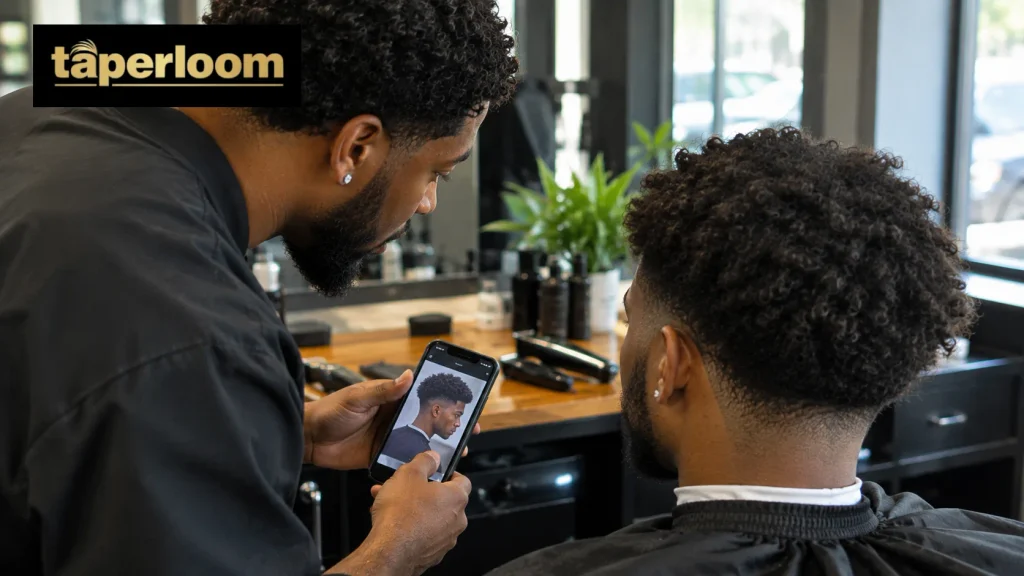
Clear communication saves you a bad haircut. Here’s exactly what to say and show.
Step 1: Bring a reference photo. A picture removes almost all guesswork. Save two or three examples from this guide before your appointment.
Step 2: Name the placement clearly. Say “mid taper fade, starting about an inch or two above the ear.” That single sentence tells your barber exactly where to anchor the fade.
Step 3: Give your guard numbers. Say “#1 at the base, #2 for the blend, and [your preferred length] on top.” Specific numbers signal that you know what you want.
Step 4: Describe the top length precisely. “Short on top with a #2” and “leave it long enough for my curls to show” mean very different things. Be exact.
Step 5: Say what you want at the edges. If you want a sharp, defined hairline, ask for it directly: “please add a crisp edge up on the hairline.”
Step 6: Bring a photo for any design work. Even skilled barbers prefer a visual reference over a verbal description for shaved lines or patterns.
Exact Barber Scripts by Style
| Style | What to Say |
| Classic Afro + Mid Taper | “Mid taper fade above the ear, #1 base, #2 blend, leave the top natural and rounded, no scissors on top.” |
| 360 Waves + Mid Taper | “Mid taper with a #1.5 guideline above the ear, skin at the neckline, leave the wave pattern, don’t brush out the waves.” |
| Buzz Cut + Mid Taper | “Mid taper, skin at the base, #2 blend, #1.5 buzz on top, edge up on the hairline.” |
| Box Braids + Mid Taper | “Mid taper on the sides, blend up to where the braids begin, crisp line up at the forehead.” |
| Locs + Mid Taper | “Mid taper on the sides from above the ear down, #1 base, blend up to loc length, clean up the edges and neckline.” |
| High Top Afro + Mid Taper | “Abrupt mid taper fade, strong contrast, hard blend, leave the top standing tall and flat.” |
| With Beard | “Connect the mid taper into my beard line on both sides, seamless transition, both sides matching.” |
Clipper Guard Quick Reference
| Guard | Length | Use in a Mid Taper |
| Skin/open lever | Closest to skin | Base of a skin fade finish |
| #1 | 1/8 inch | Shortest guideline at the fade base |
| #2 | 1/4 inch | Main blending guard |
| #3 | 3/8 inch | Upper transition zone |
| #4 | 1/2 inch | Top length for shorter cuts |
| #5 to #7 | 5/8 to 7/8 inch | Top length for medium length styles |
Ask your barber if they use the clipper lever technique, opening and closing the lever between guard sizes rather than switching attachments constantly.
It’s one of the simplest ways to judge whether a barber will give you a smooth blend or a choppy one.
Mid Taper Fade Maintenance and Aftercare
Keeping a mid taper fade sharp comes down to three things: sticking to a refresh schedule, moisturizing daily, and protecting your hair overnight.
Refresh Schedule
| Fade Type | Refresh Frequency | Why |
| Skin fade finish | Every 1 to 2 weeks | Growth shows fastest at the skin line |
| Mid taper fade | Every 2 to 3 weeks | Moderate contrast is more forgiving |
| Low taper fade | Every 3 to 4 weeks | Subtle blend hides growth longer |
Daily Routine by Style Type
Short hair and 360 waves: Apply wave cream to slightly damp hair, brush in your wave direction for 10 to 15 minutes, and wrap with a durag overnight to lock in the pattern.
Natural afro and curly top styles: Dampen hair lightly each morning, apply a leave-in conditioner, then scrunch in curl cream to refresh the curl pattern. Cover with a satin bonnet at night.
Locs, twists, and braids: Apply a light hair oil to the edges and sections each morning. Wrap the hairline with a silk scarf before bed to protect the edge up.
Product Guide
| Product | Best For | How to Use |
| Curl cream | 3C to 4A curls | Apply to damp hair, scrunch upward |
| Wave cream | 360 waves | Apply to damp hair, brush in wave direction |
| Leave-in conditioner | All Afro textured hair | First moisture step on damp hair |
| Molding paste | Quiff, side part, pompadour | Work through dry hair for flexible hold |
| Pomade | Slick styles, waves | Small amount goes a long way |
| Texture clay | Curly and textured crops | Adds grip without shine |
| Edge control | Any style with an edge up | Apply along the hairline to hold the line between cuts |
Switching from a cotton pillowcase to a satin bonnet, durag, or silk pillowcase makes a real difference for Afro textured hair.
Cotton pulls moisture out of coily hair overnight, which leads to dryness that a lot of men mistake for a product problem rather than a fabric problem.
How to Cut a Mid Taper Fade at Home
Cutting your own fade takes patience, decent lighting, and a mirror setup that shows you the back of your head. Go slower than you think you need to, since you can always take more hair off but you can’t put it back.
Tools You’ll Need
- Clippers with a full guard set (skin to #7)
- A T-outliner for edge work
- A tri-fold mirror, or two mirrors angled to show the back
- A spray bottle with water
- A wide-tooth comb
- Good lighting, ideally natural light
Step-by-Step
Step 1: Wash and dry your hair. Clean, product-free hair blends more evenly. If your hair is coarse or 4C, a warm towel on the sides for a minute or two can soften it before you start.
Step 2: Set your guideline. Using a #2 guard, run the clippers along the widest part of your head, about one to two inches above the ear, to establish where the fade begins.
Step 3: Work with the grain. Fade in the same direction your hair grows. For tighter coils, gently stretch the hair before each pass for a cleaner cut.
Step 4: Blend upward. Switch to a #3 guard and use short, scooping motions moving up from your guideline. Open and close the clipper lever between guard sizes to soften any visible lines.
Step 5: Clean the neckline. Use the T-outliner to define a clean, straight or slightly curved neckline, depending on the finish you want.
Step 6: Add the edge up. Use the T-outliner along your hairline and the sides of your forehead. A straight razor gives the sharpest result if you’re comfortable using one.
Step 7: Style the top. Apply whatever product fits your top style, curl cream, wave cream, or pomade, and finish as usual.
Common Mid Taper Fade Mistakes to Avoid
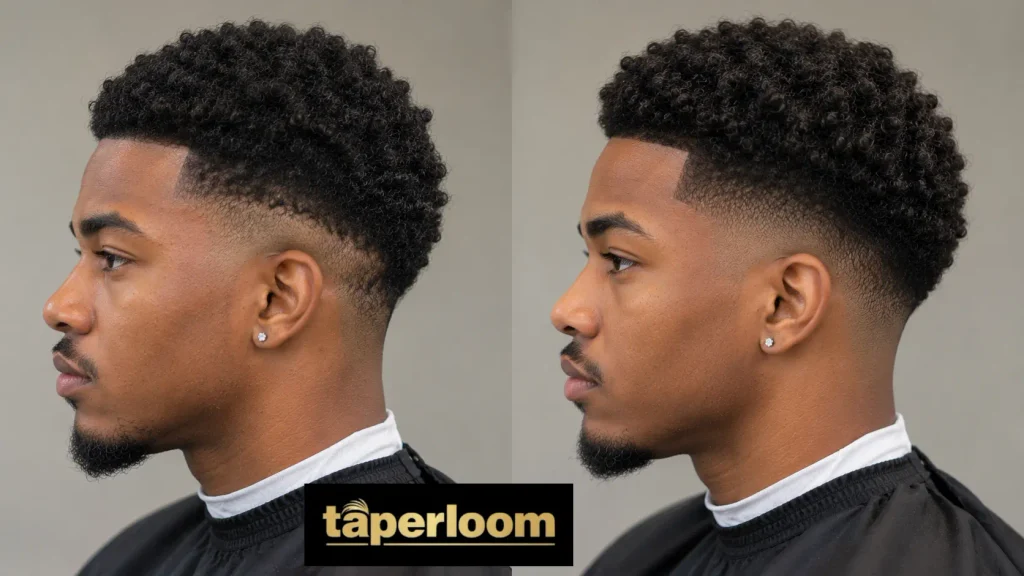
| Mistake | Why It Happens | How to Fix It |
| Uneven fade line | Guidelines aren’t matched on both sides | Set both sides before fading, and check symmetry in the mirror |
| Visible harsh lines | Skipping the lever technique between guards | Open and close the lever between guard sizes to soften the blend |
| Cutting the top too short | Rushing the first pass | Start with a #4 or #5 on top and go shorter gradually |
| Fading against the grain | Not checking hair direction first | Run your hand through the hair to feel which way it grows before you start |
| Rushed neckline | Treating it as an afterthought | Always finish with a clean T-outliner pass on the neckline |
| Skipping a warm towel on coarse hair | Not knowing it helps | A short warm towel treatment softens coarse hair and improves the blend |
| No reference photo | Assuming a description is enough | Bring a photo every time, even to a barber you trust |
The Cultural Roots of the Mid Taper Fade
The taper fade has deep roots in Black barbershop culture, tracing back to early twentieth century barbershops that served as gathering places for Black communities well beyond haircuts.
Through the Civil Rights era and the natural hair movement of the 1960s and 70s, hairstyle became a form of personal and political expression, with the afro standing as a direct statement of pride. The high top styles of the 1980s pushed that creativity even further.
Today’s mid taper fade carries that same lineage forward. Whether it’s paired with locs, an afro, waves, or braids, the cut continues a tradition where a barbershop visit is as much about identity and self-expression as it is about grooming.
Expert Insight
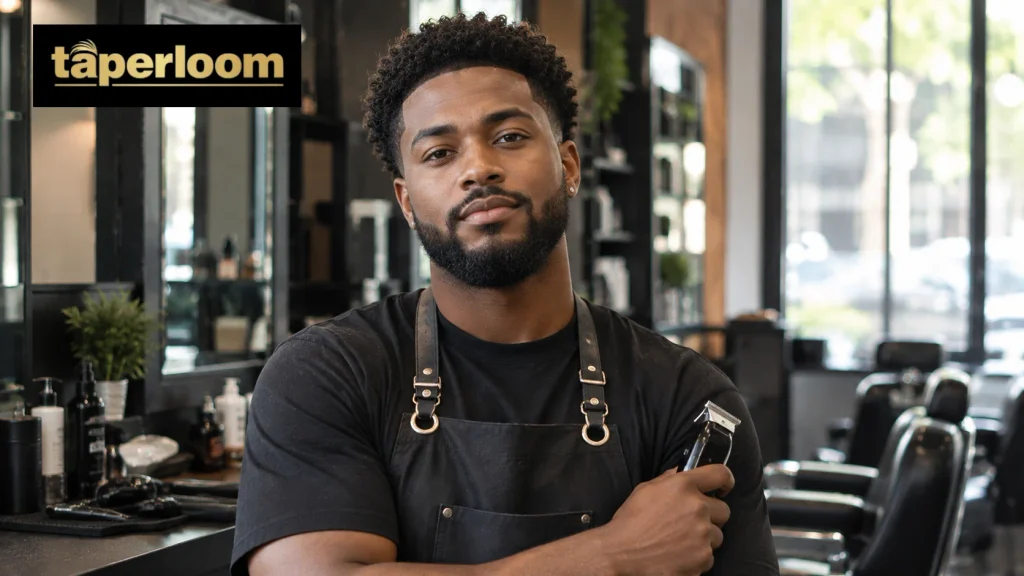
“A mid taper fade lives or dies on the guideline. If a barber gets that starting point wrong, above the ear, symmetrical on both sides, everything else in the cut suffers.
It’s the one step I tell new barbers never to rush.” insight from a licensed barber with over a decade of experience cutting Afro textured hair.
Frequently Asked Questions
What is a mid taper fade for Black men?
A mid taper fade is a haircut where the hair gradually shortens starting one to two inches above the ear and blends down to the neckline. It suits Afro textured, coily, and kinky hair particularly well because it works with the hair’s natural growth pattern rather than against it.
What’s the difference between a mid taper fade and a low taper fade?
A low taper fade starts just above the ear for a subtle, understated look. A mid taper fade starts higher, creating more visible contrast, and needs a touch up roughly every two to three weeks compared to three to four weeks for a low fade.
Does a mid taper fade work on 4C hair?
Yes. The mid taper’s starting point gives barbers a consistent landmark for blending tightly coiled hair, and the moderate contrast keeps the cut from over-exposing sensitive scalp skin.
How often should you refresh a mid taper fade?
Every two to three weeks for most people. The area just above the ear tends to show new growth first, so keep an eye on that spot to judge when you’re due for a trim.
What guard number is used for a mid taper fade?
Most mid taper fades use a #1 guard at the base near the neckline, a #2 guard for the main blend zone, and a #3 or #4 for the upper transition, with the clipper lever used between sizes for a smooth result.
What hairstyle pairs best with a mid taper fade for Black men?
Popular pairings include the classic afro, 360 waves, sponge twists, high top afro, dreadlocks, box braids, and defined curls. The right choice depends on your hair type, face shape, and how much maintenance you want to take on.
Which face shape suits a mid taper fade best?
It works on every face shape, but oval faces have the most flexibility. Round faces benefit from added height, like a high top afro or frohawk. Square faces do well with softer, blended styles. Oblong faces should lean toward styles that add width rather than height.
Can you get a mid taper fade with dreadlocks?
Yes. The clean, tapered sides create a strong contrast against the fullness of the locs on top. Ask your barber to start the fade above the ear and blend it up to where the locs begin.
How much does a mid taper fade cost?
A basic mid taper fade typically runs $20 to $35 at a standard barbershop, $30 to $60 with a beard trim included, and $45 or more at premium shops. At home cutting requires a one-time tool investment of roughly $40 to $100.
What’s the difference between a taper, a fade, and a taper fade?
A taper gradually reduces length without necessarily reaching the skin. A fade brings the hair down to or near the skin for maximum contrast. A taper fade combines both, gradually reducing length and finishing close to the skin for a blended, high contrast result.
What products should Black men use to maintain a mid taper fade?
A sulfate-free shampoo once a week, a co-wash a few times a week, and a daily leave-in conditioner cover the basics. Style with curl cream for natural curls, wave cream for 360 waves, or pomade for slicker looks, and sleep with a satin bonnet or durag to protect the style overnight.
Is a mid taper fade good for a first haircut appointment with a new barber?
Yes, it’s a safe, forgiving choice for a first visit. Bring a reference photo and use the exact scripts in this guide, and you’ll get a good read on a new barber’s blending skill without committing to anything too dramatic.
Read Next : Mid Taper Haircut: The Complete Guide for Men (2026)

Muhammad Kaleem is a content creator who writes about hair care, hairstyles, grooming, and everyday hair trends. He enjoys turning hair-related topics into simple, practical, and easy-to-understand content that helps readers make informed choices about their hair and personal style.