
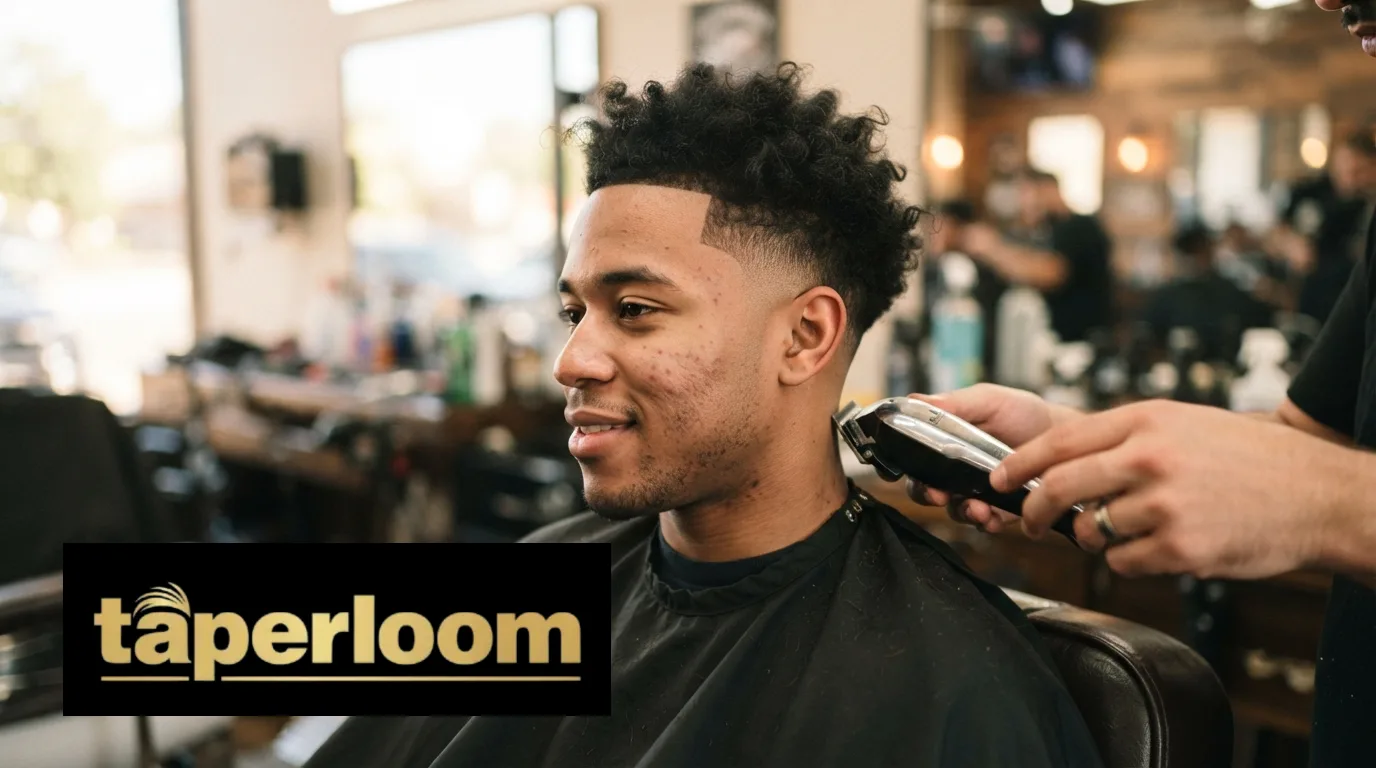
A mid taper haircut is a men’s fade where the hair starts tapering at the sides above your ears around eyebrow level and gradually blends down into the neckline.
It sits right between a low taper and a high taper, giving you balanced contrast, clean edges, and a sharp hairline that works for both formal and casual settings. Most guys get it touched up every 2–3 weeks.
- Where it starts: The area above your ear, roughly at eyebrow height
- Contrast level: Moderate more visible than a low taper, less dramatic than a high taper
- Works with: Every hair type straight, wavy, curly, coily
- Maintenance: Every 2 to 3 weeks for sharp edges
What Is a Mid Taper Fade?
A mid taper fade is a men’s haircut where the fade begins at the sides above the ears, around eyebrow level, then blends gradually down through the sides and back into the neckline.
It sits between a low taper and a high taper, offering moderate skin exposure and balanced contrast that suits nearly every hair type and face shape.
You’ll also hear barbers call it a “medium taper fade” or just a “mid fade.” All three terms point to the same haircut. What matters isn’t the label, it’s where the fade starts and how smooth the blend is.
KEY POINTS:
- The fade starts higher than a low taper but lower than a high taper
- Skin exposure is moderate: noticeable, but never extreme
- It works with straight, wavy, curly, and coily hair without exception
- Top length is flexible, anywhere from a buzzed crop to several inches of texture
- The neckline can be tapered, rounded, or squared off, depending on your preference
- Most men book a touch-up every 2 to 3 weeks to keep the hairline sharp
The reason this cut dominates barbershop requests is simple: it gives you real contrast and definition without the commitment of a high fade. You get clean lines, natural volume on top, and a shape that reads professional in an office and relaxed on a weekend.
Mid Taper vs Every Other Fade: The Complete Comparison
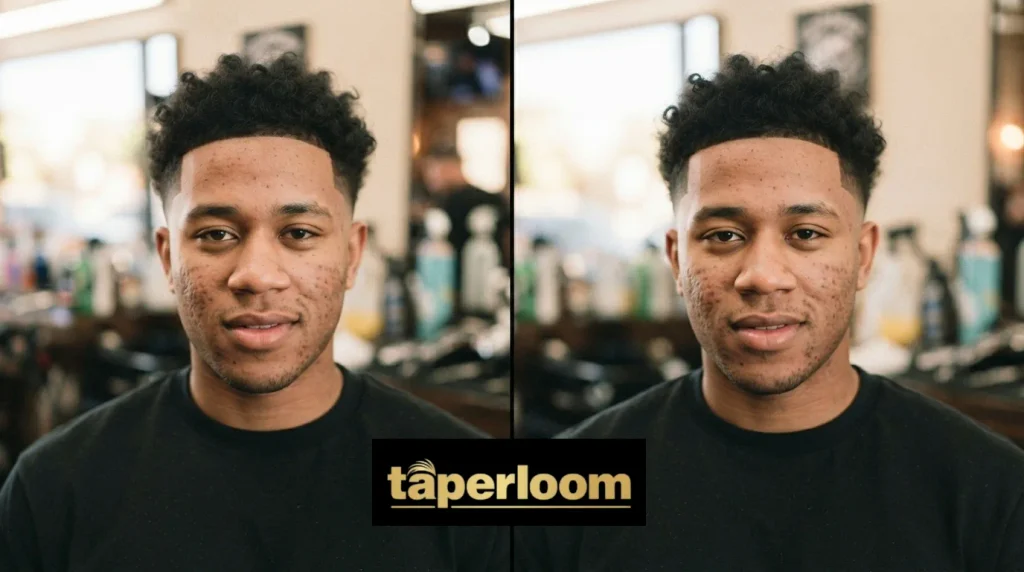
Fade names get thrown around loosely at the barbershop, and that’s how you end up with a haircut you didn’t ask for. Here’s exactly how a mid taper stacks up against every other fade type, side by side.
| Fade Type | Starting Point | Contrast Level | Best For | Maintenance |
| Low Taper | Just above the ear | Subtle, minimal skin exposure | Conservative, professional settings | 3 to 4 weeks |
| Mid Taper | Sides above the ears, eyebrow level | Moderate, balanced | Nearly every face shape and setting | 2 to 3 weeks |
| High Taper | Higher up the sides, near the crown | Bold, dramatic | Creative fields, thick or curly hair | 1 to 2 weeks |
| Skin Fade | Any height, blended to bare skin | Sharp, high contrast at the base | Men who want maximum definition | 1 to 2 weeks |
| Drop Fade | Curves downward behind the ear | Moderate to bold, adds shape | Guys who want extra dimension | 2 to 3 weeks |
| Burst Fade | Radiates in a semicircle around the ear | Bold, unique silhouette | Mohawks, faux hawks, edgy tops | 2 to 3 weeks |
Mid taper vs low taper: The gap is about an inch or two. A low taper stays close to the ear and barely shows any skin. A mid taper starts higher, so it shows more contrast without going overboard.
Mid taper vs high taper: A high taper climbs much further up the sides, closer to the crown, and creates a far more dramatic look. If you want something bold, go high. If you want balance, stay mid.
Mid taper vs mid fade: Technically, a mid taper tapers the hair shorter without necessarily reaching bare skin, while a mid fade blends all the way down to the skin. In practice, most barbers use the two terms interchangeably, so always clarify: “fade it to the skin” or “leave a bit of shadow.”
Mid taper skin fade: This is simply a mid taper that’s been faded all the way to bare skin at the bottom. It’s the most requested variation because it combines a balanced starting height with a crisp, skin-out finish.
Mid taper drop fade and mid taper burst fade: Both of these take the standard mid taper and change the shape of the blend, one drops behind the ear, the other bursts around it, rather than changing where it starts.
What Does a Mid Taper Look Like From Every Angle?
A mid taper isn’t just one flat shape, it changes as you move around the head. Here’s what to expect from the front, the side, and the back.
Front View
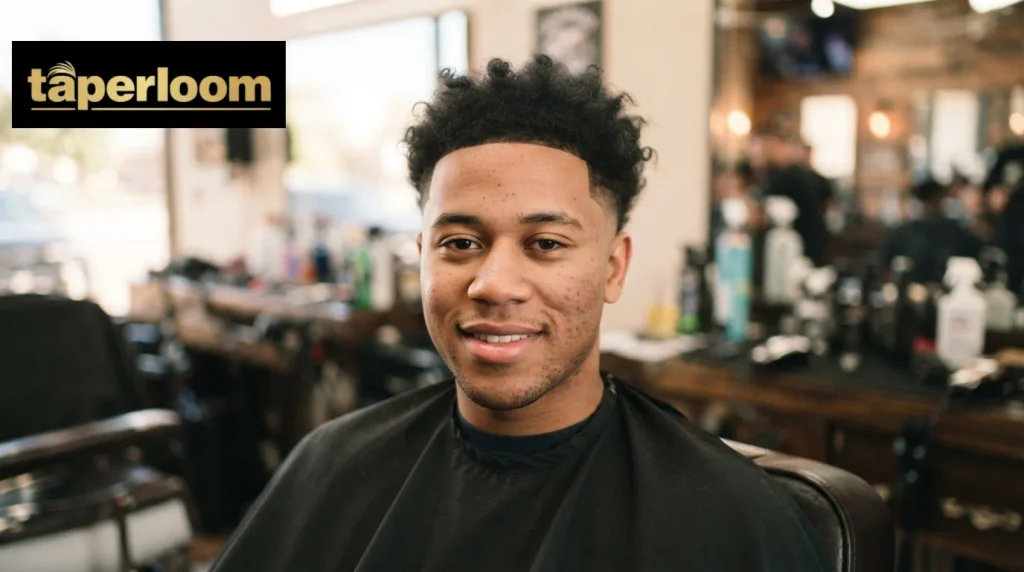
Your hairline stays crisp and well defined, framing your face rather than fighting it. The sides above your ears show the first sign of the fade, while the top holds noticeably more length, creating instant contrast.
This framing effect is what sharpens your jawline and brings out your cheekbones without you doing anything extra.
Side Profile
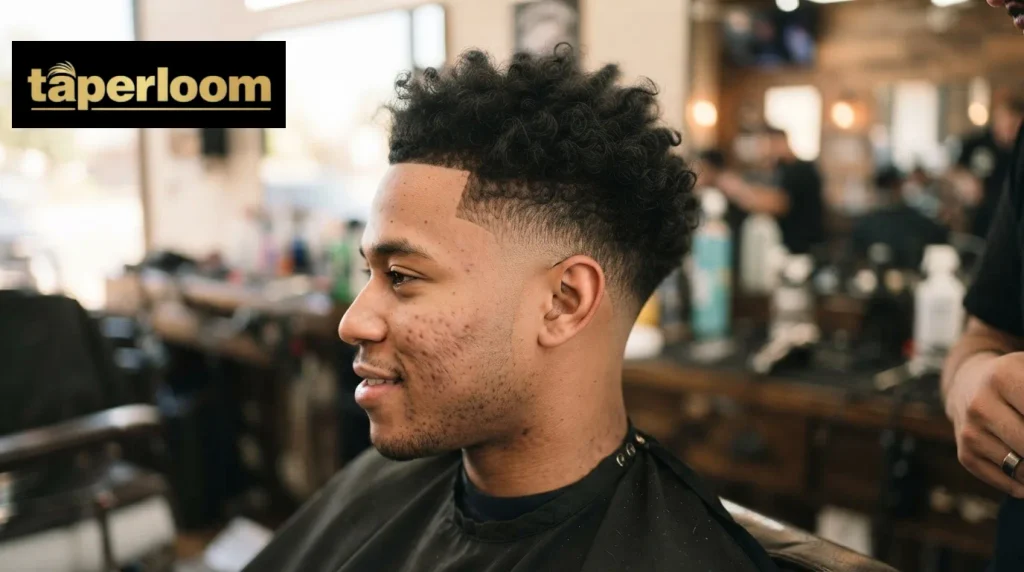
This is where the fade gradient does its real work. Starting around eyebrow level, the hair gets progressively shorter as it moves down toward the ear and neckline, with no harsh lines or visible steps.
Your sideburns blend directly into the taper instead of standing apart as a separate piece. From this angle, you should be able to spot three distinct length zones: long on top, a mid length transition zone, and short near the neckline.
Back View
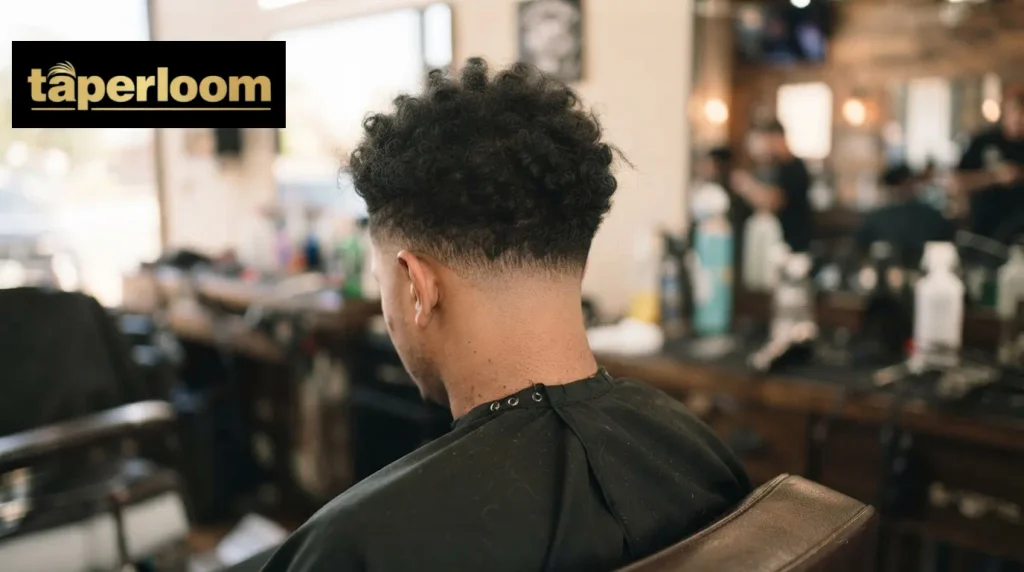
The crown holds onto full length, matching the top. From there, hair shortens gradually as it follows the natural curve of your skull down to the neckline.
A well cut mid taper shows no visible shelf or blunt weight line anywhere, everything tapers smoothly into place. The neckline itself gets finished one of three ways: tapered into the skin, rounded off in a soft curve, or squared with a straight edge.
360 Degree Summary
Picture an invisible line wrapping around your head at eyebrow height. Everything above that line stays long. Everything below it gradually shortens until it meets the neckline. That’s the entire logic of a mid taper in one image.
50+ Best Mid Taper Styles for Men in 2026
A mid taper is really a foundation, not a finished look. What you do with the top is where your personal style comes in. Below are 50+ ways men are wearing this cut right now, grouped by hair type, texture, and vibe, so you can find the one that fits your hair and your life.
Classic & Professional Mid Taper Styles
1. Mid Taper Comb Over
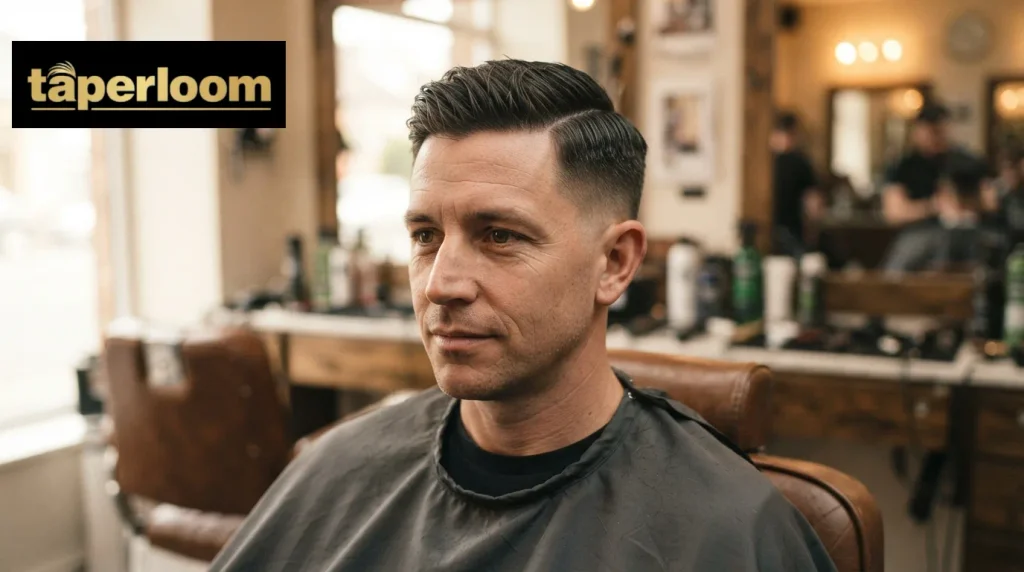
Longer hair on top gets combed to one side over a clean mid taper, giving you a polished, vintage inspired shape with modern precision. It’s one of the most requested cuts for office environments because it looks deliberate without trying too hard.
- Who It Suits: Oval, square, and diamond face shapes with straight to wavy hair of medium density.
- Styling Tip: Work pomade or a light cream through damp hair, blow dry with a round brush toward your part, then set with a light hold spray.
2. Mid Taper Side Part
A sharp, defined part line paired with tapered sides creates a timeless, structured look that moves easily from the boardroom to a dinner reservation.
- Who It Suits: Oval, square, and heart shaped faces with straight or slightly wavy hair.
- Styling Tip: Comb the part in while hair is still damp, blow dry in the direction of the part, then finish with a cream based product for hold without stiffness.
3. Mid Taper French Crop
Short, textured hair on top with a forward fringe meets a clean taper around the ears and neckline. It’s low maintenance, looks intentional even when you haven’t styled it much, and works with almost any face.
- Who It Suits: Oval, square, and oblong face shapes with straight to wavy medium thickness hair.
- Styling Tip: Blow dry the fringe forward, pinch small sections for texture, then set with a matte clay for a natural finish.
4. Mid Taper Textured Crop
Choppy, layered length on top adds movement while the sides stay clean and controlled. This one’s built for guys who want personality without a long styling routine.
- Who It Suits: Every face shape, best with straight or slightly wavy hair.
- Styling Tip: Apply matte clay to damp or dry hair, scrunch lightly for separation, and add texture powder at the roots if you want extra lift.
5. Mid Taper Short Hair
Just an inch or two on top keeps this cut sharp, simple, and nearly maintenance free. It’s the go to choice for guys with active routines who still want a polished result.
- Who It Suits: Every face shape, especially oval, square, and diamond, with any hair type.
- Styling Tip: Use a light cream and finger style while blow drying instead of brushing. Less product looks better here.
6. Mid Taper Buzz Cut
A tight, even buzz on top paired with a crisp taper is about as low effort as a haircut gets while still looking sharp. It highlights bone structure and needs almost no daily attention.
- Who It Suits: Round, square, and oval face shapes with any hair type.
- Styling Tip: Rub a small amount of light cream between your palms and smooth it over the top to control flyaways. No blow drying required.
Voluminous & Lifted Mid Taper Styles
7. Mid Taper Quiff
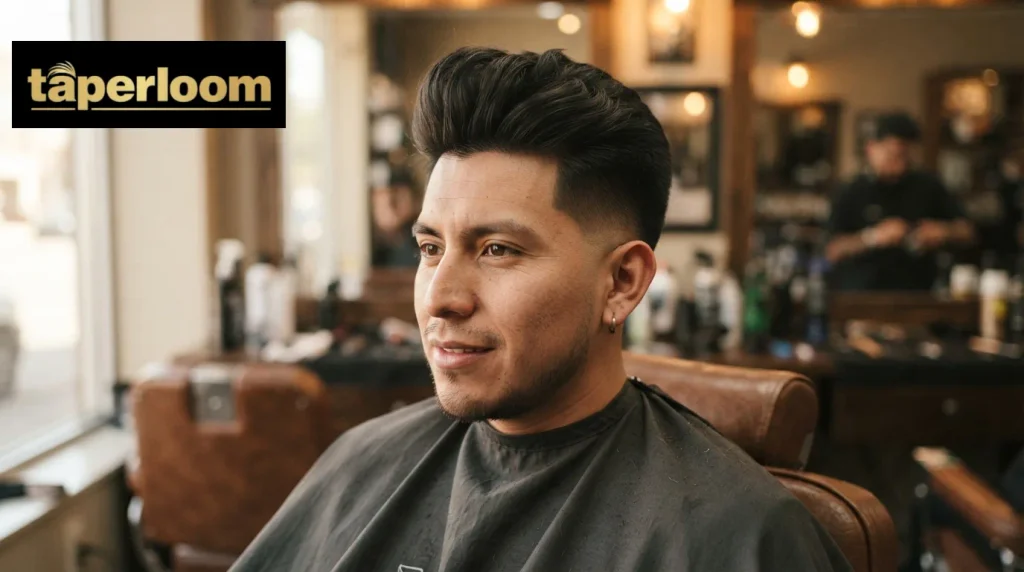
Longer hair up front gets lifted and pushed back for a voluminous, confident shape while the sides stay clean and tapered underneath. It balances classic barbering with a bit of edge.
- Who It Suits: Oval, diamond, and square face shapes with straight to wavy hair of medium to thick density.
- Styling Tip: Apply volumizing mousse to damp hair, blow dry upward with a round brush, then shape backward and lock it in with a flexible molding paste.
8. Mid Taper Pompadour
Bold height and volume on top create real drama against the tapered sides. This is a statement cut for guys who want their hair to do some of the talking.
- Who It Suits: Oval, square, and diamond face shapes with straight to wavy hair.
- Styling Tip: Blow dry upward with a round brush using strong hold pomade, then finish with a light gloss spray for shine.
9. Mid Taper Blowout
Thick, lifted texture on top bursts outward and upward while the sides taper subtly underneath, creating airy volume that reads confident without looking overdone.
- Who It Suits: Oval, round, and square face shapes with naturally thick or dense hair.
- Styling Tip: Apply sea salt spray to damp hair, then use your fingers, not a brush, to lift and separate sections as they dry.
10. Mid Taper Fluffy Hair
Soft, bouncy volume on top with natural flow keeps this look youthful and relaxed while the sides stay neat and controlled. It’s become a favorite among younger guys who want an effortless finish.
- Who It Suits: Round, oval, and diamond face shapes with naturally thick, wavy, or textured hair.
- Styling Tip: Blow dry with a texture boosting cream, lifting at the roots, then shape with your fingers for a messy, natural flow.
Textured & Forward-Styled Mid Taper Styles
11. Mid Taper Fringe
Long, textured hair on top falls forward naturally over a tidy taper, giving off a relaxed, artistic energy without looking unkempt.
- Who It Suits: Oval, heart, and oblong face shapes with wavy or straight hair of medium to thick density.
- Styling Tip: Apply sea salt spray to damp hair, blow dry the fringe forward, then finish with a lightweight cream so it keeps moving naturally through the day.
12. Mid Taper Textured Fringe
A choppier, more layered version of the fringe brings extra movement and volume up top. The taper does the heavy lifting on maintenance while the fringe brings the personality.
- Who It Suits: Every face shape, best with straight to wavy hair.
- Styling Tip: Work texture powder or matte clay through dry hair with your fingers, pulling small sections for separation.
13. Mid Taper Middle Part
Hair splits evenly down the center over neatly tapered sides, giving a balanced, symmetrical shape that’s exploded across social media in the last couple of years.
- Who It Suits: Oval, diamond, and oblong face shapes with straight to wavy medium length hair.
- Styling Tip: Blow dry while setting the part with your fingers from front to back, then apply styling cream for smooth control without grease.
14. Mid Taper Spiky Hair
Short, textured hair gets pulled up into playful spikes on top while the sides stay sharp and tapered underneath, keeping the whole look energetic but still put together.
- Who It Suits: Oval, square, and round face shapes with straight to wavy medium thickness hair.
- Styling Tip: Apply texturizing paste to damp hair, pull small sections up and twist while blow drying, then spritz with sea salt spray to hold them in place.
Curly & Wavy Mid Taper Styles
15. Curly Mid Taper
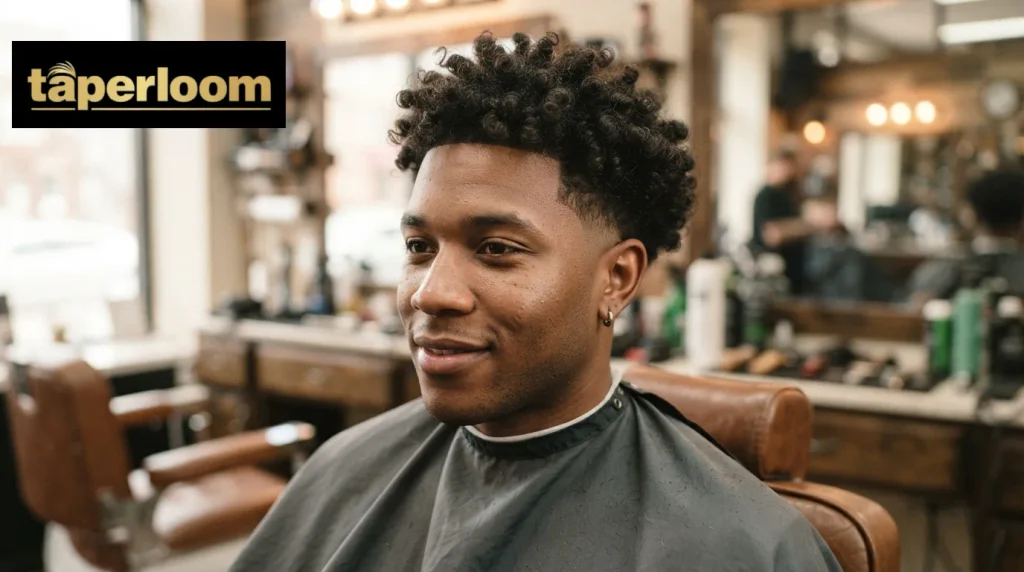
Tight tapering above the ears and neckline removes bulk from the sides while natural curls stay full and bouncy on top. It’s one of the most flattering combinations for curly hair because the taper does what heavy layering can’t, it slims the sides without touching your curl pattern.
- Who It Suits: Round, square, and oval face shapes with naturally curly or textured hair.
- Styling Tip: Apply curl enhancing cream to soaking wet hair, then either air dry or use a diffuser on low heat. Scrunch gently while drying to boost definition.
16. Mid Taper Wavy Hair
Soft, natural waves on top meet sharp, clean taper lines on the sides, blending polish with a relaxed, easygoing texture.
- Who It Suits: Oval, diamond, and oblong face shapes with naturally wavy medium texture hair.
- Styling Tip: Apply a lightweight texture cream to damp hair, then blow dry with your fingers, scrunching as you go to enhance the natural wave.
17. Mid Taper Perm
Soft, permed curls on top add volume and texture to hair that would otherwise sit flat, while the tight taper around the sides keeps everything sharp and structured.
- Who It Suits: Round and oval face shapes with permed or chemically treated hair.
- Styling Tip: Apply curl enhancing cream to damp permed hair, then use a diffuser on low heat to build bounce without adding frizz.
Mid Taper Styles for Coily and Afro-Textured Hair
18. Mid Taper Afro
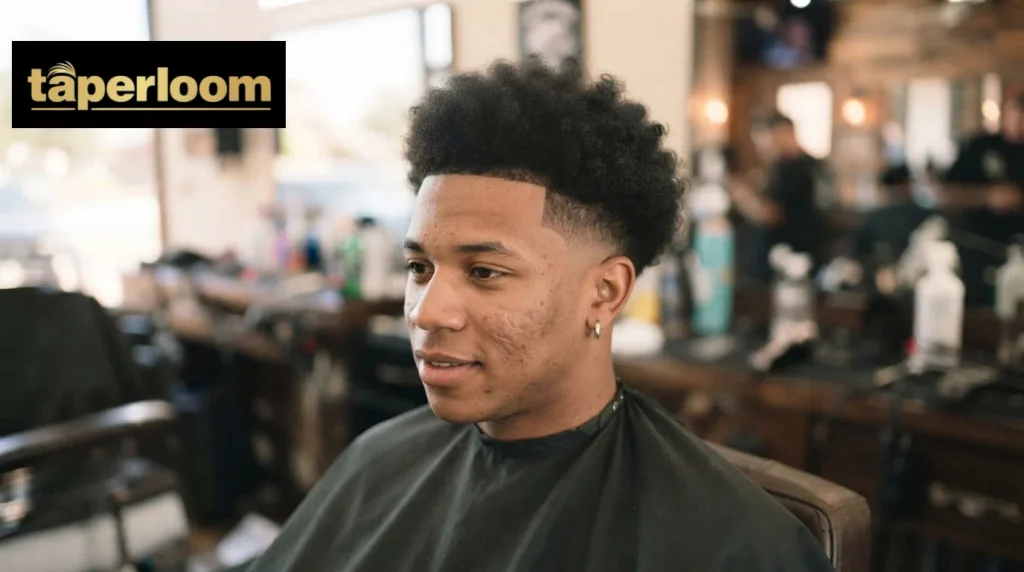
A sharp taper along the sides and neckline creates crisp contrast against a rounded afro up top, cutting down on bulk while keeping the natural shape front and center.
- Who It Suits: Oval and round face shapes with coily, tightly curled, natural texture.
- Styling Tip: Apply leave in conditioner to damp hair to keep it moisturized, then use a pick to lift curls to your preferred volume before adding a light styling cream for definition.
19. Low Afro with Mid Taper
A slightly lower, more understated afro shape sits over a clean mid taper, giving you natural texture with a more conservative profile that reads well in professional settings.
- Who It Suits: Every face shape with coily, tightly curled hair.
- Styling Tip: Use a curl sponge to encourage even curl pattern, then apply a light styling cream for hold and moisture without weighing the top down.
20. Mid Taper with Dreads
Clean, tapered sides create sharp contrast against loose, flowing dreadlocks on top, a combination that’s stayed popular for decades because it just works.
- Who It Suits: Oval, heart, and diamond face shapes with locs or dreadlocks.
- Styling Tip: Keep locs moisturized with a lightweight oil like jojoba or coconut, and book fade touch ups every 2 to 3 weeks even while the top stays the same length.
21. Mid Taper with Box Braids
Traditional box braids on top paired with a crisp mid taper gives this protective style extra sharpness and definition around the edges.
- Who It Suits: Oval, square, and diamond face shapes with coily, natural hair.
- Styling Tip: Apply light oil along the parts between braids to keep the scalp moisturized, and smooth any frizz at the edges with a small amount of edge control.
Slicked & Refined Mid Taper Styles
22. Mid Taper Slick Back
Voluminous hair gets combed smoothly toward the back over clean, tapered sides, bringing a modern edge to a classic, polished shape that never really goes out of style.
- Who It Suits: Oval, square, and heart shaped faces with straight to wavy hair.
- Styling Tip: Blow dry with a round brush directing hair backward while lifting at the roots, apply styling cream for control, then finish with a light shine spray.
23. Mid Taper with Beard
A smooth mid taper blends seamlessly into a full, sculpted beard for a bold, masculine finish. The seamless transition from hair to beard is technically demanding, so it’s worth finding a barber who does both well.
- Who It Suits: Round and oval face shapes, since the combination sharpens the jawline. Works with every hair type.
- Styling Tip: Keep the top relatively low profile so it balances the beard’s volume, and maintain the beard separately with regular trims and a conditioning oil.
Mid Taper for Straight Hair
24. Mid Taper Straight Hair
Straight hair gives you the cleanest, sharpest version of this cut. Because straight strands lay flat naturally, the line between the longer top and the tapered sides reads crisp and intentional from every angle.
- Who It Suits: Oval, heart, and round face shapes with straight, fine to medium hair.
- Styling Tip: Blow dry with a vent brush to shape and add movement, then apply a lightweight cream for shine without weighing the hair down.
Long Hair & Mullet Mid Taper Styles
25. Mid Taper Long Hair
Flowing length and volume on top create striking contrast against sharply tapered sides. This one takes commitment to grow out, but the payoff is a cut that looks structured instead of overgrown.
- Who It Suits: Oval and heart shaped faces with straight to wavy, thick hair.
- Styling Tip: Apply volumizing cream to damp hair, then use your fingers rather than a comb to encourage natural movement and flow.
26. Mid Taper Mullet
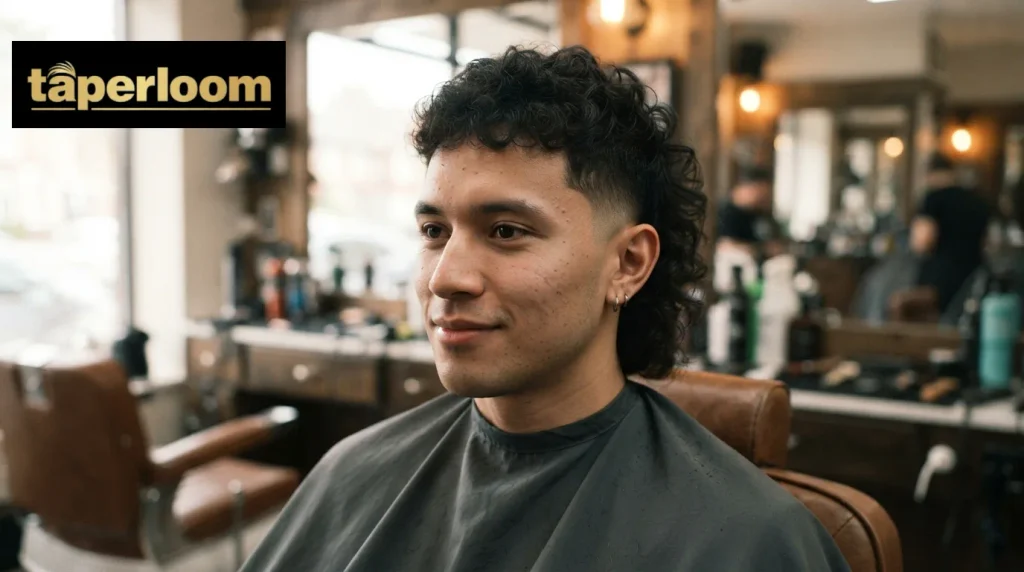
Tapered sides meet a longer top and back for a modern take on a retro classic. The taper keeps it from looking wild while the extra length in the back gives it real personality.
- Who It Suits: Oval, round, and heart shaped faces with wavy, textured hair.
- Styling Tip: Use texture clay to shape the top and separate the layers, aiming for a look that reads intentionally messy rather than overly styled.
27. Mid Taper Man Bun
Long hair pulled into a bun on top sits above a subtle mid taper, giving you a controlled, professional finish that still lets your length show.
- Who It Suits: Oval, square, and diamond face shapes with straight or wavy long hair.
- Styling Tip: Apply smoothing cream before tying the bun to keep flyaways down, and use a snag free tie to protect the hair from breakage.
Edgy & Custom Mid Taper Styles
28. Mid Taper Edgar
A bold, blunt fringe cut straight across the forehead pairs with a clean mid taper and sharp edges along the sides. It’s a distinctive style that reads confident and makes no attempt to blend in.
- Who It Suits: Round and square face shapes with straight, thick hair.
- Styling Tip: Apply lightweight texture cream to damp hair and finger shape the top for volume. The fringe needs to sit blunt and straight, that’s the defining detail of this cut.
29. Mid Taper with Line Design
A custom shaved line or pattern cut into the taper turns a standard cut into something one of a kind. It’s purely a styling detail added by your barber, not a different taper height.
- Who It Suits: Every face shape, most visible on straight or short curly hair.
- Styling Tip: Book touch ups every 2 weeks since designs grow out fast, and pair the design with a matte pomade or clay on top to keep the focus on the linework.
30. Mid Taper Drop Fade
The fade dips lower behind the ear, following your head’s natural curve for extra shape and dimension instead of staying perfectly horizontal.
- Who It Suits: Every face shape with short to medium hair.
- Styling Tip: Keep the top textured with a matte paste, the drop fade itself is a cutting technique, so it needs no special styling on its own.
Blonde & Colored Mid Taper Styles
31. Mid Taper Blonde Hair
A short to medium blonde top with visible texture sits above softly tapered sides, letting the color do most of the work while the cut stays clean underneath.
- Who It Suits: Every face shape with light colored or bleached hair.
- Styling Tip: Blow dry gently to avoid heat damage on color treated strands, then apply texture clay for grip without looking overworked.
Medium & Balanced Mid Taper Styles
32. Medium Mid Taper
A medium length top gives you the freedom to slick it back one day and leave it textured the next, all while the tapered sides stay consistently neat.
- Who It Suits: Every face shape with straight or wavy medium thickness hair.
- Styling Tip: Use a light pomade with a comb for a polished finish, or swap in matte clay and finger style it for a more casual, textured look.
33. Mid Taper Low Cut
A tight taper around the ears and neckline meets a short, slightly tousled top for a natural, athletic look that needs almost no daily upkeep.
- Who It Suits: Oval and square face shapes with every hair type.
- Styling Tip: Apply matte cream to damp hair and blow dry with your fingers only, no brush needed, for soft volume without an overly styled finish.
More Mid Taper Styles Worth Trying
34. Mid Taper Burst Fade
Instead of a straight horizontal blend, the fade radiates around the ear in a semicircle. It pairs especially well with mohawk or faux hawk tops that need extra shape around the sides.
- Who It Suits: Round and oval face shapes with thick or curly hair.
- Styling Tip: Keep the top styled upward with a strong hold paste so the burst pattern stays visible from every angle.
35. Mid Taper Skin Fade
This variation takes the standard mid taper all the way down to bare skin at the bottom, giving you the sharpest, most defined finish available in this fade family.
- Who It Suits: Every face shape with any hair type.
- Styling Tip: Ask specifically for “mid taper, skin fade at the bottom” to avoid any confusion with a softer, shadow finish.
36. Mid Taper Faux Hawk
A raised strip of hair down the center stands out against tapered sides, giving you a bold silhouette without a full mohawk commitment.
- Who It Suits: Oval and square face shapes with straight to wavy hair.
- Styling Tip: Apply strong hold gel to the center strip and comb it upward while blow drying to keep it standing throughout the day.
37. Mid Taper Undercut
The sides get cut noticeably shorter than the top in a single, clean jump rather than a gradual blend, giving you sharp disconnection and a lot of styling flexibility on top.
- Who It Suits: Oval, square, and diamond face shapes with straight to wavy medium to thick hair.
- Styling Tip: Style the top in any direction you like, slicked, textured, or swept, since the undercut underneath does all the structural work.
38. Mid Taper Crew Cut
Short, uniform length on top tapers smoothly into the sides for one of the most practical, wash and go cuts available.
- Who It Suits: Every face shape with straight to wavy hair.
- Styling Tip: A small amount of matte cream is usually all you need, applied to damp hair and finger styled forward.
39. Mid Taper Caesar Cut
Short, horizontally textured hair on top with a subtle forward fringe pairs with clean tapered sides for a low fuss, classic silhouette.
- Who It Suits: Oval and round face shapes with straight to wavy hair.
- Styling Tip: Blow dry the fringe forward and flat, then apply a light matte product to keep texture without shine.
40. Mid Taper Ivy League
A longer, side swept take on the crew cut, with enough length on top to comb and shape while the sides stay tightly tapered underneath.
- Who It Suits: Oval, square, and heart shaped faces with straight hair.
- Styling Tip: Comb through damp hair with a light pomade, directing the top to one side for a neat, structured finish.
41. Mid Taper 360 Waves
Deep, connected waves ripple across the top of the head, framed by a crisp taper along the sides. This one takes daily brushing and a durag or wave cap to maintain the pattern.
- Who It Suits: Every face shape with coily or tightly curled hair.
- Styling Tip: Brush in one consistent direction after applying wave pomade, then cover with a durag while the pattern sets.
42. Mid Taper Sponge Twists
Defined, uniform twists created with a twist sponge sit above a neat mid taper, giving natural texture a structured, intentional shape.
- Who It Suits: Every face shape with curly or coily hair.
- Styling Tip: Use a twist sponge with a lightweight twist cream on damp hair, working in small circular motions for even coils.
43. Mid Taper Twist Out
Twists get taken down after setting to reveal a soft, defined curl pattern on top, contrasted against sharply tapered sides.
- Who It Suits: Every face shape with coily or curly hair.
- Styling Tip: Apply a curl defining cream before twisting, let the twists set fully, then separate gently once dry to avoid frizz.
44. Mid Taper Curtain Fringe
Center parted, face framing pieces fall on either side of a longer top, meeting clean tapered sides for a soft, European inspired look.
- Who It Suits: Oval and heart shaped faces with straight to wavy hair.
- Styling Tip: Blow dry the center part downward and outward on each side, then set with a light cream for natural movement.
45. Mid Taper Wolf Cut
Heavily layered, shaggy length on top meets a tapered base for a textured, low effort cut that leans into natural movement rather than fighting it.
- Who It Suits: Oval, round, and heart shaped faces with wavy or curly hair.
- Styling Tip: Scrunch a texture spray through damp hair and let it air dry for the most natural, undone finish.
46. Mid Taper High Top
Height and volume build straight up from the crown, creating a striking vertical shape above tightly tapered sides.
- Who It Suits: Oval and diamond face shapes with coily or tightly curled hair.
- Styling Tip: Use an afro pick to build height evenly, then set the shape with a light hold cream to avoid a stiff, flat top.
47. Mid Taper Textured Waves
Loose, natural waves get extra definition and separation through texturizing products, paired with a clean taper for a beachy, unforced finish.
- Who It Suits: Oval, diamond, and oblong face shapes with naturally wavy hair.
- Styling Tip: Apply a texture spray to damp hair, scrunch upward, and let it dry naturally without a brush.
48. Mid Taper Undercut Fringe
A disconnected undercut on the sides meets a longer, forward styled fringe on top for sharp contrast and a distinctly modern silhouette.
- Who It Suits: Oval and square face shapes with straight to wavy hair.
- Styling Tip: Blow dry the fringe forward with a light cream, keeping the disconnected line between top and sides crisp with each touch up.
49. Mid Taper Disconnected Top
A visible, deliberate gap sits between the length on top and the tapered sides, rather than a smooth blend, for a bold, structured statement.
- Who It Suits: Oval and square face shapes with any hair type.
- Styling Tip: Keep the top styled with intention, slicked, textured, or swept, since the disconnection is meant to draw the eye.
50. Mid Taper Fade with Beard Line Up
A crisp mid taper pairs with a sharply lined up beard for a fully polished, front to back groomed look that reads confident in any setting.
- Who It Suits: Every face shape, particularly effective on round and square faces for added definition.
- Styling Tip: Book your hair and beard line up together so the transition between the two stays seamless.
Which Face Shape Suits a Mid Taper Best?
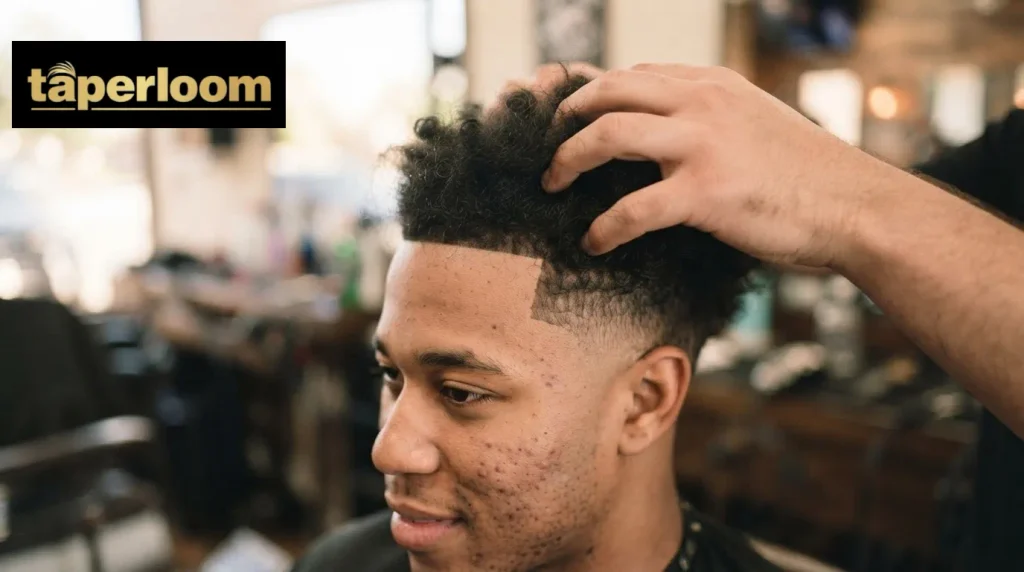
A mid taper flatters almost every face shape because the moderate contrast doesn’t overpower your features. That said, a few small adjustments to the top can make the cut work even harder for your specific facial structure.
Oval Face
Your proportions are already balanced, so you don’t need to correct anything. Any top length or texture will sit well.
- Textured crop
- Quiff
- Side part
- Slick back
- Comb over
Round Face
Fuller cheeks and a softer jawline benefit from added height on top, which elongates the face and adds visual angles.
- Quiff
- Pompadour
- Spiky hair
- Faux hawk
- Blowout
Square Face
A strong jaw and broad forehead already give you defined structure, so a mid taper simply highlights what’s there.
- Side part
- Slick back
- Comb over
- Mid taper with beard
- Textured crop
Heart Shaped Face
A wider forehead and narrower chin benefit from volume directed toward the crown rather than the front, which balances the two halves of your face.
- Quiff
- Pompadour
- Textured fringe
- Side part
- French crop
Diamond Face
Prominent cheekbones need softening rather than sharpening, so movement and texture work better than a rigid, structured shape.
- Textured crop
- Side part
- Fringe
- Comb over
- Middle part
Oblong Face
A longer, narrower structure means you want to avoid extra height on top, which only stretches the face further.
- Textured fringe
- French crop
- Messy crop
- Side part
- Short wavy styles
Triangle Face
A narrower forehead paired with a wider jaw benefits from added volume and width up top to balance the lower half of your face.
- Quiff
- Pompadour
- Blowout
- Textured crop with volume
- Fluffy hair
Mid Taper for Every Hair Type
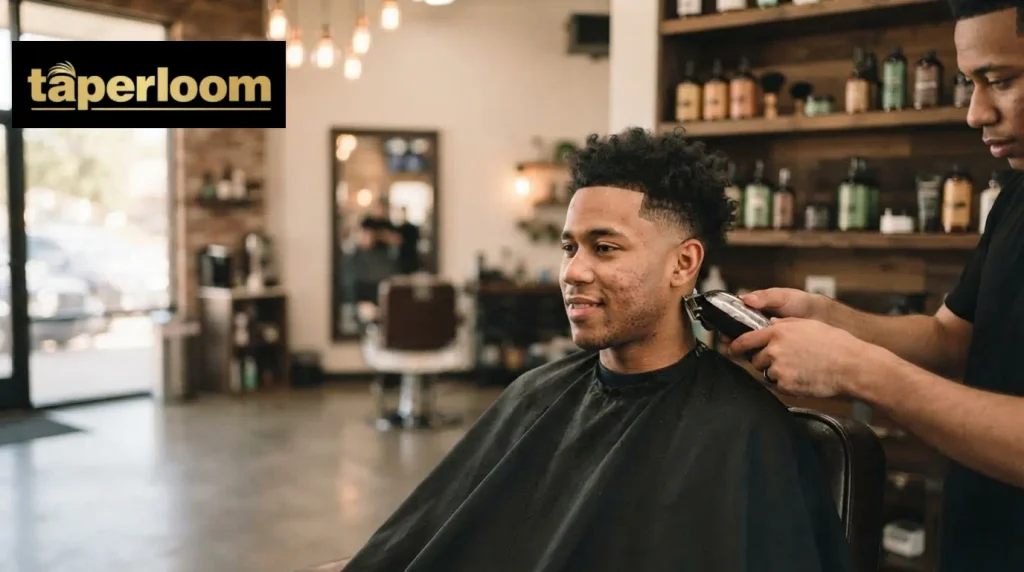
Your hair type changes how a mid taper looks, how fast it grows out, and what products you’ll actually need day to day. Here’s how it plays out across straight, wavy, curly, coily, thick, and fine hair.
Straight Hair
Straight hair gives you the crispest possible line between the tapered sides and the longer top. Because it lays flat naturally, there’s nowhere for the blend to hide, so the cut has to be precise.
What works well: slick back, comb over, side part, French crop, textured crop Products to use: lightweight pomade for shine, matte clay for texture, styling cream for everyday hold
Styling Tip: A little product goes a long way on straight hair. Start with a dime sized amount and build up only if needed.
Wavy Hair
Wavy hair adds movement and dimension without any real effort, which makes it one of the easiest textures to pair with a mid taper.
What works well: messy fringe, textured quiff, curtain fringe, middle part, blowout Products to use: sea salt spray, texture powder, light mousse, styling cream
Styling Tip: Scrunch sea salt spray into damp hair and let it air dry or diffuse on low heat. Don’t fight the natural wave with a flat brush.
Curly Hair
Curly hair pairs especially well with a mid taper because the taper removes bulk from the sides that curls tend to add width to, while the curls up top get to stay full and defined.
What works well: curly top, curly fringe, curly quiff, curly blowout, defined curls Products to use: curl cream, curl enhancing mousse, leave in conditioner, a diffuser attachment
Styling Tip: Apply curl cream to soaking wet hair right after washing, scrunch upward, then leave your curls alone once they’re dry. Touching dry curls is the fastest way to trigger frizz.
Coily and Afro-Textured Hair
Coily hair benefits the most from a mid taper’s higher starting point, since it removes excess width from the sides that can make the whole shape look heavier than intended.
What works well: full afro, low afro, twists, locs, box braids, 360 waves Products to use: twist cream, moisturizing cream, leave in conditioner, natural oils like jojoba or coconut, edge control
Styling Tip: Moisture matters more than anything else here. Apply leave in conditioner daily and seal it with a natural oil to prevent dryness and breakage.
Thick Hair
Thick hair can get bulky fast on the sides, and a mid taper is one of the most effective cuts for controlling that weight without shaving everything down.
What works well: buzz cut, French crop, textured crop, slick back, pompadour Products to use: texture clay, strong hold pomade, matte paste, molding paste
Styling Tip: Use firmer, stronger hold products up top since thick hair needs more control. Start with less than you think you need, thick hair absorbs product fast.
Fine or Thin Hair
Fine hair can look flat without the right cut, but a mid taper actually helps by creating contrast, the short, tight sides make the top look fuller and thicker by comparison.
What works well: quiff, pompadour, textured crop, messy fringe, crew cut Products to use: texture powder, volumizing mousse, lightweight styling cream, sea salt spray
Styling Tip: Texture powder at the roots is your best tool for instant volume. Skip heavy pomades and oils, they flatten fine hair almost immediately.
How Much Does a Mid Taper Haircut Cost?
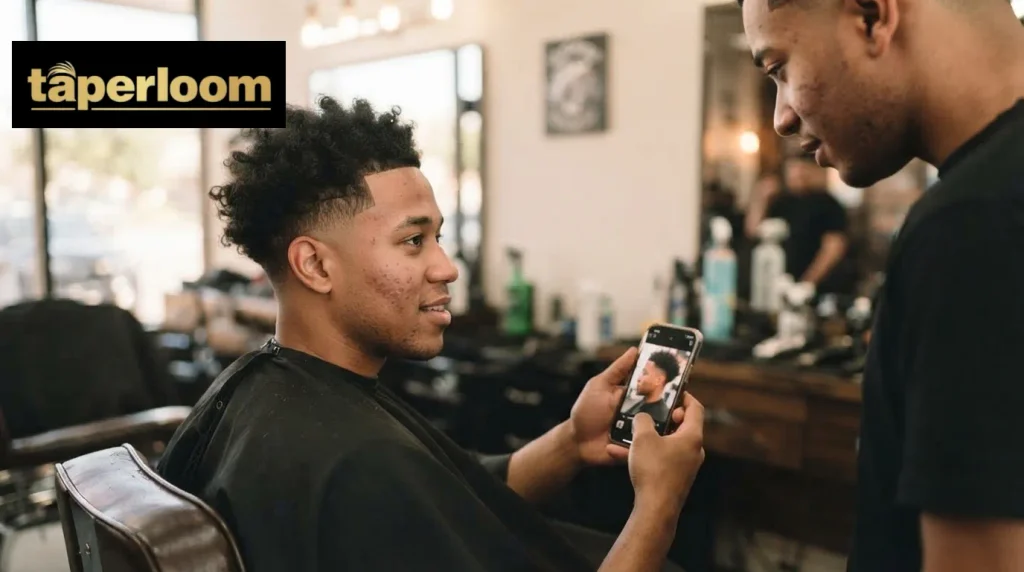
Pricing depends heavily on where you go and how experienced your barber is, but here’s a realistic breakdown so you know what to expect before you sit down.
| Option | Typical Price Range | What You Get |
| Chain barbershop or budget salon | $15 to $30 | A solid, reliable taper, usually a quick appointment |
| Independent local barbershop | $25 to $50 | More precision, often includes a beard line up or hot towel finish |
| Premium or celebrity barber | $50 to $120+ | Detailed consultation, custom shaping, top tier products |
| At home clipper kit | $30 to $80 one time cost | Self maintenance between professional cuts, best for buzz cut style tops |
Most men budget for a touch up every 2 to 3 weeks, which means this is a recurring cost, not a one time expense. If you’re getting professional cuts every 2 to 3 weeks at an independent barbershop, expect to spend somewhere between $50 and $100 a month once tips are factored in.
A clipper kit at home won’t replace a skilled barber for blending and edge work, but it’s a solid way to stretch out the time between professional visits, especially if your top style is short and low maintenance.
Prices shift by city and country, so treat these as general benchmarks rather than fixed numbers. It’s always worth asking your barbershop for their rate card before you book.
7 Common Mistakes Men Make With a Mid Taper
Even a great barber can’t fix vague instructions. These are the mistakes that lead to the most disappointing haircuts, and how to avoid each one.
1. Saying “just a fade” instead of specifying the height
“Fade” alone tells your barber nothing about where to start. Always say “mid taper” and describe the fade height directly, otherwise you might walk out with a low taper or a high taper instead.
2. Bringing only one reference photo
A single front facing photo doesn’t show your barber what the sides or back are supposed to look like. Bring at least three angles, front, side, and back, so there’s no guesswork involved.
3. Not specifying skin exposure
“Mid taper” alone doesn’t tell your barber whether you want it faded to bare skin or left with a bit of shadow. Say exactly which one you want, this single detail changes the entire finish.
4. Waiting too long between touch ups
A mid taper looks sharp for about 2 to 3 weeks. Push past that and the clean line at the sides starts to blur, and the whole cut looks unfinished rather than intentionally grown out.
5. Ignoring your natural growth pattern
Cowlicks, swirls, and growth direction all affect how a top style falls. A good barber will ask about this, but it helps to mention it yourself, especially if you’ve had styling issues with a particular cut before.
6. Overusing heavy products on fine or thin hair
Thick pomades and oils weigh fine hair down fast, flattening the very volume a mid taper is supposed to create. Stick to lightweight creams and texture powders instead.
7. Switching barbers without explaining your usual specs
Every barber blends slightly differently. If you switch shops, describe your usual fade height, guard number if you know it, and neckline preference clearly rather than assuming the new barber will match your old cut exactly.
Growing Out a Mid Taper: What to Expect Week by Week
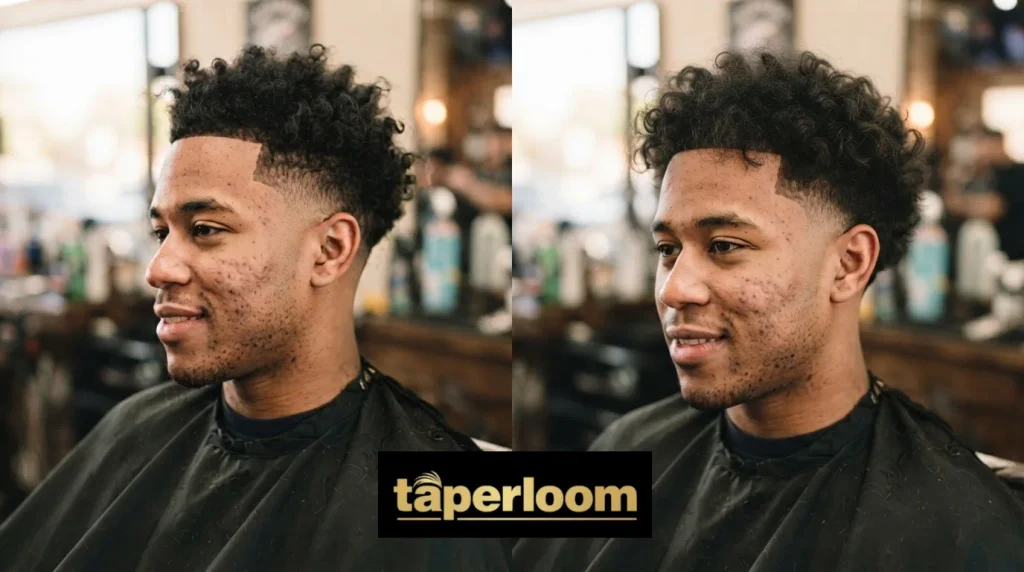
Whether you’re between appointments or deliberately growing your hair longer, here’s how a mid taper transitions over time.
Weeks 1 to 2: Peak Sharpness
Right after a cut, the line between the tapered sides and the top is at its crispest. This is when the contrast reads sharpest and the shape looks most intentional.
Weeks 3 to 4: Softening Edges
The hairline at the sides starts to lose definition, and the fade line begins to blur slightly. Most men book their next touch up right around this point, before the shape gets noticeably fuzzy.
Month 2: The Awkward Transition
If you’re skipping a cut to grow length, this is usually the hardest stretch. The sides start catching up to the top in length, and the clean contrast that defines a mid taper fades out. Leaning on texture products and finger styling can help disguise this phase.
Month 3 and Beyond: Fully Grown Out
By this point, you’ve essentially grown into a different haircut, often a textured crop, curtain fringe, or medium length style, depending on your hair type. From here, you can either keep growing toward a longer cut or ask your barber to reset back into a fresh mid taper.
If You’re Growing It Out on Purpose
Ask your barber to only trim the top while leaving the sides tapered but slightly longer than usual at each visit. This keeps the shape controlled during the transition instead of letting it grow out unevenly.
How to Ask Your Barber for a Mid Taper
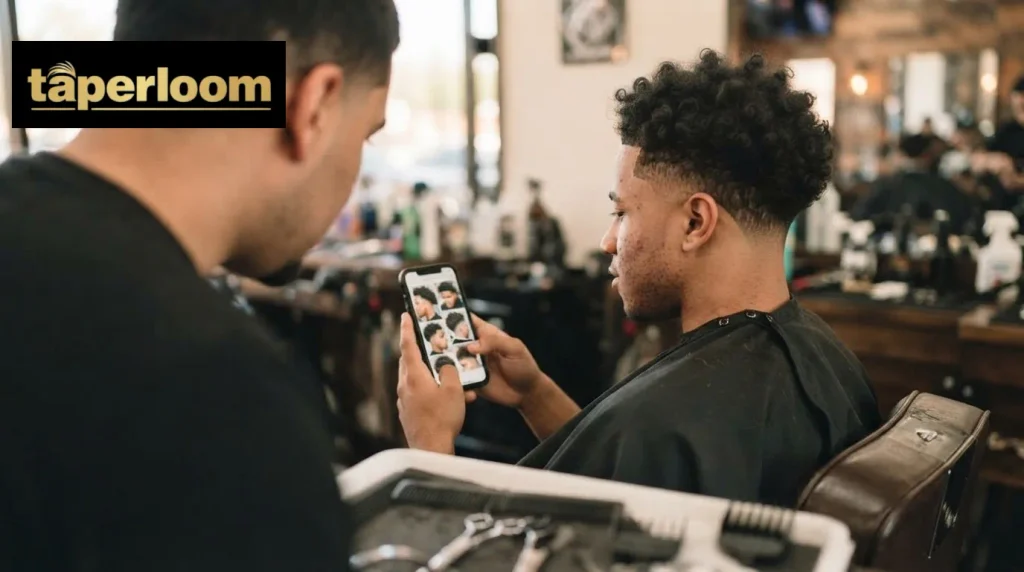
Vague requests lead to disappointing haircuts. A phrase like “clean me up” or “just a fade” leaves way too much room for interpretation. Here’s exactly what to say and show, step by step.
1. Name the cut specifically
Say “mid taper fade,” not just “fade.” The word “mid” tells your barber precisely where the taper needs to start.
2. Bring three reference photos
Show the front, side, and back of the look you want. One angle alone doesn’t give a barber enough information to replicate the full shape.
3. State the fade height clearly
Tell them exactly where the fade should begin, at the sides above your ears, roughly at eyebrow level. This one detail prevents the most common mix ups between low, mid, and high placement.
4. Specify your neckline preference
Choose tapered, rounded, or squared off, and say it out loud. Don’t assume your barber will pick the option you’d prefer.
5. Give an exact top length
Use inches if you can, or reference a specific style by name if you know what you want, quiff, French crop, textured crop, and so on.
6. Clarify skin exposure
Say “fade it to the skin” for a full skin fade, or “leave a bit of shadow” if you want some length remaining at the bottom.
7. Ask for their honest feedback
A good barber will flag anything that won’t work well with your hair type or growth pattern. Listen to that feedback, they see heads all day.
Copy This Script for Your Next Appointment
“I’d like a mid taper fade, starting at the sides above my ears around eyebrow level, blending down through the sides and back into a [tapered / rounded / squared] neckline. Please keep [X inches / describe your desired top style] on top, and [fade it all the way to the skin / leave a bit of shadow at the bottom].”
Fill in the brackets before you sit down, and you’ll walk out with exactly the cut you asked for.
Maintenance and Aftercare Between Visits
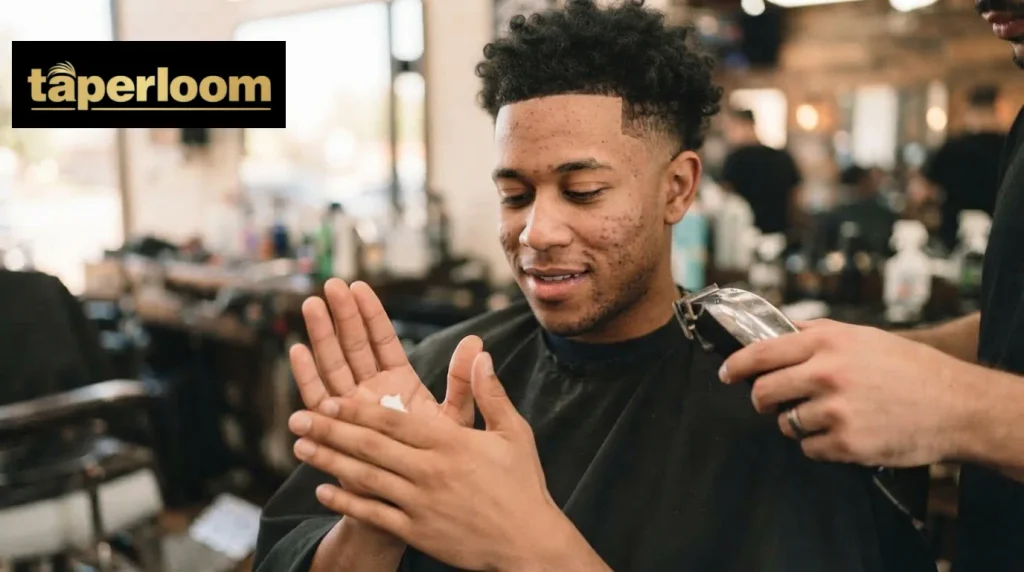
A sharp mid taper doesn’t stay sharp on its own. A little care between appointments keeps the fade looking fresh and your scalp healthy.
Book touch ups every 2 to 3 weeks
This is the single biggest factor in how sharp your cut looks day to day. Waiting longer lets the fade line blur and the shape lose definition.
Moisturize your scalp
Short, tapered sides expose more scalp to sun, dry air, and general friction than longer cuts do. A light hair oil applied two to three times a week keeps things hydrated and prevents flaking, which also keeps the fade looking cleaner between cuts.
Wash with the right frequency for your hair type
Straight and fine hair usually does best washed every other day, while curly and coily hair holds up better with washes spaced further apart, often once or twice a week, to avoid stripping natural moisture.
Use lightweight products day to day
Heavy pomades and waxes build up fast on short sides and can make the fade look greasy rather than sharp. Save the stronger hold products for the top, and keep the sides product free between cuts.
Protect your hairline while sleeping
If you’re growing your top out, a silk or satin pillowcase reduces friction and helps prevent breakage or frizz, especially useful for curly and coily textures.
Don’t skip the beard if you’re growing one out alongside your cut
A sharp mid taper paired with an unkempt beard undercuts the whole look. Keep beard lines maintained on the same schedule as your hair touch ups for a consistently polished finish.
Frequently Asked Questions
What is the difference between a mid taper and a low taper?
A mid taper starts higher, at the sides above your ears, creating moderate contrast. A low taper starts just above the ear, giving a subtler, more conservative look.
What is the difference between a mid taper and a high taper?
A high taper starts much further up the sides, closer to the crown, and creates dramatically more contrast than a mid taper. A mid taper stays balanced and works in more settings.
Is a mid taper the same as a mid fade?
Technically no. A mid taper tapers hair shorter without always reaching bare skin, while a mid fade blends all the way to the skin. Most barbers use the terms interchangeably, so always clarify which one you want.
How do I ask my barber for a mid taper?
Say “mid taper fade,” specify that it should start at the sides above your ears around eyebrow level, and describe your desired top length and neckline style clearly.
Does a mid taper work with curly hair?
Yes. It’s one of the most popular combinations, since the taper removes bulk from the sides while letting your natural curl pattern stay full and defined on top.
Is a mid taper good for a round face?
Yes, especially when paired with a top style that adds height, like a quiff or pompadour. The added height elongates the face and creates better balance.
How long does a mid taper last before it needs a touch up?
About 2 to 3 weeks. After that, the fade line starts to blur and the sides lose their sharp definition.
What products work best for a mid taper?
Matte clay or paste for texture, pomade or cream for shine, curl cream for curly hair, and texture powder for extra volume, depending on your desired finish.
How much does a mid taper haircut typically cost?
Prices range from about $15 at a budget barbershop to $50 or more at an independent shop, and upward of $100 at premium salons, depending on location and barber experience.
Can I maintain a mid taper at home between barber visits?
Partially. A clipper kit can help touch up short, buzzed tops, but the blending on the sides is best left to a professional barber for a clean, even fade.
Is a mid taper appropriate for a professional or corporate setting?
Yes. It’s one of the most versatile fades available, offering enough polish for the office while still looking modern and current.
Does a mid taper suit thinning hair?
Yes. The contrast between the tapered sides and the top can actually make thinning hair on top look fuller by comparison.
What’s the difference between a mid taper and a skin fade?
A skin fade always blends down to bare skin. A mid taper may go to the skin or stop just short of it, depending on your preference.
Can a mid taper work with a beard?
Yes, and it’s a popular combination. A seamless blend from the tapered sides into a full beard creates a bold, masculine finish, especially on round or square faces.
What guard number is used for a mid taper?
It varies by barber and hair thickness, but the blend typically moves through several guard lengths, often starting around a number 3 or 4 near the top of the taper and shortening down from there.
Is a mid taper suitable for straight hair?
Yes. Straight hair actually produces the sharpest, most defined version of this cut since it lays flat and shows the fade line clearly.
Can I grow a mid taper out into a longer style?
Yes. Ask your barber to trim only the top while keeping the sides tapered but slightly longer at each visit, which controls the transition instead of letting it grow out unevenly.
Read Next : Low Taper Fade vs Mid Taper Fade: Which One Should You Get?

Muhammad Kaleem is a content creator who writes about hair care, hairstyles, grooming, and everyday hair trends. He enjoys turning hair-related topics into simple, practical, and easy-to-understand content that helps readers make informed choices about their hair and personal style.